

North India is the part of the country that many travelers imagine before they arrive. It is the India of grand forts, marble palaces, colourful markets, ancient cities, busy streets, royal stories, spiritual rituals and unforgettable landscapes.
In one journey, you can walk through the historic lanes of Delhi, stand before the Taj Mahal in Agra, explore the pink streets of Jaipur, see the blue houses of Jodhpur and watch the sunset over the lakes of Udaipur.
It is a journey full of contrasts. One morning may begin with the sound of temple bells. By afternoon, you may be exploring a Mughal fort. In the evening, you may be sitting on a rooftop with a view of a palace lit by golden lights.
Planning such a trip can feel difficult because North India is large and every destination offers something different. The key is to follow a logical route and avoid trying to visit too many cities in too little time.
This 10-day North India itinerary is designed for first-time visitors who want to experience Delhi, Agra and Rajasthan in a comfortable way. It includes the main sights, practical travel advice, hotel suggestions, food ideas and the benefits of traveling with a private car and driver.
Quick route: Delhi for history and culture, Agra for the Taj Mahal, Jaipur for royal architecture, Jodhpur for the Blue City and Udaipur for lakes, palaces and a peaceful finish.
This itinerary follows a natural route through some of North India’s most popular destinations. It begins in Delhi and moves toward Agra and Rajasthan, reducing unnecessary backtracking.
The journey combines the most important experiences for first-time visitors:
Ten days is enough to experience the highlights, but it is not enough to see every famous destination in North India. This plan deliberately leaves out places such as Jaisalmer, Varanasi and Ranthambore to keep the journey comfortable.
You can add those destinations if you have more time, but doing so within ten days would create longer travel days and fewer opportunities to relax.
The most comfortable period for a North India itinerary is generally from October to March. During these months, Delhi, Agra and Rajasthan usually offer better weather for sightseeing and road travel.
November to February is the busiest travel season. Days are often pleasant, but mornings can be cold or foggy, especially in Delhi and Agra.
October and March can be excellent months because the weather is usually comfortable and the crowds may be slightly lower than during peak winter.
April to June can be very hot, especially in Rajasthan. Travel is still possible, but sightseeing should begin early in the morning and continue later in the afternoon.
July to September brings monsoon rain. Rajasthan generally receives less rain than many other parts of India, but weather and road conditions can still change.
| Season | Weather | Travel Advice |
|---|---|---|
| October to November | Pleasant days and cooler evenings | Excellent for sightseeing and road trips |
| December to February | Cool mornings and pleasant afternoons | Best overall season, book early |
| March to June | Hot and sunny | Start sightseeing early |
| July to September | Rain and humidity | Keep outdoor plans flexible |
| Days | Destination | Main Experiences |
|---|---|---|
| Day 1–2 | Delhi | Old Delhi, India Gate, Qutub Minar and Mughal history |
| Day 3–4 | Agra | Taj Mahal, Agra Fort and Mehtab Bagh |
| Day 5–6 | Jaipur | Amber Fort, City Palace, Hawa Mahal and markets |
| Day 7–8 | Jodhpur | Mehrangarh Fort, blue city and old markets |
| Day 9 | Udaipur | City Palace, Lake Pichola and sunset views |
| Day 10 | Departure | Departure from Udaipur, Jaipur or Delhi |
Delhi is one of the most intense and fascinating cities in India. It is busy, colourful and full of history. For a first-time visitor, the city can feel overwhelming at first, but it also offers a wonderful introduction to India.
After arriving at Indira Gandhi International Airport, meet your private driver and transfer to your hotel. If you arrive after a long international flight, keep the first day simple.
Depending on your arrival time, you may visit India Gate, Connaught Place or a nearby market. If you arrive late, rest and begin sightseeing the following morning.
New Delhi, Aerocity, Connaught Place, South Delhi and Old Delhi offer different experiences. Aerocity is convenient for airport arrivals, while Connaught Place is central and suitable for restaurants and shopping.
South Delhi offers several comfortable hotels near attractions such as Humayun’s Tomb, Lotus Temple and Qutub Minar.
Overnight: Delhi
Begin your sightseeing with Qutub Minar, one of Delhi’s most famous historical monuments. The complex includes the tall minaret, ancient ruins, carved pillars and remains of earlier structures.
Continue to Humayun’s Tomb, a beautiful early Mughal monument surrounded by gardens. Its design influenced later Mughal architecture, including aspects of the Taj Mahal.
After lunch, visit India Gate and drive through the central government area. Depending on access and time, you may see Rashtrapati Bhavan and other important buildings from the outside.
In the afternoon, explore Old Delhi. Jama Masjid, Chandni Chowk and the surrounding lanes show a different side of the capital. The streets are busy, colourful and full of food, spices, textiles and local life.
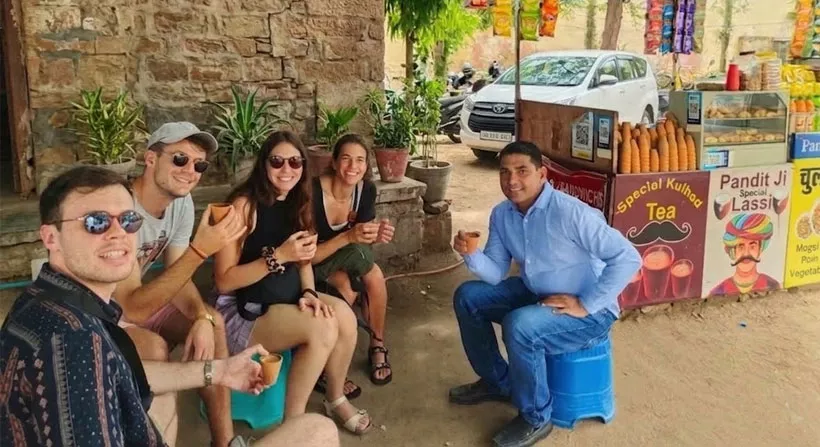
Old Delhi is famous for street food, but visitors should choose clean and busy places. Try local snacks such as paratha, kebabs, jalebi or chaat if you are comfortable with rich and spicy food.
Travelers with sensitive stomachs may prefer a well-reviewed restaurant or hotel meal during the first few days.
Overnight: Delhi
Leave Delhi after breakfast and drive to Agra. The road journey normally takes several hours, depending on traffic and stops.
A private car makes this transfer comfortable because you can leave at your preferred time and stop for tea, coffee or a meal along the way.
After arriving in Agra, check into your hotel. If you arrive early enough, visit Agra Fort in the afternoon.
Agra Fort is a massive red sandstone complex connected with the Mughal emperors. Inside, you will find courtyards, palaces, audience halls, mosques and views toward the Taj Mahal.
The fort is not only an architectural attraction. It helps explain the power and lifestyle of the Mughal rulers who made Agra one of the most important cities in India.
Visit Mehtab Bagh for a view of the Taj Mahal across the Yamuna River. The garden is particularly attractive around sunset.
Overnight: Agra
Wake up early for a sunrise visit to the Taj Mahal. The early morning light is soft, and the atmosphere can feel more peaceful than later in the day.
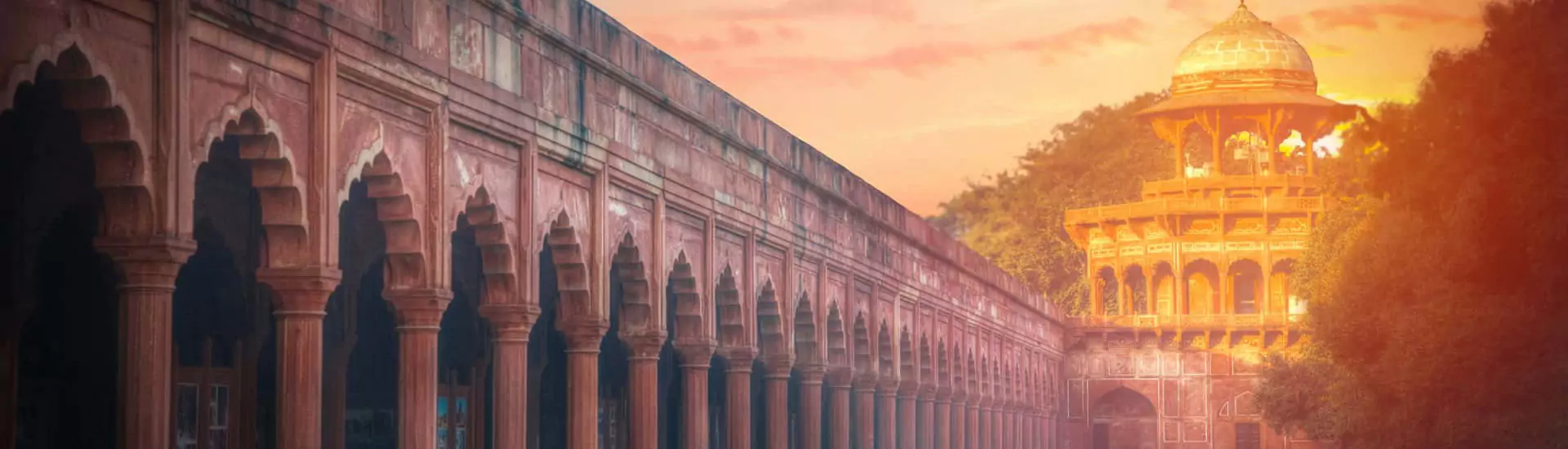
The Taj Mahal was built by Mughal Emperor Shah Jahan in memory of Mumtaz Mahal. The white marble structure, central dome, minarets, gardens and delicate inlay work make it one of the most recognizable monuments in the world.
After visiting the Taj Mahal, return to your hotel for breakfast and check out.
On the way to Jaipur, you can visit Fatehpur Sikri. This historic city was developed by Emperor Akbar and served as an imperial capital for a period.
The complex includes Buland Darwaza, Jama Masjid, Panch Mahal, palaces, courtyards and the tomb of Salim Chishti.
Continue to Jaipur after the visit. The drive can be long, so allow enough time for traffic and sightseeing.
Overnight: Jaipur
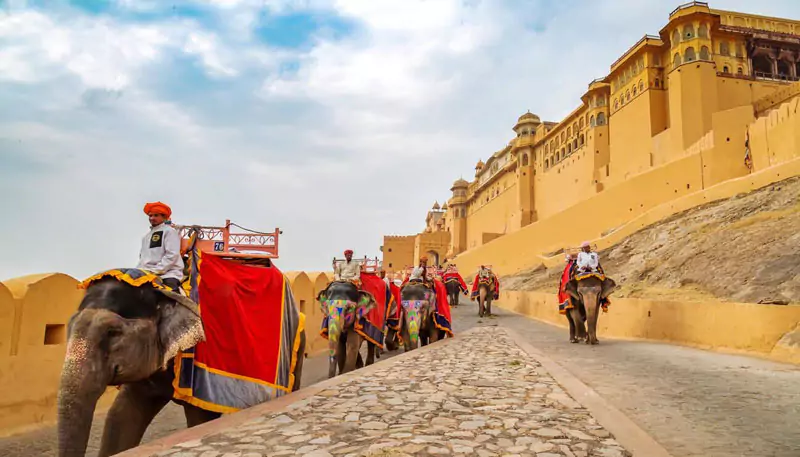
Begin your first full day in Jaipur with Amber Fort, located in the hills outside the city. This is one of the most important attractions in Rajasthan and a highlight of any North India itinerary.
Amber Fort includes courtyards, gateways, gardens, palaces and decorated halls. The Sheesh Mahal, or Mirror Palace, is one of the most famous areas inside the complex.
Arrive early to avoid the strongest heat and the largest crowds. Wear comfortable shoes because the fort includes stairs, slopes and uneven stone paths.
If you are interested in military history, continue to Jaigarh Fort. The fort sits above Amber and is known for its defensive walls, views and historic cannon.
If your group prefers a slower day, spend more time inside Amber Fort and skip Jaigarh.
Stop at Jal Mahal on the way back toward Jaipur. The Water Palace stands in the middle of Man Sagar Lake and is best viewed from the roadside viewpoint.
Overnight: Jaipur
Spend the morning exploring City Palace in the heart of Jaipur’s old city. The complex includes courtyards, royal rooms, museums, decorated gateways and collections connected with Jaipur’s former royal family.
Next, visit Jantar Mantar, the historic astronomical observatory located close to City Palace. The large instruments demonstrate how earlier astronomers measured time and observed the sky.
Visit Hawa Mahal in the afternoon. The Palace of Winds is famous for its pink façade and small windows, which allowed royal women to watch the streets without being seen.
The best-known view is from the street opposite the building. Rooftop cafés nearby offer elevated views, but ask about prices before ordering.
Use the evening to explore Jaipur’s markets. Johari Bazaar is known for jewellery, while Bapu Bazaar offers textiles, traditional shoes, bags and souvenirs.
When buying valuable products, choose reputable shops, compare prices and request a bill.
Overnight: Jaipur
Leave Jaipur after breakfast and drive toward Jodhpur. The landscape changes as you travel west through Rajasthan. The roads pass through dry countryside, villages and open plains.
After arriving in Jodhpur, check into your hotel and rest. If time allows, visit the clock tower market or enjoy a rooftop view of Mehrangarh Fort.
The old city becomes lively in the late afternoon. Walk through the market area, try local snacks and look for spices, textiles, handicrafts and traditional products.
Jodhpur is famous for its blue-painted houses, but the city’s character is also found in its narrow lanes, old doorways and local markets.
Overnight: Jodhpur
Begin the day at Mehrangarh Fort. Its massive walls rise above the city and offer wonderful views over the blue houses below.
Inside the fort, you can see palaces, courtyards, royal rooms, carved balconies, weapons and museum collections. A guide can help you understand the fort’s history and the lives of the rulers who lived there.
After Mehrangarh Fort, visit Jaswant Thada, a peaceful marble memorial surrounded by gardens. It offers a quieter contrast to the larger fort.
Spend the afternoon exploring the old city. You can try Jodhpuri snacks, browse local shops or relax at a rooftop restaurant.
Jodhpur is a good place to try dishes such as mirchi bada, mawa kachori, dal baati churma and local sweets.
Overnight: Jodhpur
Travel from Jodhpur to Udaipur through the Aravalli Hills. This is one of the most scenic road journeys in Rajasthan.
Stop at Ranakpur to visit its beautifully carved Jain temples. The marble pillars and detailed architecture are the main highlights.
Dress respectfully and follow the temple’s photography rules. A local guide can explain the design and religious significance of the complex.
Continue to Udaipur after the visit. The landscape becomes greener as you approach the City of Lakes.
If you arrive before sunset, take a boat ride on Lake Pichola or enjoy a rooftop dinner with views of the water and palace skyline.
Udaipur is a calm and beautiful way to end an active North India journey.
Overnight: Udaipur
Begin your final day at the City Palace, one of Udaipur’s most important attractions. The palace includes courtyards, galleries, balconies, decorated rooms and beautiful views over Lake Pichola.
Continue to Jagdish Temple and walk through the old city lanes. If time allows, visit Saheliyon-ki-Bari or Fateh Sagar Lake.
A morning boat ride offers a peaceful final experience. The lake provides views of City Palace, Jag Mandir, Lake Palace and the surrounding hills.
Depending on your departure plans, you can fly from Udaipur to Delhi, Mumbai or another major Indian city. If you are returning by road, allow enough time for the journey.
Departure: Udaipur or onward destination
North India is full of memorable places, but the distances between them can be long. A private car and driver provide comfort and flexibility throughout the journey.
You travel directly from one hotel to the next without handling luggage through stations or waiting for multiple local transfers.
You can stop at viewpoints, villages, restaurants and attractions along the route. The itinerary can be adjusted according to weather and energy levels.
An experienced driver can recommend safe restaurants, practical routes, good stopping points and realistic travel times.
Families can take breaks when needed, while senior travelers can avoid rushed station transfers and long periods of standing.
A private vehicle becomes especially useful when traveling through Delhi, Agra and several Rajasthan cities. The cost can also be shared between travelers.
Choose Aerocity for airport convenience, Connaught Place for central access or South Delhi for comfortable hotels near major attractions.
Stay near Tajganj for easy access to the Taj Mahal or choose a hotel with a view of the monument. Confirm whether the view is direct or partial.
Bani Park and C-Scheme are comfortable areas with hotels and restaurants. The old city is ideal for heritage atmosphere and easy access to Hawa Mahal and City Palace.
A heritage hotel near the old city provides atmosphere and rooftop views. Modern hotels outside the centre may offer easier parking and larger rooms.
The Lake Pichola area is popular for palace views and romantic dining. Fateh Sagar and the outskirts offer quieter hotels and resorts.
Food is one of the most enjoyable parts of the journey. Each destination offers its own style and flavours.
Choose clean and well-reviewed restaurants, especially during the first few days. Drink bottled or filtered water and ask for mild spices if you are not used to rich food.
Early mornings are cooler and often less crowded. This is especially important for the Taj Mahal, Amber Fort and outdoor attractions in Rajasthan.
Distances may look short on a map, but traffic, road conditions and sightseeing stops can make journeys longer.
Heritage hotels and well-reviewed properties can fill quickly during the winter season and major holidays.
Dress modestly at temples, mosques and religious sites. Ask before photographing people or ceremonies.
Do not plan every hour. A flexible schedule gives you time for unexpected discoveries and rest.
Ten days is enough for a highlights tour covering Delhi, Agra and selected Rajasthan cities. It is not enough to explore every major destination in North India.
A practical route is Delhi, Agra, Jaipur, Jodhpur and Udaipur. It combines Mughal history, royal architecture, forts, markets, desert landscapes and lakes.
Varanasi is a wonderful destination, but adding it to this route may make the journey rushed. It is better to add Varanasi by extending the trip or using a domestic flight.
Yes. A private car is especially useful for the Delhi, Agra and Rajasthan route because it provides direct hotel transfers, flexible stops and local support.
October to March is generally the most comfortable period. November to February is the busiest season, while October and March can offer a good balance between weather and crowds.
Two nights are recommended for first-time visitors. This allows enough time for Amber Fort, City Palace, Hawa Mahal, Jantar Mantar and local markets.
The Taj Mahal is generally closed on Fridays for public viewing. Check official visiting information before confirming your Agra itinerary.
Yes, but families should choose comfortable hotels, private transportation and a schedule with regular breaks. Children may enjoy forts, palaces, markets and cultural shows.
A 10-day journey through North India is an introduction to a country full of history, beauty and contradiction. Delhi shows you the energy of modern India and the depth of its past. Agra brings you face to face with the Taj Mahal, a monument that has inspired travelers for centuries.
Jaipur introduces the colour and confidence of Rajasthan. Jodhpur reveals a city of blue houses and powerful fort walls. Udaipur offers a quieter ending with lakes, palaces and soft evening light.
The route is busy, but it does not need to feel rushed. With an experienced private driver, realistic travel times and carefully chosen hotels, you can enjoy the journey between destinations as much as the attractions themselves.
Leave space for local food, roadside tea, unexpected views and conversations along the way. The most memorable moments may not be the ones written in your itinerary.
They may be the moment you see the Taj Mahal in the early morning light, hear music from a Jaipur courtyard, look across the blue rooftops of Jodhpur or watch Udaipur’s palace lights reflect on Lake Pichola.
Explore Delhi, Agra, Jaipur, Jodhpur and Udaipur with a private car, experienced driver and customized itinerary planned around your travel dates and interests.
South India is known for its temples, beaches, tea plantations, backwaters and historic cities, but its waterfalls are equally unforgettable. During and after the monsoon, the Western Ghats and surrounding forest regions come alive with rushing rivers, green hills and powerful cascades.
Some waterfalls are easy to reach from popular tourist towns, while others require a short trek, a forest permit or a local jeep ride. A few can be visited as part of a comfortable road trip, while others are best suited to travelers who enjoy walking and adventure.
From the wide and dramatic Athirappilly Falls in Kerala to the powerful Jog Falls in Karnataka and the famous Dudhsagar Falls near Goa, South India offers waterfalls for every kind of traveler. You can enjoy them as part of a Kerala holiday, a Karnataka heritage route, a Tamil Nadu road trip or a private car and driver journey through the Western Ghats.
Quick answer: The best waterfalls in South India include Athirappilly Falls, Vazhachal Falls, Jog Falls, Dudhsagar Falls, Hogenakkal Falls, Pykara Falls, Courtallam Falls, Soochipara Falls, Meenmutty Falls and Shivanasamudra Falls.
Waterfalls bring together some of the best parts of South India travel. They are surrounded by forests, mountains, plantations and rural landscapes, so the journey to the waterfall is often as enjoyable as the viewpoint itself.
Many waterfalls are located near popular destinations such as Munnar, Coorg, Wayanad, Ooty, Thekkady and Mysore. This makes it easy to include them in a larger itinerary without spending your entire holiday traveling to remote locations.
Waterfalls also look different throughout the year. During the dry season, the flow may be gentle and the rocks may be easier to explore. During the monsoon, the same waterfall can become wide, powerful and dramatic. The rainy season creates the most impressive views, but it also brings slippery paths, stronger currents and possible access restrictions.
For families and senior travelers, some waterfalls offer safe viewpoints that do not require long walks. Adventure travelers may prefer waterfalls with forest trails, natural pools or guided treks. A private car and driver can help you choose the right access point according to your group’s comfort level.
The best time to see waterfalls in full flow is usually during or just after the monsoon. In much of South India, July to September can bring strong water flow and lush green landscapes.
July and August often offer dramatic waterfall views, but these months may also bring the highest safety risks. Heavy rain can make paths slippery and lead to temporary closures. Flash floods are possible in narrow valleys and forest streams.
Late September and October can provide a good balance between water flow, clearer skies and safer walking conditions. November to February is more comfortable for general sightseeing, but some waterfalls may have less water.
The best season varies by state and waterfall. Kerala’s waterfalls may be strongest during the southwest monsoon, while Tamil Nadu and Karnataka can have different rainfall patterns. Always check local conditions before starting a trek or swimming activity.
| Season | Waterfall Conditions | Travel Advice |
|---|---|---|
| June to September | Strong flow and very green surroundings | Check closures and avoid unsafe water areas |
| Late September to October | Good flow with improving weather | Good for photography and road trips |
| November to February | Comfortable weather, variable water flow | Best for general sightseeing |
| March to May | Lower water flow at some locations | Good for accessible viewpoints and hikes |
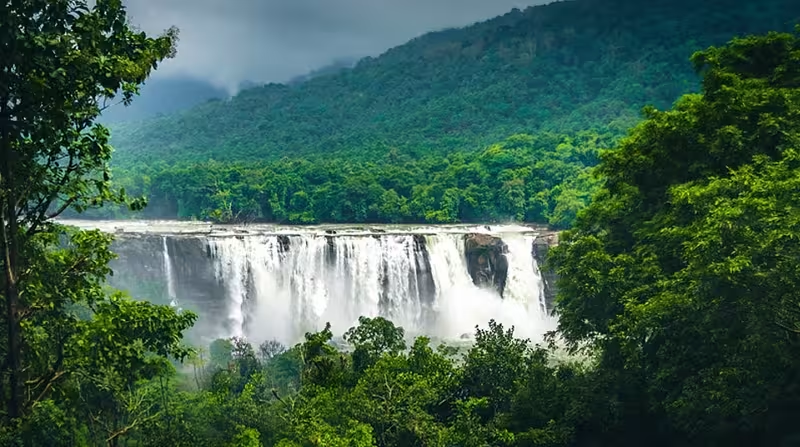
Athirappilly Falls is one of the most famous waterfalls in South India and one of Kerala’s most impressive natural attractions. It is often described as the “Niagara of South India” because of its broad cascade and powerful flow.
The waterfall is surrounded by dense forest and can be viewed from different areas. The main viewpoint provides a wide view of the water falling over the rocky cliff, while lower viewpoints offer a closer perspective when access is permitted.
Athirappilly is not only a waterfall destination. The surrounding landscape includes forests, rivers and smaller cascades such as Vazhachal Falls. The route through the Thrissur district is scenic, especially during the monsoon and immediately afterward.
June to September usually brings strong water flow, but access can be restricted during heavy rain. October and November can offer a good mix of greenery and more manageable weather.
Athirappilly can be reached by road from Kochi, Thrissur or Chalakudy. A private car and driver is one of the most comfortable options because the waterfall is best combined with nearby attractions and rural stops.
Do not cross barriers or attempt to swim near the main falls. Currents become extremely strong during the monsoon, and areas that appear calm can contain hidden currents.
Vazhachal Falls is located near Athirappilly and is often included in the same day trip. Instead of one tall vertical drop, Vazhachal spreads across rocky sections of the river, creating a powerful and natural forest scene.
The surrounding trees and river rocks give the waterfall a different character from Athirappilly. It is a good place to slow down, listen to the sound of water and enjoy the forest atmosphere.
Because the river can become dangerous during heavy rain, visitors should stay within designated areas. Local authorities may restrict access when the water level rises.
Vazhachal is best for travelers who want to combine two waterfalls in one trip, photographers, families who prefer viewpoint-based sightseeing and visitors exploring Kerala by private car.
Jog Falls is one of Karnataka’s most famous waterfalls and one of the most dramatic waterfall viewpoints in South India. During the monsoon, the water plunges down the rocky landscape in separate streams, creating a powerful view.
The waterfall is associated with the Sharavathi River and the surrounding forested hills. Its appearance changes depending on rainfall and water releases in the region.
Jog Falls is best enjoyed from the main viewpoint, especially during the monsoon. Some routes may include steps or steep paths, so comfortable shoes are recommended.
July to September is usually the best time for strong water flow. The waterfall may be less powerful during the dry months, but clearer weather can make the surrounding landscapes easier to explore.
Jog Falls is located away from some of Karnataka’s major tourist cities. A private car with driver can be useful for combining it with nearby hill and heritage destinations.
Dudhsagar Falls is one of the most famous waterfalls in India. Its name means “Sea of Milk,” a reference to the white appearance of the water as it falls through the forested landscape.
The waterfall is located in the Western Ghats and is associated with the Bhagwan Mahavir Wildlife Sanctuary and Mollem National Park region. The railway bridge and surrounding forest create an iconic landscape.
Dudhsagar is more adventurous than many other waterfalls on this list. Access may involve a forest jeep, train route, guided trek or other regulated arrangements depending on the season and local rules.
The monsoon can create the most impressive water flow, but access may be restricted during heavy rain. Late monsoon or the months immediately after can offer a better balance between water flow and accessibility.
Do not attempt to reach Dudhsagar through an unofficial or closed route. Forest roads can become dangerous during heavy rain, and local access rules may change. Use authorized transport or a registered guide.
Dudhsagar is ideal for adventure travelers, photographers, trekkers and visitors who enjoy forest journeys. It may not be the easiest choice for very young children, elderly travelers or anyone uncomfortable with rough transport.
Hogenakkal Falls is located on the Kaveri River and is one of Tamil Nadu’s best-known waterfall destinations. The river flows through rocky formations, creating a dramatic landscape and a series of cascades.
Hogenakkal is sometimes called the “Niagara of India” because of its powerful river scenery. The destination is also known for traditional coracle rides, although these may be restricted during periods of strong current or unsafe water conditions.
The area offers a different experience from the forest waterfalls of Kerala. The landscape is more rugged, and the river plays a central role in local life.
After the monsoon, the river usually has stronger flow. Always check local conditions before booking a coracle ride.
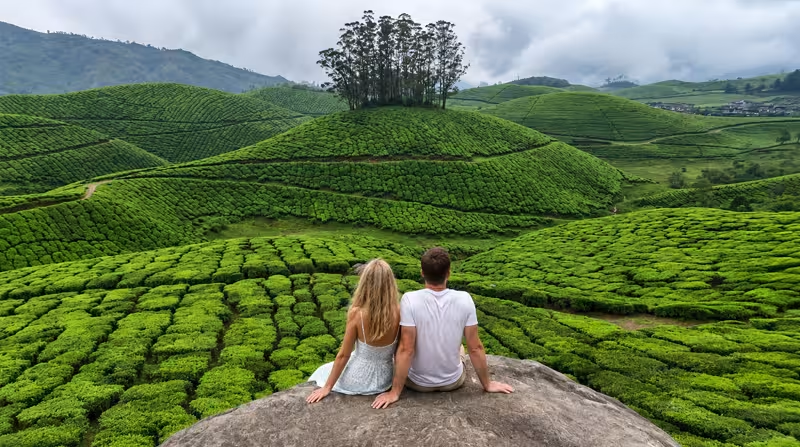
Pykara Falls is located near Ooty in the Nilgiri Hills. The waterfall is surrounded by forested mountains, lakes and winding roads, making it a popular part of an Ooty sightseeing itinerary.
The waterfall itself is attractive, but the journey through the Nilgiris is also part of the experience. The road passes through tea gardens, eucalyptus trees and mountain viewpoints.
Pykara Lake and the surrounding landscape can be included on the same day. Visitors may also enjoy a boat ride at the lake if services are operating.
Pykara is best for families, couples and travelers exploring Ooty. It is easier to access than some remote waterfall treks and can be visited as part of a private car tour.
Ooty weather can change quickly. Carry a light jacket and comfortable shoes, even when traveling during warmer months.
Courtallam, also known as Kutralam, is one of Tamil Nadu’s popular waterfall destinations. The area includes several waterfalls surrounded by hills, forests and traditional bathing areas.
Courtallam is known for its seasonal flow and is often visited by families and local travelers. Some falls have designated bathing areas, but conditions vary according to water level, rainfall and local instructions.
The destination is associated with the Western Ghats and can be included in a southern Tamil Nadu itinerary covering Madurai, Kanyakumari, Tirunelveli or Rameswaram.
The monsoon and post-monsoon periods are generally the most attractive, but access and bathing rules can change. Always follow local safety advice.
Soochipara Falls, also known as Sentinel Rock Waterfalls, is located near Wayanad. The waterfall is surrounded by forest and rocky landscapes, offering a more adventurous experience than a simple roadside viewpoint.
Visitors may need to walk through a forest path to reach the waterfall area. The trail can become slippery during the monsoon, so good footwear is essential.
Soochipara is popular with travelers who enjoy nature walks, photography and short treks. Swimming or approaching the base may be restricted depending on water conditions.
Soochipara is best for active travelers, photographers and visitors exploring Wayanad. It may not be suitable for travelers with mobility difficulties during heavy rain.
Meenmutty Falls is one of the most beautiful waterfalls in Wayanad. It is located in a forested area and usually requires a trek or guided walk, which makes the experience feel more adventurous.
The waterfall is surrounded by dense greenery, rocks and natural streams. The journey through the forest is part of the attraction, but it also requires good physical preparation.
During heavy rain, trails can become slippery and access may be closed. Check with local authorities or your accommodation before planning the visit.
Meenmutty is best for trekkers, nature lovers and travelers who want to go beyond easy-access sightseeing.
Shivanasamudra Falls is located on the Kaveri River and includes two main sections, Gaganachukki and Bharachukki. The waterfall is surrounded by rocky landscapes and greenery, especially after the monsoon.
It is a popular day trip from Bangalore or Mysore. The route can be combined with heritage sites, temples and rural scenery.
The falls can become crowded during weekends and holidays. A weekday visit may provide a more relaxed experience.
Abbey Falls is located near Madikeri in Coorg and is one of the most popular attractions in the region. The waterfall drops through a green forested landscape and can be reached by a short walk from the parking area.
The waterfall is surrounded by coffee and spice plantations, making it an easy addition to a Coorg itinerary. It can become crowded during weekends, but early morning visits are usually more peaceful.
Swimming is not recommended at the falls because rocks may be slippery and the current can change after rain.
Iruppu Falls is located in the Kodagu region and is associated with forest scenery, temples and the Brahmagiri landscape. It is a peaceful destination for visitors exploring Coorg and nearby wildlife areas.
The waterfall is especially attractive during and after the monsoon. Visitors should follow local instructions and remain within permitted zones.
Thusharagiri Falls is located in the Kozhikode district and is known for a series of cascades surrounded by forested hills. The name is associated with water falling like snow or mist.
The region is suitable for short walks, nature experiences and light trekking. During the monsoon, trails can become slippery, so local guidance is recommended.
Travelers who visit Athirappilly can often combine it with Charpa Falls and Vazhachal Falls, depending on current access and road conditions.
This makes the region particularly rewarding for a private car and driver road trip. You can spend the day moving through forest scenery instead of visiting only one viewpoint.
A private car and driver can be especially helpful for waterfall trips because many waterfalls are located outside major cities. You can travel directly from your hotel, stop at scenic viewpoints and avoid coordinating multiple local vehicles.
A practical Kerala route may include Kochi, Athirappilly, Munnar, Thekkady and Wayanad depending on the number of days available.
A Karnataka route can include Bangalore, Mysore, Coorg, Shivanasamudra and Jog Falls, although these destinations are spread across a large area.
A Tamil Nadu route may include Ooty, Pykara, Kodaikanal, Courtallam and Hogenakkal depending on the season and travel direction.
Waterfalls are beautiful, but they can become dangerous very quickly. The most serious risks are slippery rocks, strong currents, flash floods, unstable edges and unofficial trails.
During the monsoon, the rain itself is not always the biggest danger. The real risks are flash floods, slippery rocks, hidden currents and entering routes that local authorities have closed.
Families can enjoy many South India waterfalls, but not every location is suitable for young children. Choose destinations with clear viewpoints, parking facilities and short walking routes.
Athirappilly, Pykara, Abbey Falls and Shivanasamudra can be more manageable for families than remote forest waterfalls requiring long treks.
Keep children away from river edges, wet rocks and pools. Do not let them walk ahead on forest paths without an adult.
Senior travelers can visit waterfalls comfortably when the itinerary focuses on accessible viewpoints. A private car allows you to stop close to the viewing area and avoid unnecessary walking.
Ask about steps, slopes, parking distance and seating before visiting. Avoid difficult trails during or immediately after heavy rain.
Waterfalls can be beautiful romantic destinations, particularly during the early morning when the surroundings are quiet and misty.
Couples can combine waterfall visits with plantation stays, hill resorts, scenic drives and local meals. Munnar, Coorg, Wayanad and Ooty are especially suitable for a romantic nature itinerary.
Do not risk climbing wet rocks for photographs. A safe viewpoint is better than an unsafe close-up picture.
Do not select waterfalls only because they look close on a map. Mountain roads, forest access and weather can make short distances take much longer.
Waterfalls may close during heavy rain, high water levels, forest restrictions or maintenance. Confirm access before leaving your hotel.
Staying near the waterfall or nearby town can reduce travel time. For remote locations, check whether the hotel can arrange a local jeep or guide.
Early visits offer better light, fewer crowds and cooler walking conditions. They also leave time to change the plan if weather changes.
A private driver can help with road navigation, parking, local advice and combining several waterfalls in one day. It is particularly useful for families and groups carrying luggage or camera equipment.
The best waterfall trips are not only about reaching the final viewpoint. Give yourself time to enjoy the road. Stop for local tea, photograph the changing landscape and notice how the scenery changes from villages to forests to hills.
Carry less luggage when possible. A small day bag is easier to manage on wet paths. Keep your main bags safely in the vehicle or at your hotel.
Do not plan too many waterfall visits in one day. One major waterfall and one nearby viewpoint is usually enough. Rushing from one place to another can make the day tiring and reduce the enjoyment.
Athirappilly Falls, Jog Falls and Dudhsagar Falls are among the most famous. The best choice depends on whether you prefer an easy-access viewpoint, a powerful monsoon cascade or an adventurous forest journey.
July to September usually offers strong water flow, while late September and October can provide a good balance between water levels and safer weather. Always check local conditions before visiting.
Yes, if you follow local rules, stay behind barriers, avoid swimming, use proper footwear and do not enter closed trekking routes. Heavy rain can create flash floods and strong currents.
Yes, but families should choose accessible waterfalls with safe viewpoints and avoid slippery edges, deep water and unofficial trails.
Swimming is permitted only at selected locations and only when local authorities allow it. During the monsoon, swimming near major waterfalls is often prohibited and dangerous.
Munnar and the surrounding region include several waterfalls and scenic cascades. The exact availability and access can vary by season, rainfall and local restrictions.
Abbey Falls is one of the most popular waterfalls near Coorg. Iruppu Falls and other seasonal cascades can also be included depending on your route.
Yes. A private car with driver is a convenient option for waterfall tours because many waterfalls are located outside major cities. The driver can help with routes, parking, stops and local access information.
Many roads remain open, but conditions can change quickly. Check weather warnings, avoid night driving in remote areas and follow local authority instructions.
One or two nearby waterfalls are usually enough. Visiting too many distant sites creates a rushed and tiring itinerary.
South India’s waterfalls are more than scenic stops on a travel map. They are places where the landscape feels alive. The air becomes cooler, the forest becomes deeper and the sound of falling water creates a natural rhythm that is difficult to forget.
Athirappilly gives you a grand Kerala experience. Jog Falls and Shivanasamudra reveal Karnataka’s powerful river landscapes. Dudhsagar adds adventure, while Hogenakkal and Courtallam show the natural beauty of Tamil Nadu. Pykara, Abbey Falls, Soochipara and Meenmutty offer quieter experiences among hills and forests.
Plan your trip with respect for the weather and the environment. Visit during the right season, follow local safety rules and never cross barriers for a photograph.
A private car and driver can make a waterfall journey more comfortable because you can travel at your own pace and combine waterfalls with tea plantations, heritage cities, beaches and wildlife destinations.
The most beautiful waterfall trip is not necessarily the one with the most locations. It is the one where you have enough time to enjoy the road, hear the forest, feel the mist and return safely with a memory that stays with you.
Explore South India’s waterfalls, tea plantations, forests and hill towns with a private car, experienced driver and customized itinerary designed around your travel dates.
Rajasthan is one of the most rewarding destinations in India, but it is also one of the hardest to explore without your own transport. The forts sit on hilltops outside city limits. The desert villages are hours from the nearest railway station. The best photography spots require you to arrive at sunrise and leave on your own schedule.
There are journeys that simply take you from one place to another, and then there are journeys that slowly change the way you see a country. A 10-day trip through South India belongs to the second kind.
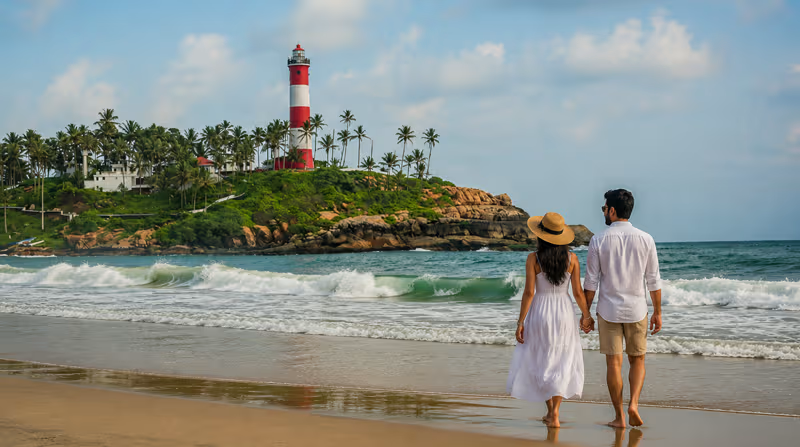
In just ten days, you can walk through the old streets of Kochi, watch mist move across the tea plantations of Munnar, smell fresh cardamom and pepper in Thekkady, float quietly through the backwaters of Alleppey and end your journey beside the sea in Kovalam or Varkala.
South India is not a destination that reveals itself in a hurry. Its beauty is found in small details. It is in the sound of temple bells at sunrise, the first cup of tea overlooking a green valley, the rhythm of a boat moving through a narrow canal and the taste of a freshly prepared Kerala meal.
That is why the way you travel matters. A private car and driver allow you to experience South India at a more comfortable pace. You can stop when a view catches your attention, take a break when the road becomes tiring, visit a small village, try a local restaurant or change the day according to the weather.
This 10-day South India itinerary is designed for first-time visitors, couples, families, senior travelers and anyone who wants to experience Kerala without spending the entire holiday worrying about transport connections.
Quick itinerary: Kochi for history, Munnar for tea plantations, Thekkady for wildlife and spices, Alleppey for the backwaters and Kovalam or Varkala for a relaxed coastal finish.
South India is a large region, and it is impossible to experience every state properly in ten days. You could try to combine Kerala, Tamil Nadu and Karnataka, but the result would involve long transfers, frequent hotel changes and less time to enjoy each destination.
This itinerary focuses mainly on Kerala because it offers exceptional variety within a manageable route. Kerala has a strong tourism network, comfortable hotels, private transportation, heritage experiences, beaches, backwaters, hill stations and wellness options.
The route also has a natural flow. You begin on the coast in Kochi, travel upward into the cooler Western Ghats, continue through forest and spice country, descend toward the backwaters and finish near the sea. Each destination feels different from the last, so the journey never becomes repetitive.
Let our experienced private drivers take you through tea plantations, peaceful backwaters, ancient temples and beautiful coastal towns at your own pace. Share your travel ideas and we will create a comfortable South India itinerary for you.
Quick reply within 24 hours · Experienced drivers · Clean, comfortable AC vehicles
When you contact us, please include:
We will turn your ideas into a detailed private car and driver itinerary with realistic travel times, comfortable hotel stops and flexible sightseeing.
| Days | Destination | Main Experience |
|---|---|---|
| Day 1–2 | Kochi | Fort Kochi, colonial history, Chinese fishing nets and local food |
| Day 3–4 | Munnar | Tea gardens, waterfalls, viewpoints and mountain air |
| Day 5–6 | Thekkady | Spice plantations, Periyar and cultural experiences |
| Day 7–8 | Alleppey | Backwaters, houseboat and village life |
| Day 9 | Kovalam or Varkala | Beach, wellness and relaxation |
| Day 10 | Departure | Airport transfer or onward journey |
The best time for this 10-day South India itinerary is generally between October and March. During this period, the weather is usually more comfortable for sightseeing, road travel, backwater cruises and beach stays.
November to February is the most popular season for international visitors. Days are often pleasant, evenings can be cool in Munnar and the backwaters are usually suitable for travel. Because this is also the busiest period, hotels, houseboats and private vehicles should be booked early.
March to May can be warm, especially in Kochi, Alleppey and the coastal areas. Munnar and other hill destinations remain more comfortable, but outdoor sightseeing should be planned for the morning and late afternoon.
June to September is the monsoon season in Kerala. The landscape becomes intensely green and the rain can create a beautiful atmosphere, but road transfers and outdoor activities may be affected. If you travel during the monsoon, keep your schedule flexible and carry waterproof clothing.
| Season | Advantages | Things to Consider |
|---|---|---|
| October to November | Fresh greenery and pleasant travel conditions | Some showers may continue |
| December to February | Best overall sightseeing weather | Peak-season prices and crowds |
| March to May | Good for hill stations and lower-season deals | Hot afternoons in the plains |
| June to September | Green scenery and wellness travel | Heavy rain and flexible activity schedules |
Your South India journey begins in Kochi, one of Kerala’s most historic coastal cities. The city is also known as Cochin and has long been shaped by trade, migration and contact with different cultures.
After arriving at Cochin International Airport, meet your private driver and transfer to your hotel. The airport is located outside the main tourist areas, so the transfer to Fort Kochi may take time depending on traffic.
If you arrive during the day, spend your first afternoon or evening in Fort Kochi. Walk through the old streets, see the Chinese fishing nets and take in the relaxed atmosphere of the waterfront.
Do not try to complete a full sightseeing schedule on arrival day. Your body may need time to adjust to the climate, traffic and time difference. A gentle walk and a quiet dinner are often the best way to begin.
Fort Kochi is a good place for your first Kerala meal. Try appam with stew, Kerala fish curry, vegetable thali, Malabar parotta or a simple dosa dinner.
You can also enjoy a café, visit a small art gallery or sit near the waterfront as the fishing nets become silhouettes against the evening sky.
Overnight: Kochi
Spend your second day discovering Kochi’s history. Begin with St. Francis Church, one of the oldest European churches in India. Continue to Santa Cruz Basilica and explore the surrounding heritage streets.
Later, visit Mattancherry and Jew Town. The area is known for its old spice trade, antique shops, traditional buildings and cultural history. Mattancherry Palace, also known as the Dutch Palace, contains murals and exhibits connected with Kerala’s royal past.
Walking through Jew Town is a pleasant experience, but take your time. The most interesting details are often in the doors, balconies, courtyards and small shops rather than only in the main attractions.
In the evening, attend a Kathakali performance or another traditional cultural program. Some performances include an introduction to the makeup and preparation before the main show.
If you prefer a quiet evening, ask your driver to take you to a seafood restaurant or a peaceful waterfront dining location.
Overnight: Kochi
Leave Kochi after breakfast and begin the drive toward Munnar. This is the day when the landscape starts to change dramatically.
The coastal plains gradually give way to green countryside, rivers, waterfalls and winding roads. As the road climbs toward the Western Ghats, tea plantations begin to appear across the hills.
The drive usually takes several hours, depending on traffic, weather and stops. Your private driver can suggest safe places for tea, lunch and photographs along the route.
Do not schedule too many activities after arrival. Check in to your hotel, enjoy the cool air and spend the evening looking over the plantations if your property has a mountain view.
The journey from Kochi to Munnar is scenic, but the mountain roads can be winding. A private car allows you to stop when required and travel directly from your hotel in Kochi to your property in Munnar.
Families can take breaks for children, senior travelers can rest comfortably and photographers can stop at viewpoints without depending on a fixed bus schedule.
Overnight: Munnar
Wake up to the cool air and green scenery of Munnar. The day is dedicated to tea plantations, mountain viewpoints and nature.
Start with a tea plantation visit. A tea museum or working tea estate can explain how tea leaves are grown, collected, processed and prepared. You may also have an opportunity to taste local tea.
Continue to Mattupetty Dam and Echo Point if the route and weather allow. Kundala Lake is another popular stop, with boating and attractive mountain views.
Eravikulam National Park may also be included, depending on current access arrangements. The park is known for its mountain landscape and the Nilgiri tahr. Wildlife sightings are never guaranteed, but the scenery makes the visit worthwhile.
Munnar is not a destination that should be rushed. You do not have to visit every viewpoint in one day. Leave time for a quiet tea, a short plantation walk or an evening at your hotel.
One of the best things about Munnar is the feeling of space. After the noise of Kochi, the hills offer a slower rhythm and a chance to breathe.
Overnight: Munnar
After breakfast, travel from Munnar to Thekkady. The road passes through forested hills, plantations and rural landscapes.
Thekkady is located in the Periyar region and is known for forests, wildlife and spices. The journey from Munnar is not only a transfer. It is an opportunity to see how Kerala’s landscape changes from tea country to spice country.
After checking into your accommodation, visit a spice plantation if time allows. Cardamom, pepper, cinnamon, cloves and other spices are grown in the region.
A plantation guide can explain how these crops are cultivated and how they are used in traditional cooking and wellness practices.
You may choose to attend a Kalaripayattu performance, a traditional martial arts show or a local cultural program. These activities provide a colourful introduction to Kerala’s performing traditions.
Keep the evening relaxed. The next day can include an early wildlife activity.
Overnight: Thekkady
Thekkady offers several ways to experience the forest and wildlife region. Depending on availability, you may choose a boat cruise, guided nature walk, bamboo activity or officially managed wildlife program.
A boat ride can provide views of the forested shoreline and the possibility of seeing elephants, deer, wild boar or birds. Wildlife sightings are never guaranteed, so enjoy the experience for the forest atmosphere rather than expecting a particular animal.
Travelers who prefer an active experience can join a guided nature walk. Wear comfortable shoes, use insect protection and follow the guide’s instructions.
After the wildlife activity, return to your hotel for lunch and rest. Later, you can visit a spice garden, enjoy an Ayurvedic massage or explore the local market.
If you choose an Ayurvedic treatment, use a reputable centre and inform the therapist about any health conditions or allergies. Traditional wellness can be a lovely addition to the journey, but it should not replace medical care.
Overnight: Thekkady
Leave Thekkady and travel down toward Alleppey. This is another scenic journey where the landscape changes from hills and forests to coconut palms, canals and paddy fields.
Alleppey is famous for its backwaters, a network of lakes, canals and waterways connected to village communities and agricultural areas.
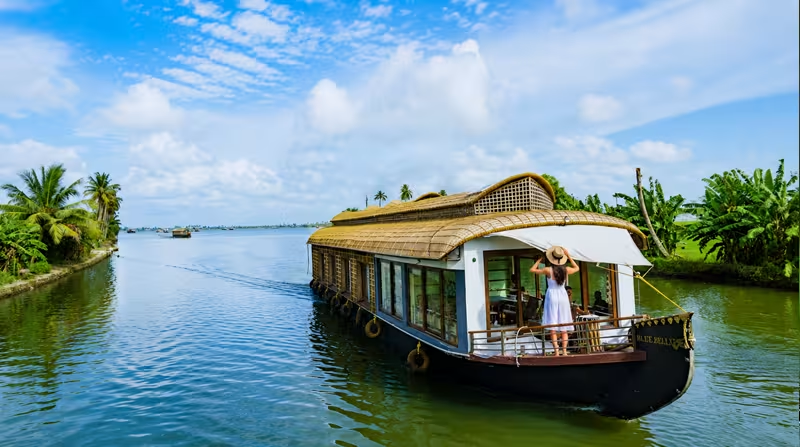
Board your houseboat in the afternoon if you have booked an overnight cruise. The boat will move through wide waterways and smaller canals, passing homes, churches, temples, fishermen and green fields.
A typical houseboat experience includes a private bedroom, bathroom, meals prepared on board and a crew. Facilities vary, so check the boat category before booking.
Some boats are simple and traditional, while others offer larger rooms, better interiors, private dining and longer routes. Choose according to your budget and comfort level.
Spend the evening on the deck. Watch the light soften over the water and enjoy a fresh Kerala dinner prepared by the crew.
Overnight: Alleppey houseboat
Wake up on the backwaters and enjoy the quiet morning. The early hours are often the most peaceful time on the lake, before local boats and village activity become more visible.
After disembarking, you can stay at a backwater resort or continue toward a nearby village. A canoe ride through narrow canals offers a different experience from a large houseboat.
On a canoe, you may pass closer to homes, gardens, small bridges and local activities. The experience feels intimate and slow.
Not every traveler wants to stay overnight on a boat. Some prefer a backwater resort with larger rooms, a swimming pool and easier access to restaurants.
You can also book a daytime cruise and spend the night at a hotel. This may be more suitable for senior travelers, families with young children or anyone who prefers a larger room.
Overnight: Alleppey or Kumarakom
On Day 9, travel to the coast. You can choose Kovalam or Varkala depending on your interests and departure plans.
Kovalam is a developed beach destination with resorts, restaurants, Ayurveda centres and several beaches. It is practical for travelers who plan to fly from Thiruvananthapuram.
Varkala is known for its dramatic cliff, cafés, yoga centres and relaxed atmosphere. It is a good choice for travelers who prefer a more independent and bohemian coastal experience.
Check into your hotel and keep the afternoon relaxed. Walk along the beach, enjoy a fresh seafood meal or book a wellness treatment.
Do not plan too many activities on your final full day. One of the pleasures of a South India journey is having time to sit quietly and remember the places you have seen.
Overnight: Kovalam or Varkala
Depending on your departure airport, transfer to Thiruvananthapuram or Kochi. If you are flying from Thiruvananthapuram, Kovalam is especially convenient.
If your flight is in the evening, you may have time for breakfast, a short beach walk or a final visit to a nearby attraction. Do not schedule a long road transfer close to your flight departure time.
If you want to continue your India trip, you can connect to Chennai, Bangalore, Mumbai, Delhi or another destination by domestic flight.
South India is a region where private transportation can improve the entire experience. The destinations are connected by roads, but the journeys often include hills, traffic, villages and stops that are difficult to manage through public transport alone.
A private car provides door-to-door travel from one hotel to the next. You do not need to carry luggage between bus stations, railway platforms and local taxis.
You can stop for tea, lunch, photographs, viewpoints or a short walk. A fixed bus or train schedule does not allow the same flexibility.
An experienced driver can suggest practical routes, clean restaurants, safe stops and scenic places that may not appear in a standard itinerary.
Families can take breaks according to the children’s needs. Senior travelers can rest during long journeys, and everyone can travel in one vehicle.
Munnar and other hill destinations involve winding roads. A local driver familiar with the route can make the journey more comfortable.
For couples, families or small groups, the cost of a private car can be shared. This may offer better value than buying multiple tickets and arranging separate transfers in every city.
The right vehicle depends on the number of travelers, luggage and comfort expectations.
Tell your tour provider how many suitcases you carry. A vehicle that fits passengers but has limited luggage space may create discomfort during a multi-day journey.
Stay in Fort Kochi if you want heritage streets, cafés and easy access to the main historical attractions. Modern hotels near the airport or mainland can be more practical for late arrivals or early departures.
Choose between a hotel in town, a plantation homestay or a tea estate resort. Properties outside the town may offer better views but require longer transfers for sightseeing.
Plantation resorts and forest-style properties are popular. Confirm the distance from the main activity area and the availability of transport for early morning programs.
You can choose an overnight houseboat, backwater resort, boutique property or village homestay. Read recent reviews carefully for houseboat quality.
Kovalam is more resort-oriented, while Varkala offers cliffside cafés and a relaxed independent-traveler atmosphere.
Food is one of the most enjoyable parts of this itinerary. Kerala cuisine uses coconut, curry leaves, pepper, cardamom and other spices.
In Munnar and Thekkady, try local tea, cardamom tea, spice-based dishes and fresh plantation products.
Travelers with sensitive stomachs should begin with mild meals, choose clean restaurants and drink bottled or filtered water.
The total cost depends on hotel category, vehicle type, season and activities. A budget journey can use simple hotels and public transport, while a mid-range route may include a private car, comfortable hotels and a deluxe houseboat.
| Travel Style | Approx. Cost Per Person | Typical Inclusions |
|---|---|---|
| Budget | ₹25,000–₹40,000 | Simple stays, local food and public transport |
| Mid-range | ₹45,000–₹75,000 | Comfortable hotels, private car and selected activities |
| Luxury | ₹80,000–₹1,50,000+ | Luxury hotels, premium vehicle and private experiences |
These figures are approximate ground costs and exclude international flights. Peak-season hotels, luxury houseboats and special activities may increase the final price.
Ten days may sound like a long time, but South India travel includes several road journeys. Leave space for traffic, weather, meals and rest.
Alleppey houseboats are popular during the winter season. Check the boat’s facilities, route, meals, bedroom and air-conditioning schedule before payment.
Early morning is usually more comfortable for outdoor sightseeing. It can also help you avoid some city traffic.
A flexible afternoon allows you to rest or change the plan if rain or fatigue affects the day.
Distances in the hills can be misleading. A short distance may require several hours because of winding roads and traffic.
Use trusted hotels, guides, activity operators and private car companies. Confirm the quotation and inclusions in writing.
Replace one night in Thekkady with an additional night in Varkala or Marari. This gives you more time for the coast and wellness activities.
Keep two nights in Thekkady and include an official Periyar activity or nature walk. Wildlife sightings cannot be guaranteed, but the forest experience remains worthwhile.
Choose a heritage hotel in Kochi, a tea estate resort in Munnar, a jungle lodge in Thekkady, a premium houseboat in Alleppey and a beach resort in Kovalam.
Reduce the number of activities, choose hotels with easy access and allow more rest between long transfers.
Choose accommodation with larger rooms, swimming pools or open space. Carry snacks and plan shorter sightseeing sessions.
Ten days is enough to explore one main region properly. Kerala is one of the best choices because it combines history, tea plantations, wildlife, backwaters and beaches within a practical route.
A balanced route is Kochi, Munnar, Thekkady, Alleppey and Kovalam or Varkala. This itinerary provides a mix of culture, nature, wildlife, backwaters and relaxation.
Choose Kerala for backwaters, hills and beaches. Choose Tamil Nadu for temples and architecture. Choose Karnataka for palaces, coffee plantations and Hampi. Trying to cover all three states in ten days may feel rushed.
Yes, especially for families, couples, groups and travelers visiting hill stations or several destinations. A private car provides door-to-door travel, flexible stops and local route support.
Two nights are a good minimum. Three nights are better for travelers who want tea plantation walks, nature activities and a slower mountain stay.
Yes. An overnight houseboat is one of Kerala’s most memorable experiences. Choose the boat according to your preferred comfort level and confirm all facilities before booking.
October to March is generally the most comfortable period. November to February is the busiest season, so book early.
Yes, but the schedule should include regular breaks, comfortable hotels and private transportation. You may want to reduce the number of activities in Munnar and Thekkady.
Yes. You can add Varkala, Kovalam, Kumarakom, Kanyakumari, Madurai, Pondicherry or Mysore depending on your interests and departure city.
A sedan is suitable for couples or small groups. An SUV offers more space for families and luggage. Larger groups may prefer a Tempo Traveller or Urbania.
A 10-day journey through South India is long enough to create meaningful memories, but short enough to remain focused and comfortable. You begin with the history and coastal atmosphere of Kochi, move into the peaceful tea country of Munnar, discover the spices and forests of Thekkady, slow down on the backwaters of Alleppey and finish beside the sea.
The route works because every destination offers something different. Kochi connects you with history. Munnar gives you fresh air and wide views. Thekkady introduces you to forests and spices. Alleppey shows you a slower way of life, and Kovalam or Varkala gives you time to rest.
Traveling with a private car and driver makes the journey more flexible and comfortable. You can stop for photographs, choose your own meal breaks, adjust sightseeing according to the weather and travel directly between hotels.
The most important thing is not to treat South India as a checklist. Leave space for the moments you did not plan. A roadside tea, a conversation with a plantation worker, a quiet boat ride or a sunset beside the sea may become the memory you carry home.
Explore Kochi, Munnar, Thekkady, Alleppey and Kerala’s coast with a private car, experienced driver and customized itinerary designed around your travel dates and interests.
South India is one of the most diverse travel regions in India. Kerala offers peaceful backwaters, tea plantations and beaches. Tamil Nadu is known for ancient temples, coastal heritage and traditional cuisine. Karnataka combines royal palaces, coffee plantations, wildlife and historic ruins. With so many different experiences available, the cost of a South India trip can vary greatly from one traveler to another.
A backpacker staying in hostels, eating local food and using public transport may spend far less than a couple staying in boutique hotels with a private car. A luxury traveler choosing palace hotels, premium houseboats, private guides and exclusive experiences may spend several times more.
This South India travel cost guide explains how much you may need for a budget, mid-range or luxury trip. It covers accommodation, transport, food, sightseeing, private car rental, houseboats, activities, shopping and common extra charges.
The goal is not to provide one unrealistic fixed price. The goal is to help you understand where your money goes and how to create a travel budget that matches your expectations.
Quick answer: A budget traveler may spend around ₹3,000–₹5,000 per person per day, a mid-range traveler around ₹6,000–₹12,000 per person per day, and a luxury traveler ₹15,000 or more per person per day. These are planning ranges, not fixed prices.
The total cost depends on five main factors:
A short Kerala holiday with simple hotels and local transport may be affordable. A multi-state journey covering Kerala, Tamil Nadu and Karnataka will usually cost more because of longer distances and additional transport.
Private transportation is another major cost factor. A private car with driver provides convenience and flexibility, but the total cost is higher than traveling by public bus or train. However, when a car is shared by two, three or four travelers, the per-person cost can become more reasonable.
| Travel Style | Approx. Daily Budget | Typical Experience |
|---|---|---|
| Budget | ₹3,000–₹5,000 per person | Simple stays, local food and public transport |
| Mid-Range | ₹6,000–₹12,000 per person | Comfortable hotels, selected private transfers and activities |
| Luxury | ₹15,000+ per person | Premium hotels, private car, guides and exclusive experiences |
Several current travel guides place budget South India packages around ₹15,000–₹25,000 per person for approximately one week, mid-range travel around ₹30,000–₹50,000 and luxury travel from ₹60,000 upward, depending on inclusions and itinerary length. Other current travel estimates place a mid-range traveler’s daily cost around ₹6,000–₹10,000, excluding international flights.
Your total budget increases with the number of days, but daily costs do not always increase in a straight line. Longer trips may reduce the average daily cost if you stay longer in one place, share a private vehicle or book accommodation at weekly rates.
| Trip Length | Budget Traveler | Mid-Range Traveler | Luxury Traveler |
|---|---|---|---|
| 5 Days | ₹15,000–₹25,000 | ₹30,000–₹60,000 | ₹75,000+ |
| 7 Days | ₹21,000–₹35,000 | ₹42,000–₹84,000 | ₹1,05,000+ |
| 10 Days | ₹30,000–₹50,000 | ₹60,000–₹1,20,000 | ₹1,50,000+ |
| 14 Days | ₹42,000–₹70,000 | ₹84,000–₹1,68,000 | ₹2,10,000+ |
These estimates exclude international flights, visas, travel insurance and personal shopping. The final cost may be lower or higher depending on the route and hotel category.
Budget travel in South India is possible without missing the region’s main experiences. The key is to make thoughtful choices rather than simply choosing the cheapest option in every category.
Budget travelers usually stay in hostels, guesthouses, homestays or simple hotels. They eat at local restaurants, use buses and trains for longer journeys, walk when possible and choose a limited number of paid activities.
Simple accommodation can range from basic guesthouses to clean hostels and family-run homestays. Costs vary by city, season and location.
Budget accommodation may be available around ₹1,000–₹3,000 per night for a private room or shared stay, although popular cities and peak-season destinations can cost more. Current travel estimates place basic South India accommodation in a similar range depending on location and amenities.
Before booking, check recent reviews for cleanliness, security, hot water, air conditioning, Wi-Fi and location. The cheapest hotel may not be good value if it is far from attractions and requires expensive daily transport.
Local South Indian food is affordable and filling. Breakfast options such as idli, dosa, vada, poha and paratha may cost relatively little at local restaurants. A basic thali or rice meal can also be economical.
Budget travelers may spend around ₹300–₹800 per day on food if they eat mainly at local restaurants and avoid expensive cafés or hotel dining. Costs rise if you choose seafood, premium restaurants, alcohol or international cuisine.
Public buses and trains are the most affordable ways to travel between many South Indian cities. Auto-rickshaws and local buses can reduce the cost of short journeys.
Budget travelers should still choose private transport for complicated routes, late arrivals or remote hill areas if safety and convenience are more important than saving every rupee.
Many temples, markets, beaches, gardens and public viewpoints are inexpensive or free to visit. Paid activities may include boat rides, wildlife safaris, heritage entry tickets, guided walks and cooking classes.
Mid-range travel is the most popular choice for many international visitors. It provides a good balance between comfort and cost without requiring luxury spending.
A mid-range traveler may choose comfortable three-star or four-star hotels, boutique properties, selected heritage stays and private transport for important routes. You can use trains or flights for longer connections and book guided experiences at major attractions.
Mid-range hotels often provide private bathrooms, air conditioning, breakfast, Wi-Fi, room service and reliable reception support. Prices can vary widely, but a reasonable planning range is around ₹3,000–₹8,000 per room per night in many destinations, with higher prices during peak seasons.
Current travel estimates place many mid-range hotels between ₹3,000 and ₹7,000 per night, depending on the city and hotel standard.
Mid-range travelers can combine local meals with hotel restaurants, cafés and selected fine-dining venues. A practical food budget may be around ₹800–₹2,000 per person per day.
Hotel breakfasts are often included, reducing the cost of the first meal. Lunch and dinner prices depend on whether you choose local food, a restaurant or a hotel.
Many mid-range travelers use a private sedan or SUV for part of the trip. For example, you may use a private car in Kerala or Rajasthan while taking a train or flight between distant cities.
Current travel estimates commonly place a private sedan in the range of approximately ₹3,000–₹4,500 per day and an SUV such as an Innova around ₹4,500–₹6,500 per day, depending on route and inclusions.
You can include a Kerala houseboat, guided monument visits, a spice plantation tour, a wildlife safari, cooking class or heritage walk without creating a luxury-level budget.
Luxury travel in South India is about comfort, privacy, personal service and unique experiences. It may include palace hotels, luxury resorts, private houseboats, premium vehicles, expert guides and carefully planned dining experiences.
Luxury hotels can range from approximately ₹10,000 to ₹30,000 or more per room per night depending on the property, season and destination. Palace hotels, private villas, lake-view properties, beach resorts and high-end houseboats can cost significantly more.
Current travel estimates place premium stays in some South Indian destinations from around ₹10,000 to ₹25,000 or more per night, while luxury packages can rise substantially depending on inclusions.
Luxury travelers may choose premium SUVs, luxury sedans, luxury vans, private transfers and domestic flights. A private driver provides door-to-door service and allows flexible sightseeing.
For larger groups, a premium Urbania or luxury tempo traveller may be more comfortable than several separate vehicles.
Accommodation is one of the easiest areas to adjust your budget. The same city may offer a dormitory, basic guesthouse, boutique hotel and luxury resort within a few kilometres of one another.
| Accommodation Type | Approx. Cost per Night | Typical Facilities |
|---|---|---|
| Hostel or dormitory | ₹500–₹1,500 per bed | Shared room and basic facilities |
| Budget guesthouse | ₹1,000–₹3,000 per room | Private room and basic services |
| Mid-range hotel | ₹3,000–₹8,000 per room | Private bathroom, AC and breakfast options |
| Boutique or heritage hotel | ₹6,000–₹18,000 per room | Character, better service and location |
| Luxury resort or palace stay | ₹15,000–₹50,000+ | Premium facilities and private experiences |
Prices are planning ranges only. A small hotel in Kochi may cost more than a luxury-looking property in a quieter town, and peak-season rates can be much higher than low-season rates.
South India is one of the best regions in India for affordable and varied food. You can eat a filling local breakfast for a modest amount or spend considerably more at a luxury hotel or seafood restaurant.
| Meal Type | Budget Range | What to Expect |
|---|---|---|
| Local breakfast | ₹50–₹200 | Idli, dosa, vada, poha, tea or coffee |
| Local lunch or dinner | ₹100–₹400 | Thali, rice meals, dosa or regional dishes |
| Mid-range restaurant | ₹400–₹1,000 | Comfortable restaurant and wider menu |
| Luxury hotel dining | ₹1,200–₹3,500+ | Premium menu, service and atmosphere |
Local restaurants can help keep your budget low, but always choose places that appear clean and busy. Drink bottled or properly filtered water and be careful with raw food if you have a sensitive stomach.
Transport can become the largest part of your budget when visiting multiple states. The best choice depends on distance, group size and comfort.
Public buses are usually among the cheapest options for short and medium routes. They may be crowded and slower, but they provide a local travel experience.
Trains can be cost-effective between major cities. Prices vary according to class and route. Overnight trains may reduce one night of accommodation but require careful booking.
Flights are useful for long distances such as Chennai to Kochi, Bangalore to Kochi or Hyderabad to Kerala. Booking early can reduce the cost, but add airport transfers and baggage fees to your calculation.
These are useful for short journeys. Confirm the fare before starting if the meter is not being used.
A private sedan may be suitable for couples or small groups. Current South India travel estimates commonly place a sedan with driver around ₹3,000–₹4,500 per day, depending on route and inclusions.
An SUV offers extra luggage space and comfort for families. Current planning estimates commonly place an SUV such as an Innova around ₹4,500–₹6,500 per day, depending on distance and travel conditions.
For larger groups, a tempo traveller or Urbania may cost around ₹7,000–₹10,000 per day or more depending on the model, route and seating capacity.
A private car with driver is one of the most flexible transport options for South India. It is particularly useful for Kerala, Tamil Nadu and Karnataka routes that include several stops between cities.
A private driver can help with:
The final cost may include or exclude fuel, tolls, parking, interstate tax, driver allowance, night charges and accommodation. Always request a detailed quote rather than comparing only the headline daily rate.
Private transport may seem expensive for a solo traveler, but couples and groups can divide the cost. It can also save time and reduce the stress of connecting buses, local taxis and multiple hotel transfers.
Kerala offers options across all three travel styles. Budget travelers can use guesthouses, local buses and simple meals. Mid-range visitors may choose boutique hotels, private transfers and a houseboat. Luxury travelers can select beach resorts, palace-style properties, wellness retreats and premium houseboats.
A budget Kerala trip may include Kochi, Munnar, Thekkady and Alleppey with simple accommodation, public transport and local restaurants.
A mid-range route may include a private sedan, comfortable hotels, a one-night houseboat or backwater resort, guided sightseeing and selected activities.
A luxury route may include a premium SUV, plantation stays, luxury houseboat, Ayurveda resort, private dining and a beach property in Marari or Kovalam.
Houseboat pricing depends on the boat size, number of bedrooms, route, food, air-conditioning hours and season. Check all inclusions before booking.
Tamil Nadu can be relatively affordable for travelers who use local restaurants, simple hotels and public transport. Costs rise when visiting several cities by private car or choosing heritage hotels.
A temple-focused journey through Chennai, Mahabalipuram, Pondicherry, Thanjavur and Madurai may include several long road transfers. A private driver can save time, but train and bus options may reduce the budget.
Temple entry is often free or low-cost, although donations, special entry, footwear storage, guides and photography may create extra costs.
Karnataka has a wide range of prices. Bangalore may be more expensive for accommodation and dining, while Mysore, Coorg and Hampi offer many mid-range options.
Coorg and Chikmagalur plantation stays can vary from simple homestays to luxury resorts. Hampi may be affordable, but local transport and guided visits should be included in your budget.
A Karnataka road trip using a private car is convenient, especially when combining Mysore, Coorg, Hampi and wildlife areas.
A houseboat is one of Kerala’s most popular experiences. Prices depend on whether you book a shared or private boat, the number of bedrooms, the season, the route and the facilities.
| Houseboat Type | Typical Budget Level | Suitable For |
|---|---|---|
| Shared cruise | Budget | Solo and budget travelers |
| Simple private houseboat | Mid-range | Couples and families |
| Premium private houseboat | Luxury | Couples and comfort-focused travelers |
Before booking, ask about the bedroom size, bathroom, meals, air-conditioning hours, crew, route, safety equipment and check-in time.
Activities can add significantly to your daily budget, particularly when traveling with a family or group.
Common paid activities include:
Prices vary by operator and season. Choose official or reputable providers and confirm inclusions before payment.
Monument and attraction fees vary according to visitor nationality, site category and ticket type. Some temples and public places are free, while major heritage sites may charge separate rates for domestic and international visitors.
Keep a separate daily amount for:
Online booking may be required for popular attractions or premium experiences. Always use official or reputable ticketing sources.
Traveling outside the busiest season can reduce accommodation and transport costs. October to March is generally considered comfortable for many South India routes, but it is also a popular travel period.
Summer and monsoon may offer lower hotel prices in some destinations, although weather can affect comfort and activities. Hill stations may remain popular during warmer months.
To save money:
Transport costs are easier to control when your route is logical. Avoid traveling back and forth between cities. For example, a Kochi-Munnar-Thekkady-Alleppey route is more efficient than repeatedly returning to Kochi.
For groups, compare the cost of several train tickets, local taxis and hotel transfers with a private car. A private vehicle may provide better value when four or more people are traveling together.
Ask whether the car price includes daily kilometres, fuel, tolls, parking, state taxes and driver charges. A low base price can become expensive if many items are added later.
Travel insurance should be included in your South India budget. It can provide protection for medical emergencies, trip cancellation, lost baggage, travel delays and evacuation, depending on the policy.
Keep an emergency reserve separate from your daily budget. It may be needed for:
Do not plan a trip with a budget that leaves no room for unexpected costs.
A seven-day Kerala journey may include Kochi, Munnar, Thekkady and Alleppey. The following is a planning example for one traveler.
| Category | Budget Estimate | Notes |
|---|---|---|
| Accommodation | ₹7,000–₹15,000 | Simple rooms or hostels |
| Food | ₹3,000–₹6,000 | Local restaurants and simple meals |
| Transport | ₹5,000–₹12,000 | Public transport and local taxis |
| Activities | ₹2,000–₹6,000 | Entry tickets and selected activities |
| Total | ₹17,000–₹39,000 | Excludes flights and shopping |
A mid-range traveler may choose comfortable hotels, private transport for the main route, guided sightseeing and selected activities.
For two people sharing a room and private vehicle, a 10-day mid-range South India trip may commonly fall around ₹70,000–₹1,40,000 per person, excluding international flights. Current travel estimates place a 10-day mid-range trip in a similar broad range depending on inclusions.
A luxury 14-day itinerary may include premium hotels, palace or heritage properties, a private SUV, luxury houseboat, professional guides, wellness experiences and private dining.
Luxury pricing varies the most because a palace hotel, private villa or exclusive experience can significantly change the total cost.
Couples often receive better value from private transportation because the cost of the car and driver is shared between two travelers. A couple can also share a hotel room and private houseboat.
A mid-range couple may choose a private sedan, boutique hotels, local restaurants, one special resort stay and selected guided experiences. A luxury couple may choose premium SUVs, palace hotels, private dinners and a luxury houseboat.
Always compare the price per couple rather than only the per-person cost. Some packages are calculated per room or per vehicle, so the per-person price improves when two people travel together.
Families should include larger rooms, extra beds, private transportation, child-friendly activities and occasional snacks in their budget.
A family of four may save money by choosing a private vehicle rather than booking multiple taxis. However, accommodation costs may increase if you need two rooms or a family suite.
Family travel is usually more comfortable with fewer destinations and longer stays. This can also reduce the cost of repeated transfers.
Solo travel may be affordable if you use hostels, local transport and group activities. However, private rooms, individual taxis and private drivers can make solo travel more expensive per person.
Solo travelers can reduce costs by joining walking tours, booking shared houseboats or choosing group transfers. Safety and convenience should still be considered when choosing transport at night or in remote areas.
Travelers often budget for hotels and transport but forget smaller charges. Ask about the following:
October to March is generally considered the most comfortable travel season, but peak winter and holiday dates may be more expensive. October-November can provide a good balance between weather and demand in many places.
March to May may offer lower accommodation prices in hot destinations, while hill stations remain popular. Monsoon travel can also offer value, but you should be comfortable with rain and possible changes to outdoor activities.
A budget traveler may spend around ₹3,000–₹5,000 per day, a mid-range traveler around ₹6,000–₹12,000 per day and a luxury traveler ₹15,000 or more per day. These ranges exclude international flights and vary by route.
Public buses, trains, local restaurants, hostels and guesthouses are usually the most affordable options. Traveling slowly and staying longer in each destination can reduce the average daily cost.
South India offers options for different budgets. Foreign visitors may spend more on certain monument tickets, premium accommodation and private transport, but local food and public transport can remain affordable.
A private sedan may commonly cost around ₹3,000–₹4,500 per day and an SUV around ₹4,500–₹6,500 per day, depending on the route and inclusions.[238] Request a customized quotation because daily rates are not fixed.
A private driver can be worth the cost for families, couples, senior travelers and groups visiting multiple destinations. It saves time, provides flexibility and reduces the stress of arranging local transport.
Houseboat prices vary according to boat size, number of bedrooms, meals, route, facilities and season. Shared cruises are more affordable, while private luxury houseboats can be significantly more expensive.
Kerala, Tamil Nadu and Karnataka all offer budget options. Pondicherry, Hampi, Mysore, Varkala and selected Kerala towns can be suitable for travelers looking for affordable stays and food.
Keep an additional reserve beyond your planned budget for medical issues, last-minute transport, hotel changes, weather delays and lost belongings. The exact amount depends on your itinerary and travel style.
Yes. Accommodation, houseboats, vehicles and activities are often more expensive during winter, holidays, festivals and major events. Booking early can help control costs.
Yes. Use local transport, stay in hostels or guesthouses, eat at clean local restaurants and focus on one region. Avoid trying to cover multiple states on a very short budget.
South India can be affordable, comfortable or luxurious depending on the choices you make. A budget trip may focus on hostels, local food and public transport. A mid-range trip may combine boutique hotels, private transfers and selected activities. A luxury journey may include palace hotels, premium vehicles, private houseboats and exclusive experiences.
The most effective way to control your budget is to plan your route first. Once you know which cities you want to visit, you can compare accommodation, transport and activities more accurately.
Do not choose the cheapest option automatically. A well-located hotel, reliable private driver or comfortable vehicle may save time, reduce stress and provide better value during a multi-day journey.
For couples and groups, private transport can become more affordable when shared between travelers. For solo travelers, public transport and group activities can reduce costs, but convenience and safety should remain important considerations.
With realistic planning, South India can fit almost any travel budget. The region offers unforgettable experiences at every level, from a simple dosa breakfast and local train journey to a private houseboat dinner and luxury plantation retreat.
Get a customized South India itinerary with transparent pricing, comfortable private transportation and travel support designed around your budget and interests.
Planning your first trip to South India can feel exciting, but it can also feel slightly confusing. The region is large, culturally diverse and full of beautiful places. Kerala has peaceful backwaters and tea-covered hills, Tamil Nadu is known for ancient temples and coastal heritage, Karnataka offers royal palaces, coffee plantations and historic ruins, while Andhra Pradesh and Telangana add their own distinctive landscapes and traditions.

South India is not one single travel experience. It is a collection of different journeys that can be combined according to your time, interests, budget and comfort level. You can spend a week exploring Kerala, follow a temple route through Tamil Nadu, discover Mysore and Coorg in Karnataka or create a longer multi-state road trip.
The most important planning decision is to avoid covering too much in too little time. South India looks manageable on a map, but road journeys through the Western Ghats, coastal highways and busy cities can take longer than expected. A carefully planned route with fewer destinations is usually more enjoyable than a rushed itinerary with constant hotel changes.
Quick answer: First-time visitors should choose one main South India region instead of trying to cover everything. Kerala is ideal for a 7-to-10-day introduction, while Tamil Nadu and Karnataka are better for travelers interested in temples, heritage, wildlife and hill stations.
South India generally includes the states of Kerala, Tamil Nadu, Karnataka, Andhra Pradesh and Telangana, along with the Union Territory of Puducherry. Goa is also frequently included in South India travel plans because of its location, beaches and convenient connections.
Each state has its own language, cuisine, architecture, traditions and landscapes. This diversity is one of the main reasons South India is such a rewarding part of India to explore.
Kerala is known for backwaters, beaches, tea plantations, Ayurveda, wildlife, spice gardens and tropical scenery. Popular destinations include Kochi, Munnar, Thekkady, Alleppey, Kumarakom, Varkala, Kovalam and Wayanad.
Tamil Nadu is ideal for travelers interested in ancient temples, Dravidian architecture, classical culture, coastal towns and South Indian cuisine. Chennai, Mahabalipuram, Pondicherry, Thanjavur, Madurai, Rameswaram and Kanyakumari are popular destinations.
Karnataka combines royal heritage, coffee plantations, forests, beaches, modern cities and ancient ruins. Bangalore, Mysore, Coorg, Hampi, Chikmagalur, Kabini and Gokarna are among the best-known places to visit.
These states offer temples, historic cities, food, forts, Buddhist sites, coastlines and modern urban experiences. Hyderabad, Visakhapatnam, Vijayawada and Tirupati are popular choices depending on the type of journey.
Puducherry is popular for its French-influenced streets, cafés, colonial architecture, beach areas and relaxed atmosphere. It is often combined with Chennai and Mahabalipuram.
South India is an excellent choice for travelers who want variety without visiting the same type of attraction every day. You can visit a historic palace in the morning, drive through coffee plantations in the afternoon and enjoy a local dinner in the evening.
The region is also ideal for slow travel. A houseboat journey in Kerala, a plantation stay in Coorg, a temple visit in Tamil Nadu or a heritage walk in Mysore can all be enjoyed without rushing from one landmark to another.
South India is especially rewarding for travelers interested in:
Tourism information and current travel planning sources commonly recommend allowing at least 10 to 14 days if you want to combine several South Indian states. A shorter trip is better focused on one state or one logical circuit.
The right number of days depends on how much of South India you want to see. There is no single itinerary that works for every traveler.
Choose one state or a compact route. Kerala is the easiest choice, with Kochi, Munnar, Thekkady and Alleppey. Another option is a Tamil Nadu heritage route through Chennai, Mahabalipuram and Pondicherry.
You can explore Kerala properly or combine selected parts of Tamil Nadu and Kerala. A comfortable Kerala route may include Kochi, Munnar, Thekkady, Alleppey and Varkala.
This is a good length for a more varied trip. You could combine Kerala with Tamil Nadu or Karnataka with Mysore, Coorg and Hampi. However, avoid including too many distant destinations.
A longer journey allows you to combine Kerala, Tamil Nadu and Karnataka. You can include temples, beaches, hill stations, wildlife, heritage cities and backwaters without making every day a long transfer.
With a month, you can explore South India slowly and include Goa, Hampi, Kerala, Tamil Nadu, Mysore, Coorg, Pondicherry and selected wildlife regions.
| Trip Length | Best Coverage | Recommended For |
|---|---|---|
| 5–7 days | One state or one compact circuit | Short holidays and first visits |
| 8–10 days | Kerala or selected Kerala-Tamil Nadu route | Balanced first South India trip |
| 10–14 days | Two states or a larger Karnataka route | Travelers wanting more variety |
| 3 weeks or more | Kerala, Tamil Nadu and Karnataka | Slow travel and multi-state exploration |
South India can be visited throughout the year, but the most comfortable months for many routes are October to March. During this period, the weather is generally more suitable for sightseeing, temples, beaches, hill stations and outdoor activities.[85][148]
November to February is especially popular for Kerala backwaters, Tamil Nadu temples, Karnataka heritage sites and coastal travel. Hotels and houseboats may be more expensive around Christmas, New Year and major holidays.
March to May is warmer, particularly in lowland cities and coastal destinations. Hill stations such as Munnar, Ooty, Coorg and Chikmagalur can provide cooler conditions, although road journeys may still take time.
The monsoon season affects different parts of South India at different times and intensity. Kerala receives substantial rain during the southwest monsoon, while some parts of Tamil Nadu receive important rainfall later in the year. Monsoon travel can be beautiful, but road transfers, boat rides and outdoor activities require flexibility.
| Months | Weather | Good For |
|---|---|---|
| October to November | Fresh landscapes after monsoon in many areas | Photography, road trips and culture |
| December to February | Pleasant days and cooler evenings | Best overall sightseeing season |
| March to May | Hot and humid in many cities | Hill stations and early sightseeing |
| June to September | Monsoon rain in many regions | Green scenery, wellness and lower-season travel |
The first step is deciding what you want to experience. Do not begin with a list of every place you have seen online. Start with your travel priorities and then build a route around them.
Choose Kerala with Kochi, Munnar, Thekkady, Alleppey and Varkala. This route includes tea plantations, forests, spices, backwaters, beaches and tropical scenery.
Choose Tamil Nadu with Chennai, Mahabalipuram, Thanjavur, Madurai, Rameswaram and Kanyakumari. The distances can be long, so allow enough time for each stop.
Choose Karnataka with Mysore, Hampi, Badami, Pattadakal and Aihole. You can also add Goa or Bangalore depending on your arrival and departure points.
Consider Varkala, Kovalam, Marari, Gokarna, Pondicherry, Mahabalipuram or Goa. Combine beach time with one or two cultural destinations.
Kerala is known for seafood, coconut-based curries and traditional sadya meals. Tamil Nadu offers dosa, idli, Chettinad cuisine and temple food. Karnataka is known for dishes such as bisi bele bath, Mysore pak, coastal seafood and local coffee.
Kerala offers Ayurveda, yoga, meditation, beach retreats and plantation stays. Choose a reputable centre and check the qualifications of practitioners before booking treatments.
Route: Kochi – Munnar – Thekkady – Alleppey – Kochi
This route is suitable for travelers who want a balanced introduction to Kerala. A seven-day trip will be active, but it includes history, hills, wildlife and backwaters.
Route: Kochi – Munnar – Thekkady – Alleppey – Marari or Varkala – Kochi
This is one of the best routes for first-time visitors because it combines different landscapes without requiring too many intercity flights.
Route: Chennai – Mahabalipuram – Pondicherry – Thanjavur – Madurai – Kanyakumari
This itinerary is ideal for travelers who want temples, architecture, coastal culture and South Indian food. It is more active than the Kerala route and includes several cultural visits.
Route: Bangalore – Mysore – Coorg – Hampi – Bangalore
This route combines urban culture, royal heritage, coffee plantations and ancient ruins. Hampi requires walking and the route includes long transfers, so it is better for active travelers.
Route: Chennai – Mahabalipuram – Pondicherry – Madurai – Munnar – Thekkady – Alleppey – Kochi – Mysore
A 14-day itinerary can combine selected parts of Tamil Nadu and Kerala. However, it is important to use suitable transport and accept that some days will involve longer road journeys.
Travelers who prefer a slower journey should choose either the Tamil Nadu route or the Kerala route rather than combining both.
Kochi is a historic coastal city with colonial architecture, churches, waterfront views, galleries, cafés and spice markets. Fort Kochi and Mattancherry are the most popular areas for first-time visitors.
Munnar is surrounded by tea plantations, forests and mountain viewpoints. It is ideal for nature lovers, photographers and travelers seeking cooler weather.
Thekkady is known for Periyar, spice plantations, forest landscapes and local cultural programs. Wildlife sightings are never guaranteed, but the region offers a strong nature experience.
Alleppey is one of the best places to experience Kerala’s backwaters. Choose between a houseboat, backwater resort, village homestay or canoe ride.
Varkala combines a dramatic cliff, beach, cafés, yoga and wellness. It is a good destination for a relaxed coastal stay.
Mahabalipuram is famous for ancient temples, stone carvings and coastal heritage. It is an easy addition to a Chennai or Pondicherry itinerary.
Pondicherry is known for French-influenced architecture, cafés, boutiques, the promenade and a slower coastal atmosphere.
Madurai is a cultural centre famous for Meenakshi Amman Temple, traditional food and lively markets.
Mysore offers royal architecture, markets, gardens, silk products and the famous Mysore Palace.
Coorg is a hill region with coffee plantations, waterfalls, forests and peaceful homestays.
Hampi is known for the ruins of the Vijayanagara Empire, temples, boulder landscapes and historic monuments.
Your choice of transport depends on the route, budget, travel style and comfort level. Many travelers use a combination of flights, trains, private cars and local taxis.
A private car with a professional driver is one of the most convenient ways to explore South India, especially when your route includes several cities, hill stations, rural attractions or heritage sites.
Private transportation allows you to stop for photographs, meals, viewpoints and local experiences. It also reduces the stress of carrying luggage through stations and arranging a new taxi in every destination.
Private Driver India Tour specializes in personalized driving tours, customized itineraries and experienced chauffeurs, which makes a private road journey suitable for travelers who want flexibility and local support.[158]
Before booking a private car, confirm the vehicle category, route, daily hours, driver allowance, fuel, tolls, parking and accommodation arrangements. Ask whether sightseeing inside cities is included or charged separately.
Flights are useful when you want to connect distant regions. Airports in Kochi, Chennai, Bangalore, Hyderabad, Madurai, Trivandrum, Mangalore and other cities can help reduce long travel days.
Domestic flight schedules and fares change, so check the route before finalizing your itinerary. Leave a buffer between a road transfer and your flight.
Trains can be affordable and useful between major cities. They provide a more local travel experience, but station transfers and luggage handling can be tiring.
Book through official or reputable platforms. For overnight journeys, choose a class that matches your comfort level and keep your luggage secure.
Auto-rickshaws, app-based taxis, buses and local cabs are useful for short journeys. Confirm the fare before starting if a meter is not being used.
South India is a destination where the journey between places can be as interesting as the destination itself. A private car allows you to stop at viewpoints, villages, plantation roads, temples and local restaurants that may not be accessible by public transport.
It is particularly useful for:
Private travel does not mean you must follow a rigid schedule. A good driver can help you adjust the day according to weather, traffic and your interests.
Hotels are suitable for travelers who want predictable facilities, reception support and convenient locations. Choose recent reviews over star ratings alone.
Heritage hotels and havelis can provide a more memorable cultural atmosphere. Confirm whether the property has modern facilities, elevators, air conditioning and vehicle access.
Homestays can offer personal interaction and local meals. Read reviews carefully and confirm how far the property is from transport, restaurants and main attractions.
Plantation stays in Coorg, Munnar and Wayanad are excellent for nature lovers. Because they are often outside towns, arrange transport before arrival.
Houseboats in Alleppey and Kumarakom vary greatly in quality. Confirm the number of bedrooms, bathrooms, air conditioning, meals, route and crew before booking.
Beach resorts are popular in Varkala, Marari, Kovalam, Gokarna and Goa. Check whether the beach is accessible, whether swimming is permitted and how far the property is from restaurants.
Food is one of the best reasons to visit South India. Every state has its own flavours, ingredients and cooking traditions.
Travelers with sensitive stomachs should start with mild meals, choose clean restaurants and drink bottled or filtered water.
South India can be traveled on different budgets. The final cost depends on the season, hotel category, number of travelers, vehicle type, activities and route length.
A solo traveler may spend more on private transportation because the cost is not shared, while couples or families can divide the cost of a car and driver. Public transport reduces costs but may require more planning and flexibility.
| Travel Style | Stay | Transport | Suitable For |
|---|---|---|---|
| Budget | Hostels and guesthouses | Public transport and local taxis | Backpackers and flexible travelers |
| Mid-range | Boutique hotels and homestays | Combination of car, train and taxi | Couples and families |
| Premium | Luxury hotels and resorts | Private car, driver and flights | Comfort-focused travelers |
South India is visited by many international travelers, but basic safety habits are important in every destination.
Markets, railway stations, temples and bus stands can be crowded. Keep your phone, wallet, passport and camera secure.
Use hotel-arranged cars, official taxis, app-based rides or reputable private drivers. Confirm the vehicle details before entering.
Plan important arrivals during daylight when possible. If you arrive late, arrange a transfer in advance.
Dress modestly at religious sites, remove shoes when required and follow photography rules.
Save digital and printed copies of your passport, visa, insurance and hotel bookings.
Do not share your hotel room number, exact itinerary or financial details with strangers.
South India can be a wonderful family destination, but children need a slower schedule. Avoid changing hotels every night and include rest periods.
Kerala is especially suitable for families because of backwaters, beaches, wildlife, plantations and family-friendly hotels. Mysore, Coorg and Ooty are also good choices for families interested in nature and heritage.
Carry snacks, water, sunscreen, basic medicines and comfortable clothing. Choose private transportation for long road journeys so you can stop whenever needed.
Couples can combine sightseeing with romantic experiences such as a private houseboat, sunset dinner, plantation stay, heritage hotel or beach resort.
Udaipur is famous for romance in Rajasthan, but South India offers its own romantic experiences in Kerala, Coorg, Pondicherry, Ooty and the beaches of Karnataka.
Keep some free time in your itinerary. A relaxed breakfast, evening walk or local café can be more memorable than another crowded attraction.
Solo women can plan South India successfully with central accommodation, pre-booked transfers, practical clothing, charged phones and realistic routes.
Choose well-reviewed hotels, avoid isolated areas late at night, keep emergency contacts available and use reliable transport. Joining a walking tour, cooking class or group activity can make the journey more social and comfortable.
South India is too large to explore completely during one short holiday. Select one or two regions.
Hill roads and busy cities can make journeys longer than expected. Ask for realistic travel time before booking activities.
Frequent check-ins and check-outs waste time. Stay two or three nights in the main destinations.
Confirm the boat, route, meals, bathroom, air conditioning and crew before payment.
Leave a comfortable buffer before flights. Traffic and delays can affect transfers.
The cheapest option may not provide the comfort, safety or reliability you expect. Compare inclusions and recent reviews.
Responsible travel helps protect the places and communities you visit. Carry reusable bags, avoid single-use plastic when possible and do not leave waste in forests, beaches, villages or backwaters.
Use official wildlife activities and follow instructions inside protected areas. Do not feed animals, disturb birds or approach wildlife for photographs.
Support local artisans by buying genuine products and paying fair prices. Ask permission before photographing people, homes, ceremonies or children.
Choose local guides, family-run stays and community activities when possible. This allows more of your travel spending to benefit the places you visit.
Seven to ten days is enough to explore one main region such as Kerala. Ten to fourteen days allows you to combine selected destinations in Kerala, Tamil Nadu or Karnataka. A multi-state trip is more comfortable with at least two weeks.
A popular first-time route is Kochi, Munnar, Thekkady, Alleppey and Varkala. It combines history, tea plantations, wildlife, spices, backwaters and beaches.
Choose Kerala for backwaters, hills, beaches and wellness. Choose Tamil Nadu for temples, architecture and food. Choose Karnataka for palaces, coffee plantations, wildlife and Hampi.
October to March is generally comfortable for many South India routes. November to February is especially popular for sightseeing, beaches, backwaters and cultural travel.
South India can be visited on different budgets. Accommodation, transport and activities determine the final cost. Public transport and guesthouses reduce expenses, while private cars and luxury hotels increase convenience and price.
Yes. A private driver is especially useful for multi-city routes, hill stations, rural attractions, families, senior travelers and visitors who want flexible sightseeing.
Yes, but you will need to combine trains, buses, taxis, flights and local transport. A private car is often more convenient for hill stations, backwaters, rural areas and routes with several stops.
Try appam and stew, Kerala fish curry, sadya, dosa, idli, sambar, Chettinad dishes, bisi bele bath, Mysore pak, coastal seafood and South Indian filter coffee.
Yes, especially when the itinerary includes comfortable hotels, private transport, shorter sightseeing periods and regular rest breaks. Avoid too many long transfers in a row.
Yes. Kerala, Mysore, Coorg, Ooty and Pondicherry are good choices for families. Plan a slower itinerary with comfortable hotels and private transportation.
Yes, but expect rain and flexible plans. The scenery can be beautiful, but boat rides, hiking and road journeys may be affected by weather.
Planning your first trip to South India becomes much easier when you stop trying to see everything and focus on the experience you want. Kerala, Tamil Nadu and Karnataka each offer enough attractions for a complete holiday.
For a first visit, Kerala is often the easiest choice because it combines Kochi’s history, Munnar’s tea plantations, Thekkady’s forests, Alleppey’s backwaters and the beaches of Varkala or Marari.
If you are passionate about temples and architecture, choose Tamil Nadu. If you prefer palaces, coffee plantations and historic ruins, Karnataka may be the right choice.
Book a logical route, allow realistic travel time, choose comfortable accommodation and keep your itinerary flexible. A private car with an experienced driver can make the journey smoother by providing door-to-door transport, local knowledge and the freedom to stop when you want.
South India is not a destination that should be rushed. Give yourself time to enjoy the food, landscapes, temples, markets, waterways and people. With thoughtful planning, your first South India trip can become one of the most memorable journeys of your life.
Explore South India with a customized itinerary, comfortable private car, experienced driver and flexible travel support designed around your interests and budget.
India is known to be a particularly hospitable country. Visitors are welcomed with open arms, and by and large, the general public will go out of their way to help tourists in all sorts of ways. But like they say, it takes an exception to prove the rule.
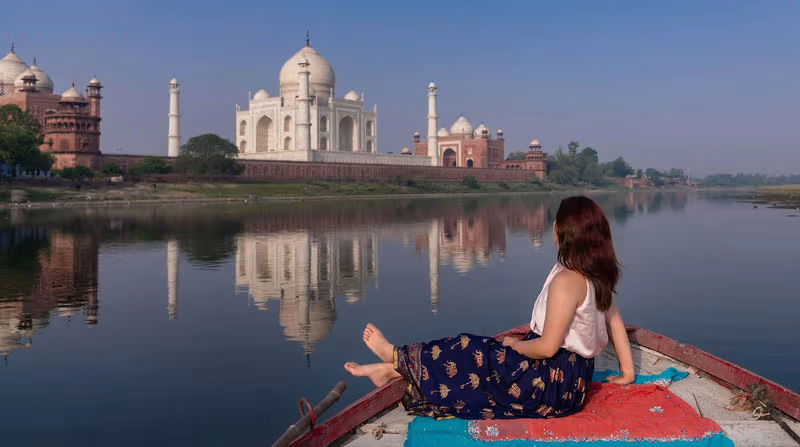
Should women travel alone in India? When you travel across India as a solo female traveler, keep in mind that India is predominantly conservative in many parts, and there are a few things you need to know before you go. The good news is that solo female travel in India
If you are thinking about the car rental process in India, this guide will help you. Hiring a car and driver in India is a great idea if you want to get from one place to another while avoiding the chaos of railway stations and busy roads across the country.
Even though India has decriminalized homosexuality, the question still remains — is India safe for LGBTQIA+ travelers? It is one of the most searched questions among queer travelers planning their first trip to the subcontinent, and it deserves an honest, detailed answer.