



South India is a region where history, architecture, religion and nature come together in remarkable ways. Ancient temples rise above busy towns, ruined cities stretch across rocky landscapes and mountain ranges protect some of the country’s richest natural habitats.
Some of these places have been recognized by UNESCO as World Heritage Sites because of their outstanding cultural, historical, architectural or natural importance. A visit to these sites is not only an opportunity to see beautiful monuments. It is a chance to understand the civilizations, dynasties, artists and communities that shaped South India over many centuries.
From the dramatic ruins of Hampi and the shore temples of Mahabalipuram to the living Chola temples of Tamil Nadu and the green landscapes of the Western Ghats, South India offers an unforgettable heritage journey.
This complete guide explains the major UNESCO World Heritage Sites in South India, what makes each one special, the best time to visit, nearby destinations, ideal travel routes and how a private car and driver can make the journey more comfortable.
Quick answer: The main UNESCO World Heritage Sites in South India include Hampi, Pattadakal, Mahabalipuram, the Great Living Chola Temples, the Sacred Ensembles of the Hoysalas, Ramappa Temple and the Western Ghats.
A UNESCO World Heritage Site is a cultural, natural or mixed property considered to have outstanding value for humanity. These places are recognized because their importance extends beyond one city, state or country.
Some sites are important because of their architecture and history. Others are recognized for natural beauty, biodiversity, geological features or ecological importance.
UNESCO recognition does not mean that a place is simply beautiful or popular. It means that the site has qualities that deserve long-term protection, conservation and responsible management.
India has several World Heritage properties, including important sites in South India. Official Indian and UNESCO listings include Hampi, Pattadakal, Mahabalipuram, the Great Living Chola Temples, Ramappa Temple, the Sacred Ensembles of the Hoysalas and the Western Ghats.
| UNESCO Site | State | Category | Inscription |
|---|---|---|---|
| Group of Monuments at Mahabalipuram | Tamil Nadu | Cultural | 1984 |
| Group of Monuments at Hampi | Karnataka | Cultural | 1986 |
| Great Living Chola Temples | Tamil Nadu | Cultural | 1987 and 2004 |
| Group of Monuments at Pattadakal | Karnataka | Cultural | 1987 |
| Western Ghats | Multiple South Indian states | Natural | 2012 |
| Kakatiya Rudreshwara Temple | Telangana | Cultural | 2021 |
| Sacred Ensembles of the Hoysalas | Karnataka | Cultural | 2023 |
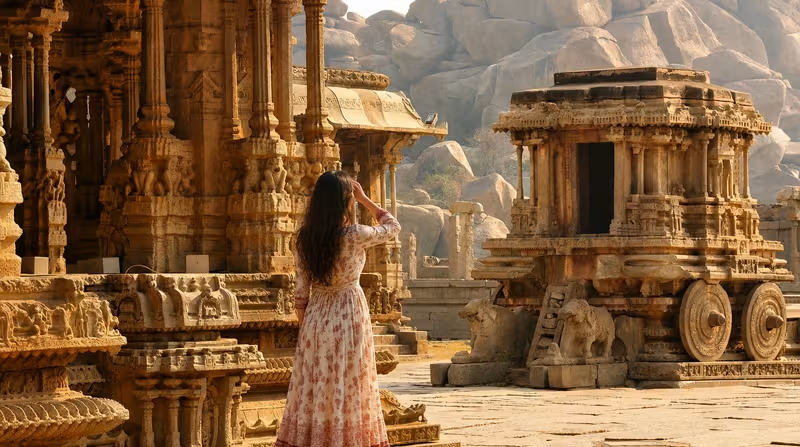
Hampi is one of the most extraordinary heritage destinations in India. Spread across a landscape of enormous boulders, green fields, riverbanks and ancient ruins, Hampi was once the capital of the Vijayanagara Empire.
Today, the ruins cover a large area, with temples, royal enclosures, marketplaces, gateways, water structures and stone buildings scattered across the landscape.
Hampi is different from a traditional monument complex. You do not visit one building and leave. You spend time moving through an ancient city that once had markets, temples, palaces, homes and busy streets.
Hampi became the capital of the Vijayanagara Empire, one of the most powerful kingdoms in South India. The city reached great wealth and influence through trade, agriculture, military strength and cultural activity.
Travelers and foreign visitors described Hampi as a rich and impressive city. Its temples and royal buildings reflected the power of the empire and the creativity of its architects and sculptors.
The city declined after the Battle of Talikota, after which many buildings were damaged. The ruins that remain today still provide a remarkable view of the empire’s scale and achievements.
Begin with the Virupaksha Temple and the riverside area. Later, explore the Vittala Temple and Stone Chariot, which are among the most photographed monuments in Hampi.
Hire a knowledgeable local guide if you want to understand the meaning behind the carvings and the arrangement of the city. Without background information, it is easy to see Hampi only as a collection of old stones.
Sunrise from Matanga Hill and sunset near the boulder landscapes are popular experiences. Wear comfortable shoes and carry water because the area involves a lot of walking.
Two full days are recommended. One day is not enough to explore the main areas without feeling rushed.
October to March is generally more comfortable for walking and sightseeing. Summer afternoons can be very hot, while monsoon may make some paths slippery.
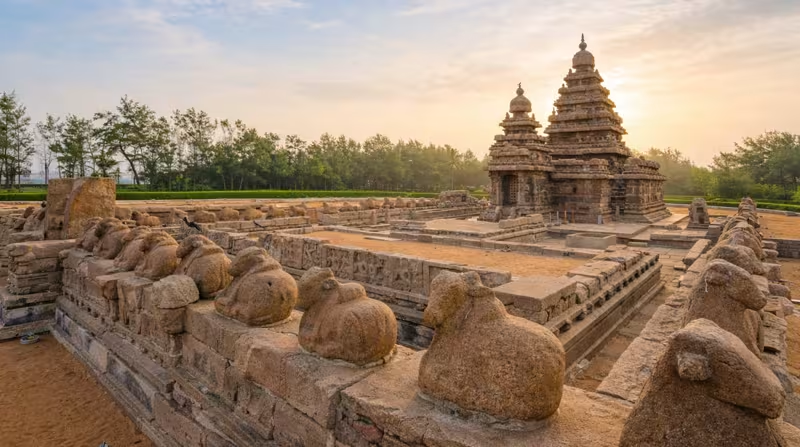
Mahabalipuram, also known as Mamallapuram, is a coastal heritage town in Tamil Nadu. It is famous for its ancient temples, rock-cut monuments and stone carvings created during the Pallava period.
The site is special because many monuments were carved directly into rocks or built from carefully shaped stone. The town combines history with a coastal atmosphere, making it easy to include in a Chennai or Pondicherry itinerary.
Mahabalipuram developed under the Pallava dynasty, which played an important role in the growth of South Indian architecture and sculpture.
The monuments show the development of rock-cut temples, structural temples, relief panels and stone compositions. They represent a period when artists experimented with new architectural forms and religious imagery.
The Shore Temple is one of Mahabalipuram’s most recognizable landmarks. Located near the coast, it creates a beautiful contrast between ancient stone architecture and the sea.
Visit early in the morning or late afternoon when the sunlight is softer. The coastal wind can be strong, so carry protection for cameras and small belongings.
Spend a few hours exploring the monuments before walking through the local stone-carving shops. Many artisans continue the town’s long tradition of working with stone.
Mahabalipuram is also a pleasant place to enjoy seafood, cafés and a relaxed evening near the coast.
One full day is enough for the main monuments. Two nights allow time for the beach and a slower heritage experience.
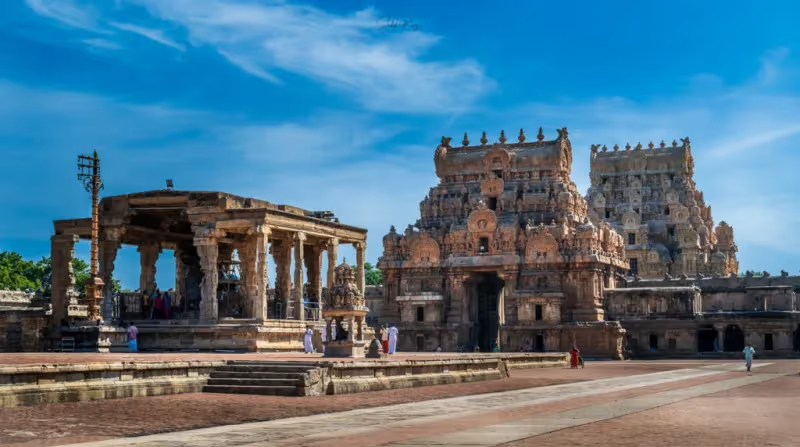
The Great Living Chola Temples represent one of the greatest achievements of South Indian temple architecture. The UNESCO property includes three important temples in Tamil Nadu:
These temples were built during the Chola period and are known for their large vimanas, detailed stone carvings, sculptures, inscriptions and connection with living religious traditions.
These temples are not only historic monuments. They continue to function as places of worship. Daily rituals, festivals and local religious traditions remain part of their identity.
This makes the experience different from visiting an abandoned ruin. You are seeing architecture that remains connected to the life of the community.
The Brihadisvara Temple in Thanjavur is the most famous of the three. Its towering vimana dominates the surrounding landscape, and the temple complex is known for its scale, symmetry and sculptural detail.
The temple was built during the reign of Rajaraja Chola I and reflects the strength of the Chola Empire.
The temple at Gangaikondacholapuram was built by Rajendra Chola I. It shares architectural connections with Thanjavur but has its own character and decorative details.
Airavatesvara Temple is smaller in scale but extremely rich in detail. Its carvings, pillars and sculptural decoration reward slow observation.
October to March is generally comfortable for temple visits. Visit early in the morning or late afternoon to avoid strong heat.
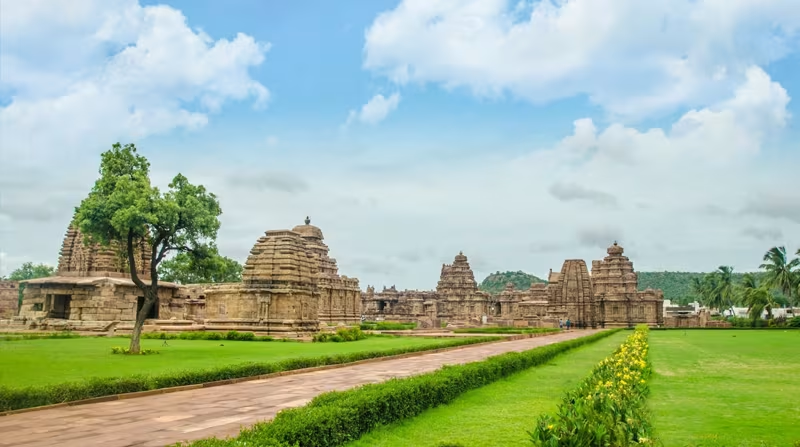
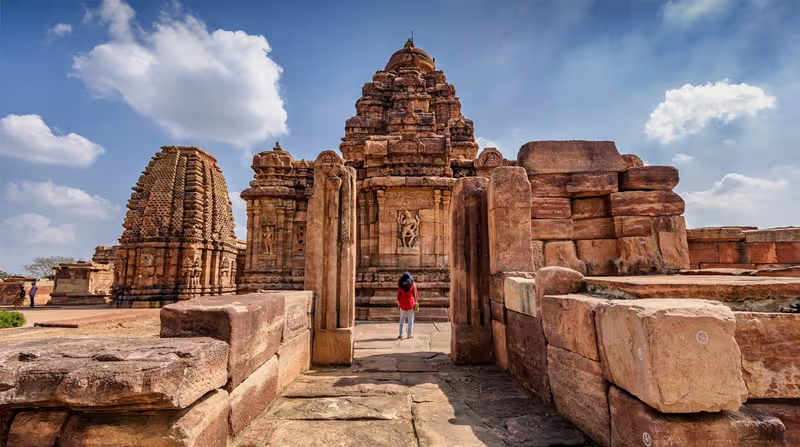
Pattadakal is one of the most important architectural sites in Karnataka. It is known for a group of temples built during the Chalukya period and for the way its architecture combines northern and southern Indian styles.
The site offers a valuable lesson in how temple design developed through experimentation, creativity and cultural exchange.
Pattadakal became an important centre for Chalukyan architecture. The temples were built between the 7th and 8th centuries and represent different architectural forms.
The complex includes Hindu temples and a Jain temple. The buildings feature carved pillars, sculptures, towers and detailed panels depicting stories from Hindu traditions.
Pattadakal is often combined with Badami and Aihole. Together, the three destinations create one of Karnataka’s most important heritage circuits.
A private car and driver is useful because the sites are located in different places and public transport may not offer the same flexibility.
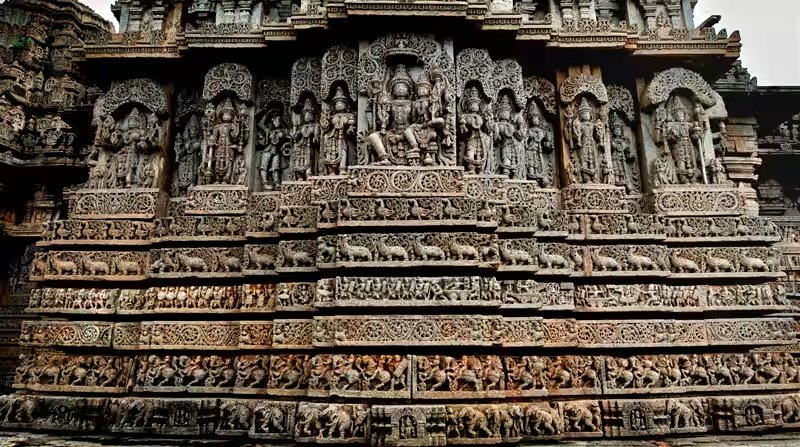
The Sacred Ensembles of the Hoysalas were added to the UNESCO World Heritage List in 2023. The property represents the artistic and architectural achievements of the Hoysala dynasty.
The temples are known for detailed carvings, star-shaped platforms, sculptural walls, decorative pillars and carefully planned temple layouts.
The Chennakeshava Temple is known for its detailed sculptures, ornate pillars and graceful figures. The exterior walls contain scenes from mythology, animals, dancers and decorative patterns.
The Hoysalesvara Temple is one of the finest examples of Hoysala stone carving. The temple walls are covered with layers of sculpture that reward a slow and patient visit.
The Keshava Temple at Somanathapura is known for its symmetrical design and richly carved exterior. Its star-shaped platform creates an attractive geometric composition.
October to March is generally the most comfortable season. The temple sites are mostly outdoor experiences, so avoid the hottest hours of the day.
The Hoysala temples are ideal for architecture lovers, photographers, history students and travelers interested in South Indian art.
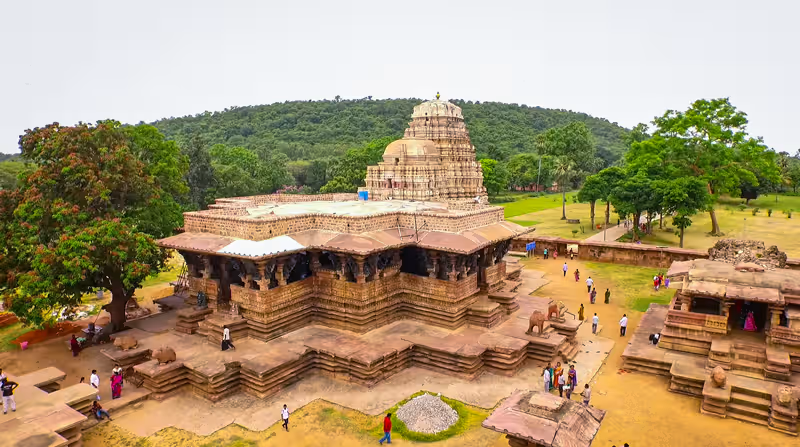
Kakatiya Rudreshwara Temple, commonly known as Ramappa Temple, is located near Palampet in Telangana. It was built during the Kakatiya period and is known for its detailed carvings, floating-brick construction and graceful temple design.
The temple was constructed in the 13th century during the reign of the Kakatiya dynasty. It was dedicated to Lord Shiva and reflects the artistic traditions of the region.
The temple is named after Ramappa, the chief sculptor associated with its construction. This is unusual because temples were generally named after rulers or deities, not artisans.
Ramappa Temple is located away from Hyderabad and is best visited as part of a dedicated heritage trip. A private car and driver provides a more comfortable journey, especially for families and travelers who want to combine the temple with Warangal and nearby sites.
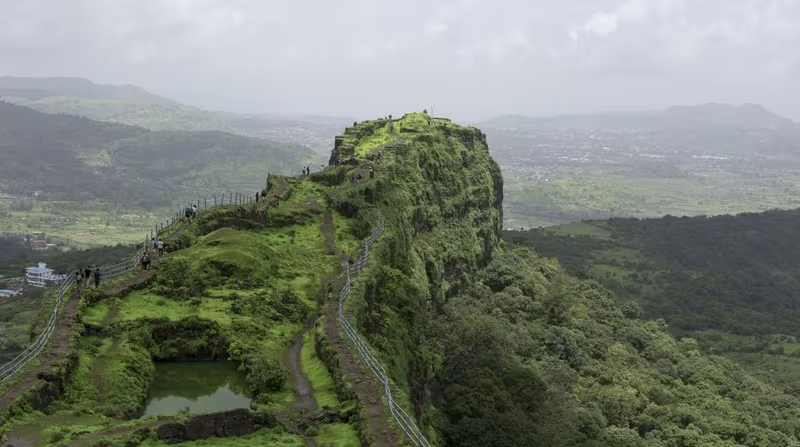
The Western Ghats are one of South India’s greatest natural treasures. This mountain range runs along the western side of peninsular India and passes through several states, including Kerala, Karnataka and Tamil Nadu.
The Western Ghats are recognized for their biodiversity, forests, rivers, endemic species and importance to the ecology of the Indian peninsula.
The mountains influence rainfall, water systems, agriculture and local climate. They are home to forests, tea and coffee plantations, wildlife sanctuaries, waterfalls and hill stations.
Many popular South Indian destinations are connected with the Western Ghats, including:
The Western Ghats support many plant and animal species that are not found anywhere else. Forests provide important habitats for elephants, tigers, Nilgiri langurs, lion-tailed macaques, birds, reptiles and countless insects.
Visitors should follow responsible travel practices. Do not feed animals, leave plastic behind or enter restricted forest areas.
The best time depends on the exact region. October to March offers comfortable weather for sightseeing, while the monsoon creates powerful waterfalls and deep green landscapes. Heavy rain can affect trekking, roads and forest access.
Bangalore, Mysore, Belur, Halebidu, Somanathapura, Hampi, Badami, Pattadakal and Aihole
This is one of the richest heritage routes in South India. It combines royal architecture, Hoysala temples, Chalukyan monuments and the ruins of the Vijayanagara Empire.
Chennai, Mahabalipuram, Thanjavur, Gangaikondacholapuram and Darasuram
This route is ideal for travelers interested in Pallava and Chola architecture. It combines coastal monuments with living temple traditions.
Kochi, Munnar, Thekkady, Wayanad and the Western Ghats
This route focuses on natural heritage, tea plantations, forests, wildlife and waterfalls. It is best for travelers who want a balance between culture and nature.
Hyderabad, Warangal and Ramappa Temple
This route introduces travelers to the Deccan’s history, Kakatiya architecture, forts and temple traditions.
October to March is generally the most comfortable period for a heritage tour. Days are more suitable for walking around temple complexes, ruins and outdoor monuments.
April to June can be hot, especially in Tamil Nadu and interior Karnataka. Begin sightseeing early and take breaks during the afternoon.
Monsoon can be beautiful in the Western Ghats and Kerala, but rain may affect road journeys and trails. The cultural sites in Tamil Nadu and Karnataka can still be visited, but weather should be considered when planning long drives.
UNESCO World Heritage Sites in South India are spread across different regions. Some are near major cities, while others are located in rural or semi-rural areas.
A private car allows you to travel directly from one hotel to the next without relying on several local connections.
You can stop for food, photographs, local markets and nearby attractions along the route.
Families and groups can travel together in a single vehicle and share the cost.
Routes such as Bangalore to Hampi or Chennai to the Chola temples involve long road journeys. A private car gives you space for luggage and regular breaks.
An experienced driver can help with parking, practical routes, hotel access and local suggestions. For detailed monument explanations, you can also hire a professional guide at the site.
Heritage sites are not only tourist attractions. They are part of local communities, religious traditions and living history.
At natural sites such as the Western Ghats, responsible behavior is even more important. Avoid loud noise, do not feed wildlife and stay on marked trails.
The main UNESCO World Heritage properties in South India include Hampi, Pattadakal, Mahabalipuram, the Great Living Chola Temples, the Sacred Ensembles of the Hoysalas, Ramappa Temple and the Western Ghats. The exact list depends on how the South Indian states and multi-state properties are counted.
Hampi is one of the most famous UNESCO World Heritage Sites in South India. Mahabalipuram, the Great Living Chola Temples and the Western Ghats are also widely visited.
Yes. The Group of Monuments at Hampi in Karnataka was inscribed as a UNESCO World Heritage Site in 1986.
Yes. The Great Living Chola Temples continue to function as religious sites. Visitors should respect worshippers, dress appropriately and follow temple rules.
Tamil Nadu includes the Group of Monuments at Mahabalipuram and the Great Living Chola Temples. The Nilgiri Mountain Railway, part of the Mountain Railways of India, is also located in Tamil Nadu.
Karnataka includes Hampi, Pattadakal and the Sacred Ensembles of the Hoysalas. Parts of the Western Ghats are also located in Karnataka.
The Kakatiya Rudreshwara Temple, commonly known as Ramappa Temple, is a UNESCO World Heritage Site in Telangana.
The Western Ghats is a natural World Heritage property recognized for its biodiversity, forests, ecosystems and endemic species.
A 7-day trip can focus on Mahabalipuram and the Chola temples. A 10-day Karnataka heritage tour can include Hampi, Pattadakal and the Hoysala temples. A two-week journey allows you to combine cultural and natural sites.
Yes. A private car and driver is a convenient option for multi-city heritage routes because many sites are located outside major cities. A local guide can be arranged separately for monument explanations.
UNESCO World Heritage Sites in South India are not simply beautiful places to photograph. They are chapters in a much larger story.
Hampi shows the scale and ambition of the Vijayanagara Empire. Mahabalipuram reveals the creativity of Pallava sculptors. The Chola temples demonstrate the power of living religious architecture. Pattadakal and the Hoysala temples show how Indian artists experimented with design, sculpture and sacred space.
Ramappa Temple preserves the legacy of the Kakatiya dynasty, while the Western Ghats remind us that natural heritage can be just as important as monuments and temples.
A private car and driver can help you connect these places comfortably, especially when your itinerary includes long road journeys and rural heritage sites. Travel slowly, respect the places you visit and allow enough time to understand their stories.
The best heritage journey is not the one where you visit the most sites. It is the one where you leave with a deeper appreciation for the people, art, architecture and landscapes that make South India so extraordinary.
Explore Hampi, Mahabalipuram, the Chola Temples, Pattadakal, Hoysala temples and the Western Ghats with a private car, experienced driver and customized itinerary.
Private Driver India Tour, founded in 2006 by Mr. Amit Singh, is dedicated to providing unforgettable travel experiences in North India, led by professional drivers with years of expertise serving global travelers.
More About Us© Private Driver India Tour 2024-26 | All rights reserved.