

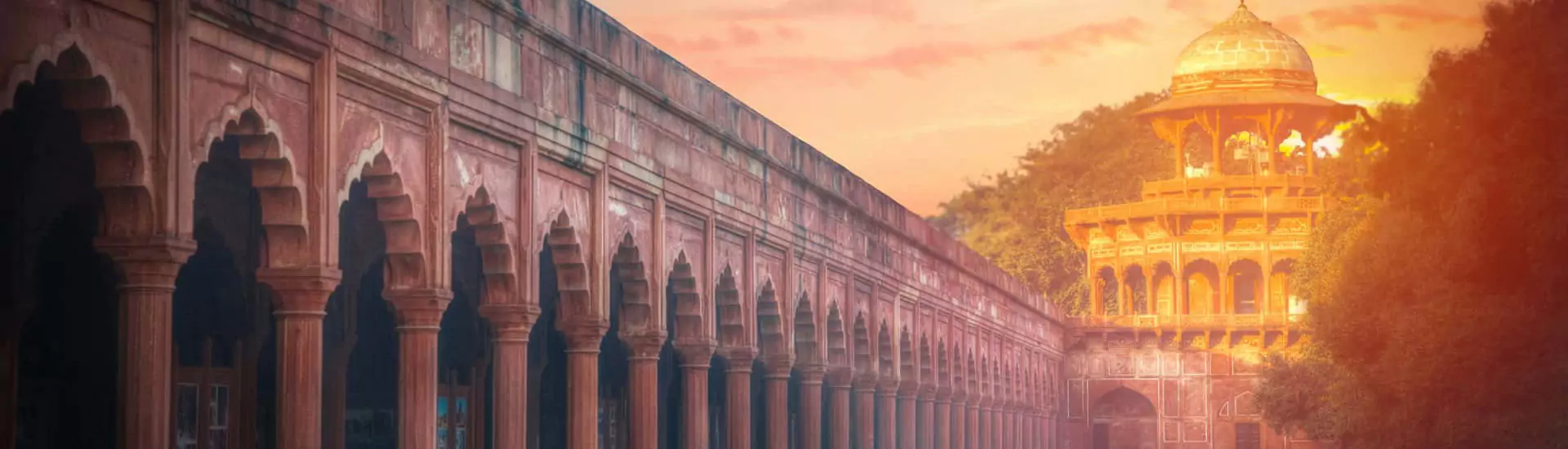


North India is the part of the country that many travelers imagine before they arrive. It is the India of grand forts, marble palaces, colourful markets, ancient cities, busy streets, royal stories, spiritual rituals and unforgettable landscapes.
In one journey, you can walk through the historic lanes of Delhi, stand before the Taj Mahal in Agra, explore the pink streets of Jaipur, see the blue houses of Jodhpur and watch the sunset over the lakes of Udaipur.
It is a journey full of contrasts. One morning may begin with the sound of temple bells. By afternoon, you may be exploring a Mughal fort. In the evening, you may be sitting on a rooftop with a view of a palace lit by golden lights.
Planning such a trip can feel difficult because North India is large and every destination offers something different. The key is to follow a logical route and avoid trying to visit too many cities in too little time.
This 10-day North India itinerary is designed for first-time visitors who want to experience Delhi, Agra and Rajasthan in a comfortable way. It includes the main sights, practical travel advice, hotel suggestions, food ideas and the benefits of traveling with a private car and driver.
Quick route: Delhi for history and culture, Agra for the Taj Mahal, Jaipur for royal architecture, Jodhpur for the Blue City and Udaipur for lakes, palaces and a peaceful finish.
This itinerary follows a natural route through some of North India’s most popular destinations. It begins in Delhi and moves toward Agra and Rajasthan, reducing unnecessary backtracking.
The journey combines the most important experiences for first-time visitors:
Ten days is enough to experience the highlights, but it is not enough to see every famous destination in North India. This plan deliberately leaves out places such as Jaisalmer, Varanasi and Ranthambore to keep the journey comfortable.
You can add those destinations if you have more time, but doing so within ten days would create longer travel days and fewer opportunities to relax.
The most comfortable period for a North India itinerary is generally from October to March. During these months, Delhi, Agra and Rajasthan usually offer better weather for sightseeing and road travel.
November to February is the busiest travel season. Days are often pleasant, but mornings can be cold or foggy, especially in Delhi and Agra.
October and March can be excellent months because the weather is usually comfortable and the crowds may be slightly lower than during peak winter.
April to June can be very hot, especially in Rajasthan. Travel is still possible, but sightseeing should begin early in the morning and continue later in the afternoon.
July to September brings monsoon rain. Rajasthan generally receives less rain than many other parts of India, but weather and road conditions can still change.
| Season | Weather | Travel Advice |
|---|---|---|
| October to November | Pleasant days and cooler evenings | Excellent for sightseeing and road trips |
| December to February | Cool mornings and pleasant afternoons | Best overall season, book early |
| March to June | Hot and sunny | Start sightseeing early |
| July to September | Rain and humidity | Keep outdoor plans flexible |
| Days | Destination | Main Experiences |
|---|---|---|
| Day 1–2 | Delhi | Old Delhi, India Gate, Qutub Minar and Mughal history |
| Day 3–4 | Agra | Taj Mahal, Agra Fort and Mehtab Bagh |
| Day 5–6 | Jaipur | Amber Fort, City Palace, Hawa Mahal and markets |
| Day 7–8 | Jodhpur | Mehrangarh Fort, blue city and old markets |
| Day 9 | Udaipur | City Palace, Lake Pichola and sunset views |
| Day 10 | Departure | Departure from Udaipur, Jaipur or Delhi |
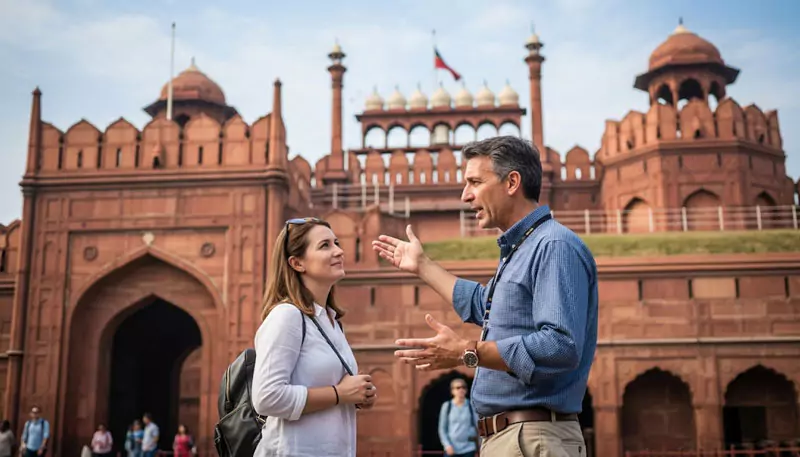
Delhi is one of the most intense and fascinating cities in India. It is busy, colourful and full of history. For a first-time visitor, the city can feel overwhelming at first, but it also offers a wonderful introduction to India.
After arriving at Indira Gandhi International Airport, meet your private driver and transfer to your hotel. If you arrive after a long international flight, keep the first day simple.
Depending on your arrival time, you may visit India Gate, Connaught Place or a nearby market. If you arrive late, rest and begin sightseeing the following morning.
New Delhi, Aerocity, Connaught Place, South Delhi and Old Delhi offer different experiences. Aerocity is convenient for airport arrivals, while Connaught Place is central and suitable for restaurants and shopping.
South Delhi offers several comfortable hotels near attractions such as Humayun’s Tomb, Lotus Temple and Qutub Minar.
Overnight: Delhi
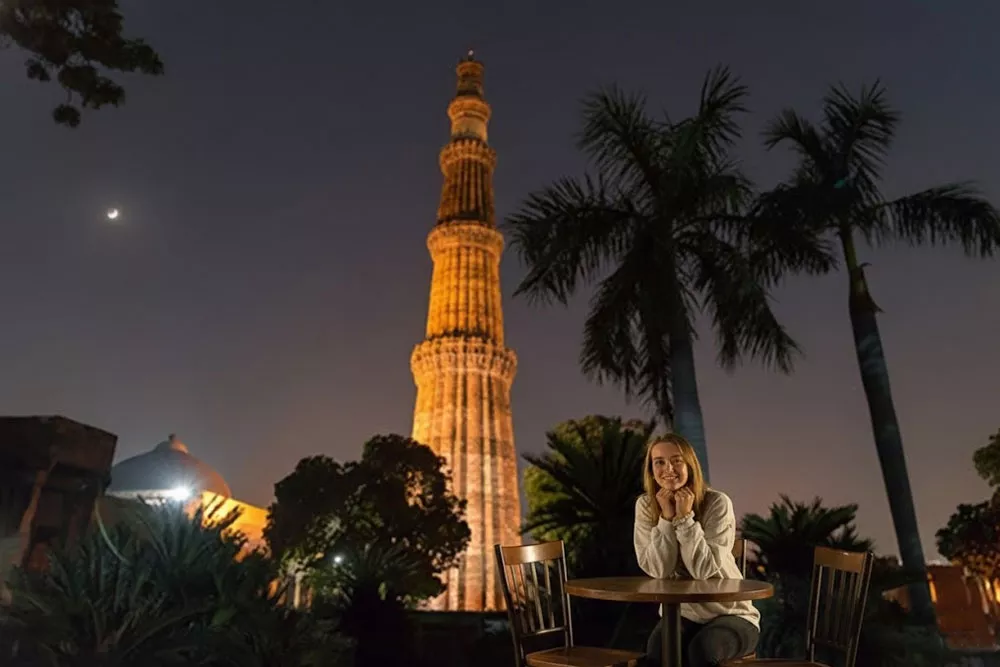
Begin your sightseeing with Qutub Minar, one of Delhi’s most famous historical monuments. The complex includes the tall minaret, ancient ruins, carved pillars and remains of earlier structures.
Continue to Humayun’s Tomb, a beautiful early Mughal monument surrounded by gardens. Its design influenced later Mughal architecture, including aspects of the Taj Mahal.
After lunch, visit India Gate and drive through the central government area. Depending on access and time, you may see Rashtrapati Bhavan and other important buildings from the outside.
In the afternoon, explore Old Delhi. Jama Masjid, Chandni Chowk and the surrounding lanes show a different side of the capital. The streets are busy, colourful and full of food, spices, textiles and local life.
Old Delhi is famous for street food, but visitors should choose clean and busy places. Try local snacks such as paratha, kebabs, jalebi or chaat if you are comfortable with rich and spicy food.
Travelers with sensitive stomachs may prefer a well-reviewed restaurant or hotel meal during the first few days.
Overnight: Delhi
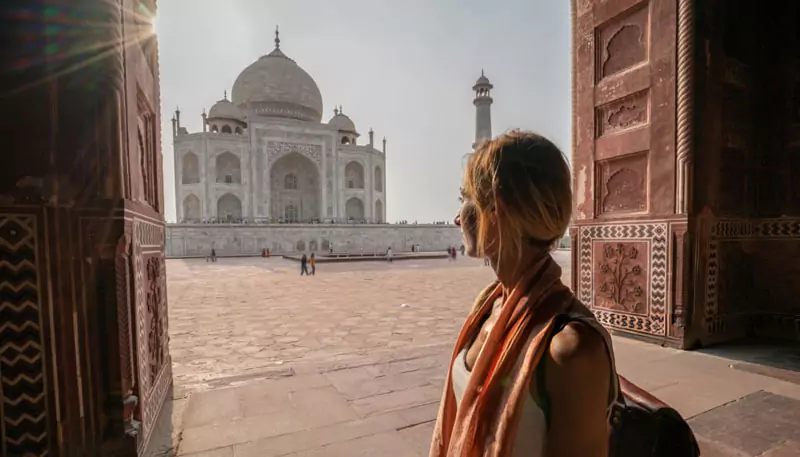
Leave Delhi after breakfast and drive to Agra. The road journey normally takes several hours, depending on traffic and stops.
A private car makes this transfer comfortable because you can leave at your preferred time and stop for tea, coffee or a meal along the way.
After arriving in Agra, check into your hotel. If you arrive early enough, visit Agra Fort in the afternoon.
Agra Fort is a massive red sandstone complex connected with the Mughal emperors. Inside, you will find courtyards, palaces, audience halls, mosques and views toward the Taj Mahal.
The fort is not only an architectural attraction. It helps explain the power and lifestyle of the Mughal rulers who made Agra one of the most important cities in India.
Visit Mehtab Bagh for a view of the Taj Mahal across the Yamuna River. The garden is particularly attractive around sunset.
Overnight: Agra
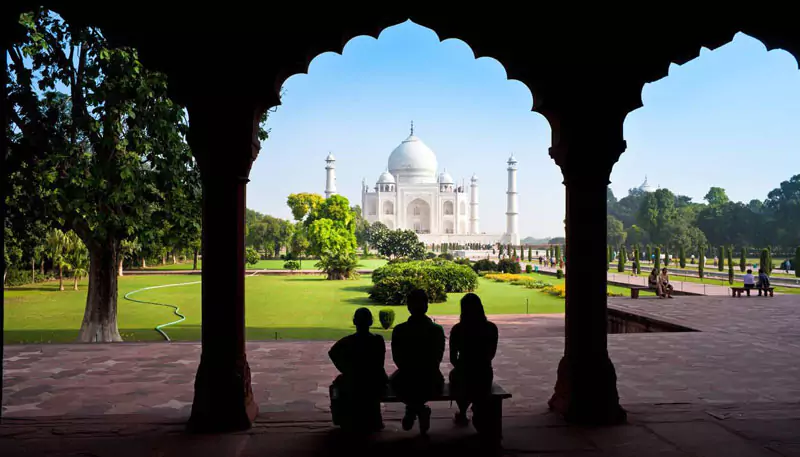
Wake up early for a sunrise visit to the Taj Mahal. The early morning light is soft, and the atmosphere can feel more peaceful than later in the day.
The Taj Mahal was built by Mughal Emperor Shah Jahan in memory of Mumtaz Mahal. The white marble structure, central dome, minarets, gardens and delicate inlay work make it one of the most recognizable monuments in the world.
After visiting the Taj Mahal, return to your hotel for breakfast and check out.
On the way to Jaipur, you can visit Fatehpur Sikri. This historic city was developed by Emperor Akbar and served as an imperial capital for a period.
The complex includes Buland Darwaza, Jama Masjid, Panch Mahal, palaces, courtyards and the tomb of Salim Chishti.
Continue to Jaipur after the visit. The drive can be long, so allow enough time for traffic and sightseeing.
Overnight: Jaipur
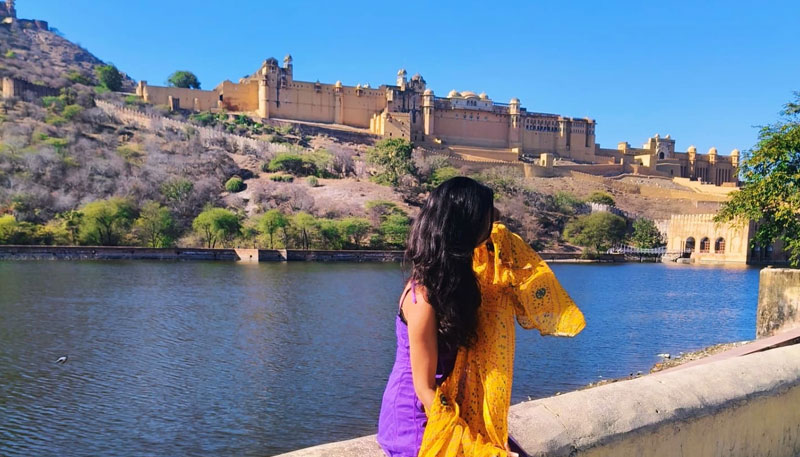
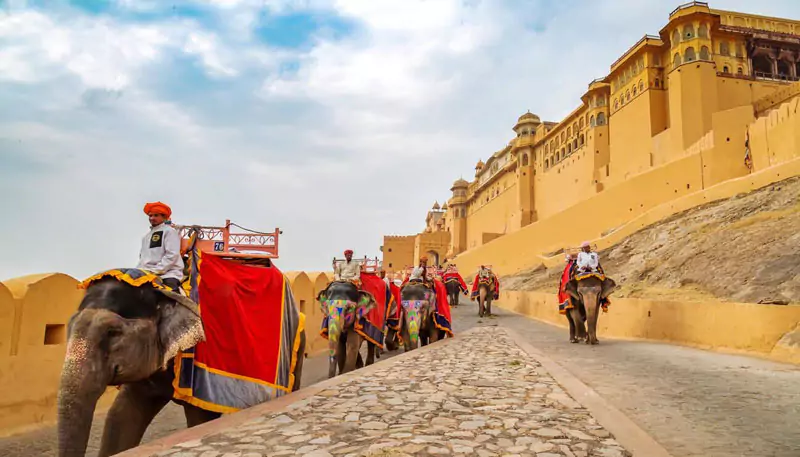
Begin your first full day in Jaipur with Amber Fort, located in the hills outside the city. This is one of the most important attractions in Rajasthan and a highlight of any North India itinerary.
Amber Fort includes courtyards, gateways, gardens, palaces and decorated halls. The Sheesh Mahal, or Mirror Palace, is one of the most famous areas inside the complex.
Arrive early to avoid the strongest heat and the largest crowds. Wear comfortable shoes because the fort includes stairs, slopes and uneven stone paths.
If you are interested in military history, continue to Jaigarh Fort. The fort sits above Amber and is known for its defensive walls, views and historic cannon.
If your group prefers a slower day, spend more time inside Amber Fort and skip Jaigarh.
Stop at Jal Mahal on the way back toward Jaipur. The Water Palace stands in the middle of Man Sagar Lake and is best viewed from the roadside viewpoint.
Overnight: Jaipur
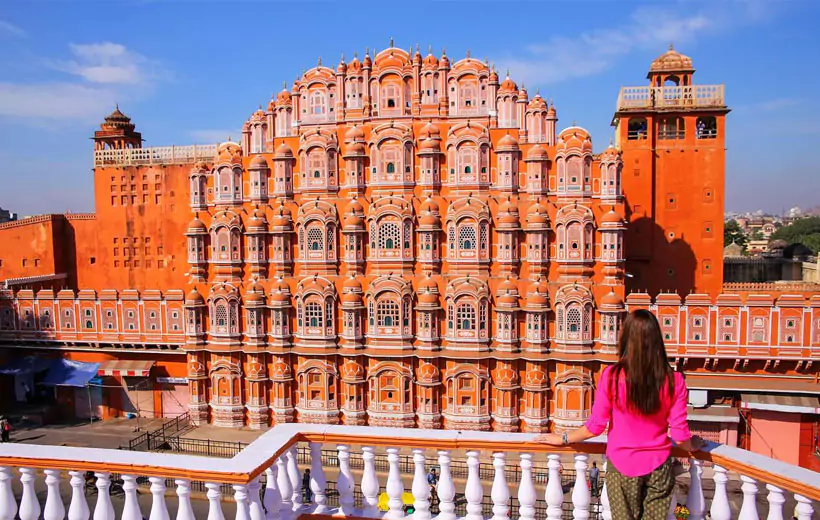
Spend the morning exploring City Palace in the heart of Jaipur’s old city. The complex includes courtyards, royal rooms, museums, decorated gateways and collections connected with Jaipur’s former royal family.
Next, visit Jantar Mantar, the historic astronomical observatory located close to City Palace. The large instruments demonstrate how earlier astronomers measured time and observed the sky.
Visit Hawa Mahal in the afternoon. The Palace of Winds is famous for its pink façade and small windows, which allowed royal women to watch the streets without being seen.
The best-known view is from the street opposite the building. Rooftop cafés nearby offer elevated views, but ask about prices before ordering.
Use the evening to explore Jaipur’s markets. Johari Bazaar is known for jewellery, while Bapu Bazaar offers textiles, traditional shoes, bags and souvenirs.
When buying valuable products, choose reputable shops, compare prices and request a bill.
Overnight: Jaipur
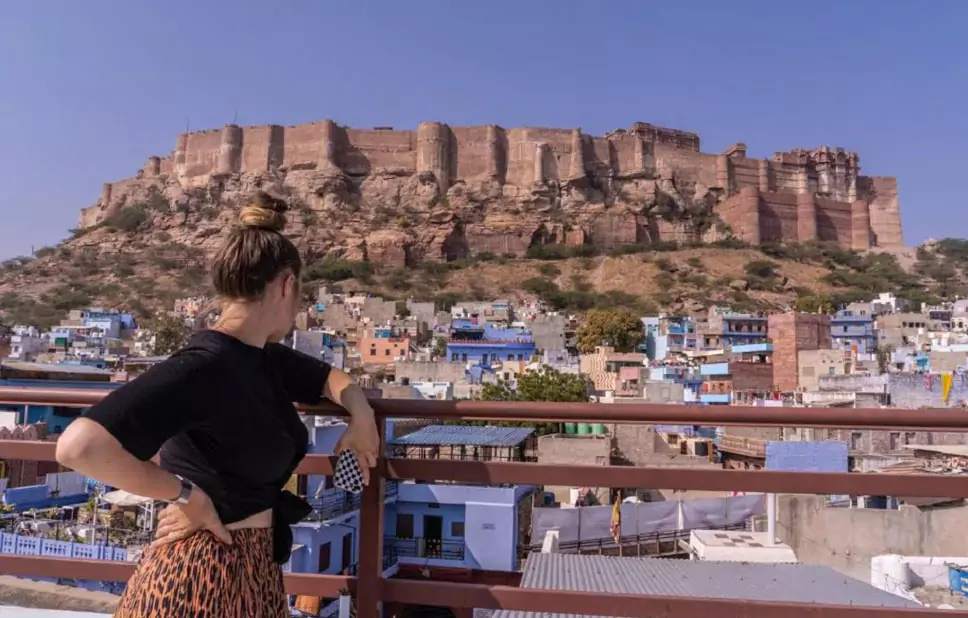
Leave Jaipur after breakfast and drive toward Jodhpur. The landscape changes as you travel west through Rajasthan. The roads pass through dry countryside, villages and open plains.
After arriving in Jodhpur, check into your hotel and rest. If time allows, visit the clock tower market or enjoy a rooftop view of Mehrangarh Fort.
The old city becomes lively in the late afternoon. Walk through the market area, try local snacks and look for spices, textiles, handicrafts and traditional products.
Jodhpur is famous for its blue-painted houses, but the city’s character is also found in its narrow lanes, old doorways and local markets.
Overnight: Jodhpur
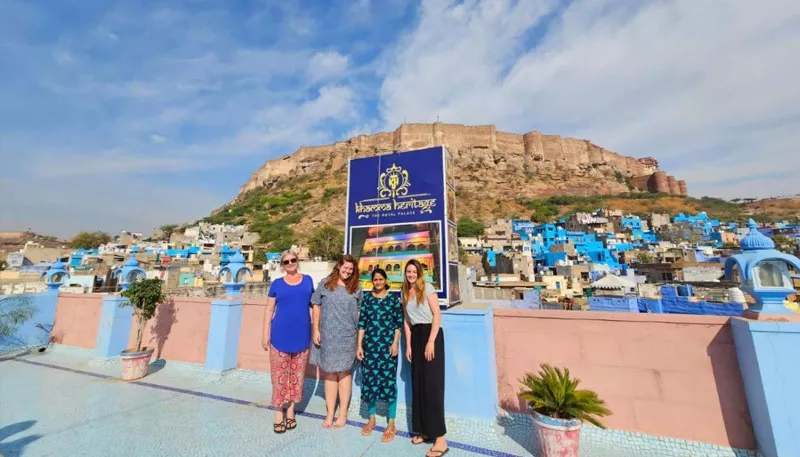
Begin the day at Mehrangarh Fort. Its massive walls rise above the city and offer wonderful views over the blue houses below.
Inside the fort, you can see palaces, courtyards, royal rooms, carved balconies, weapons and museum collections. A guide can help you understand the fort’s history and the lives of the rulers who lived there.
After Mehrangarh Fort, visit Jaswant Thada, a peaceful marble memorial surrounded by gardens. It offers a quieter contrast to the larger fort.
Spend the afternoon exploring the old city. You can try Jodhpuri snacks, browse local shops or relax at a rooftop restaurant.
Jodhpur is a good place to try dishes such as mirchi bada, mawa kachori, dal baati churma and local sweets.
Overnight: Jodhpur
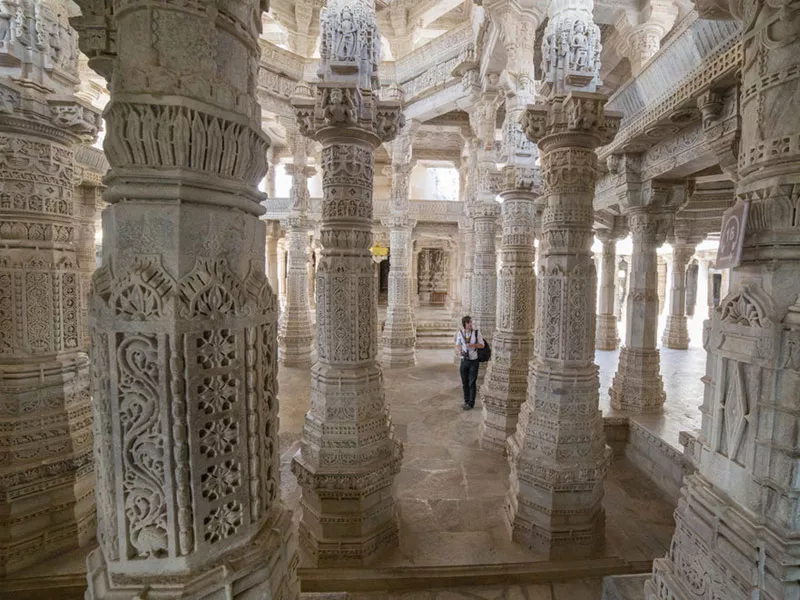
Travel from Jodhpur to Udaipur through the Aravalli Hills. This is one of the most scenic road journeys in Rajasthan.
Stop at Ranakpur to visit its beautifully carved Jain temples. The marble pillars and detailed architecture are the main highlights.
Dress respectfully and follow the temple’s photography rules. A local guide can explain the design and religious significance of the complex.
Continue to Udaipur after the visit. The landscape becomes greener as you approach the City of Lakes.
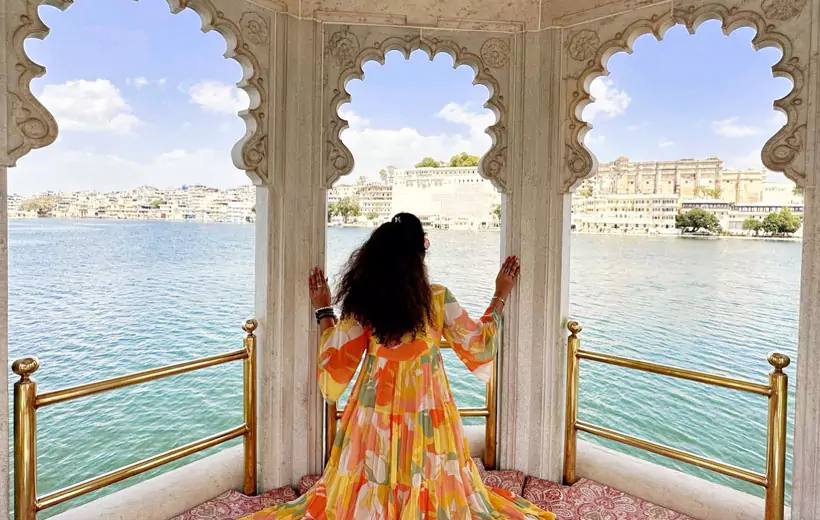
If you arrive before sunset, take a boat ride on Lake Pichola or enjoy a rooftop dinner with views of the water and palace skyline.
Udaipur is a calm and beautiful way to end an active North India journey.
Overnight: Udaipur
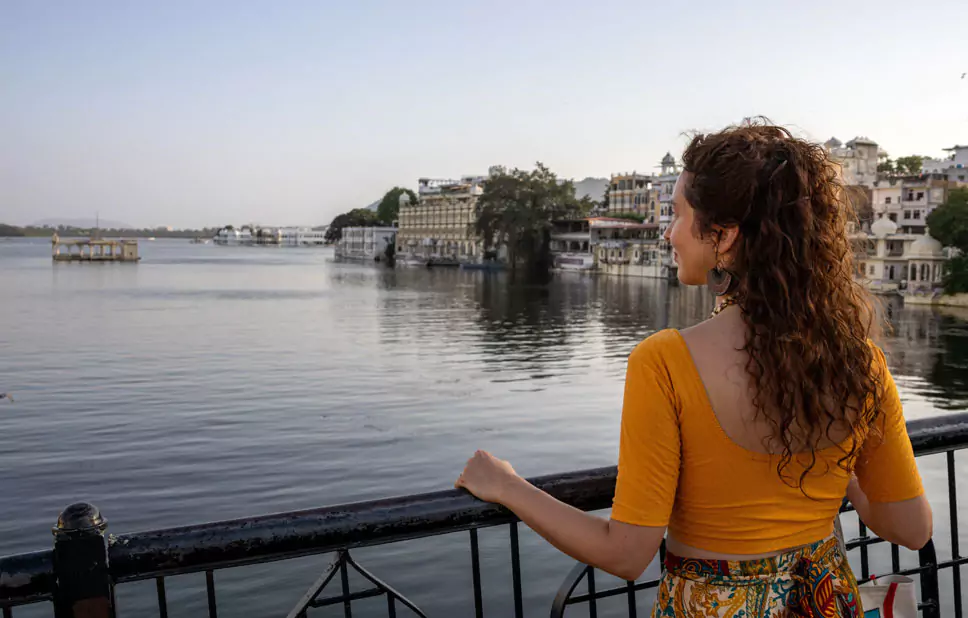
Begin your final day at the City Palace, one of Udaipur’s most important attractions. The palace includes courtyards, galleries, balconies, decorated rooms and beautiful views over Lake Pichola.
Continue to Jagdish Temple and walk through the old city lanes. If time allows, visit Saheliyon-ki-Bari or Fateh Sagar Lake.
A morning boat ride offers a peaceful final experience. The lake provides views of City Palace, Jag Mandir, Lake Palace and the surrounding hills.
Depending on your departure plans, you can fly from Udaipur to Delhi, Mumbai or another major Indian city. If you are returning by road, allow enough time for the journey.
Departure: Udaipur or onward destination
North India is full of memorable places, but the distances between them can be long. A private car and driver provide comfort and flexibility throughout the journey.
You travel directly from one hotel to the next without handling luggage through stations or waiting for multiple local transfers.
You can stop at viewpoints, villages, restaurants and attractions along the route. The itinerary can be adjusted according to weather and energy levels.
An experienced driver can recommend safe restaurants, practical routes, good stopping points and realistic travel times.
Families can take breaks when needed, while senior travelers can avoid rushed station transfers and long periods of standing.
A private vehicle becomes especially useful when traveling through Delhi, Agra and several Rajasthan cities. The cost can also be shared between travelers.
Choose Aerocity for airport convenience, Connaught Place for central access or South Delhi for comfortable hotels near major attractions.
Stay near Tajganj for easy access to the Taj Mahal or choose a hotel with a view of the monument. Confirm whether the view is direct or partial.
Bani Park and C-Scheme are comfortable areas with hotels and restaurants. The old city is ideal for heritage atmosphere and easy access to Hawa Mahal and City Palace.
A heritage hotel near the old city provides atmosphere and rooftop views. Modern hotels outside the centre may offer easier parking and larger rooms.
The Lake Pichola area is popular for palace views and romantic dining. Fateh Sagar and the outskirts offer quieter hotels and resorts.
Food is one of the most enjoyable parts of the journey. Each destination offers its own style and flavours.
Choose clean and well-reviewed restaurants, especially during the first few days. Drink bottled or filtered water and ask for mild spices if you are not used to rich food.
Early mornings are cooler and often less crowded. This is especially important for the Taj Mahal, Amber Fort and outdoor attractions in Rajasthan.
Distances may look short on a map, but traffic, road conditions and sightseeing stops can make journeys longer.
Heritage hotels and well-reviewed properties can fill quickly during the winter season and major holidays.
Dress modestly at temples, mosques and religious sites. Ask before photographing people or ceremonies.
Do not plan every hour. A flexible schedule gives you time for unexpected discoveries and rest.
Ten days is enough for a highlights tour covering Delhi, Agra and selected Rajasthan cities. It is not enough to explore every major destination in North India.
A practical route is Delhi, Agra, Jaipur, Jodhpur and Udaipur. It combines Mughal history, royal architecture, forts, markets, desert landscapes and lakes.
Varanasi is a wonderful destination, but adding it to this route may make the journey rushed. It is better to add Varanasi by extending the trip or using a domestic flight.
Yes. A private car is especially useful for the Delhi, Agra and Rajasthan route because it provides direct hotel transfers, flexible stops and local support.
October to March is generally the most comfortable period. November to February is the busiest season, while October and March can offer a good balance between weather and crowds.
Two nights are recommended for first-time visitors. This allows enough time for Amber Fort, City Palace, Hawa Mahal, Jantar Mantar and local markets.
The Taj Mahal is generally closed on Fridays for public viewing. Check official visiting information before confirming your Agra itinerary.
Yes, but families should choose comfortable hotels, private transportation and a schedule with regular breaks. Children may enjoy forts, palaces, markets and cultural shows.
A 10-day journey through North India is an introduction to a country full of history, beauty and contradiction. Delhi shows you the energy of modern India and the depth of its past. Agra brings you face to face with the Taj Mahal, a monument that has inspired travelers for centuries.
Jaipur introduces the colour and confidence of Rajasthan. Jodhpur reveals a city of blue houses and powerful fort walls. Udaipur offers a quieter ending with lakes, palaces and soft evening light.
The route is busy, but it does not need to feel rushed. With an experienced private driver, realistic travel times and carefully chosen hotels, you can enjoy the journey between destinations as much as the attractions themselves.
Leave space for local food, roadside tea, unexpected views and conversations along the way. The most memorable moments may not be the ones written in your itinerary.
They may be the moment you see the Taj Mahal in the early morning light, hear music from a Jaipur courtyard, look across the blue rooftops of Jodhpur or watch Udaipur’s palace lights reflect on Lake Pichola.
Explore Delhi, Agra, Jaipur, Jodhpur and Udaipur with a private car, experienced driver and customized itinerary planned around your travel dates and interests.
Private Driver India Tour, founded in 2006 by Mr. Amit Singh, is dedicated to providing unforgettable travel experiences in North India, led by professional drivers with years of expertise serving global travelers.
More About Us© Private Driver India Tour 2024-26 | All rights reserved.