

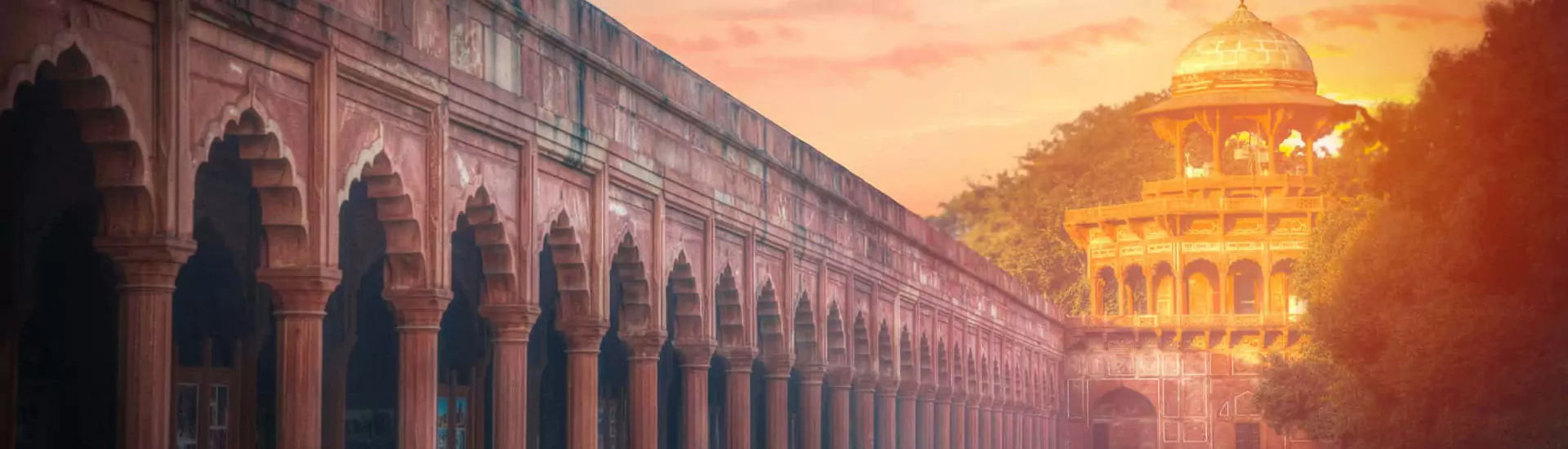


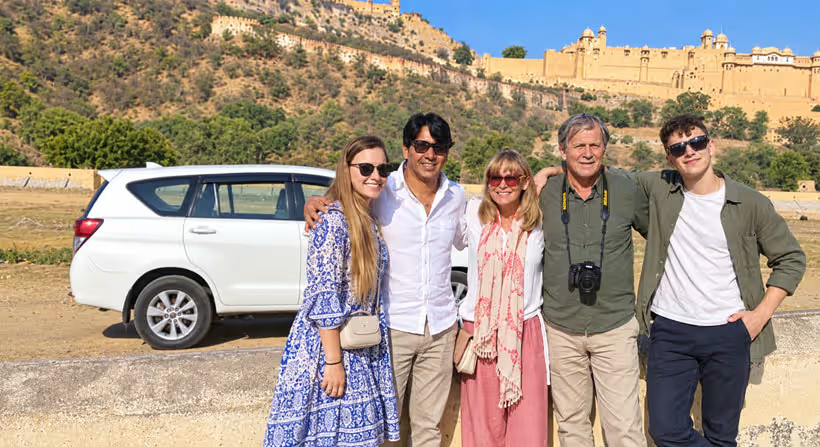
A roadside cup of chai after an early start. A fort appearing above the rooftops as you enter a new city. The first glimpse of golden sandstone in Jaisalmer. An evening in Udaipur when the lake turns silver and the day finally slows down.
Rajasthan gives you plenty of famous sights, but the journey works best when you leave room to enjoy them. Trying to fit too many cities into a short holiday can turn a beautiful route into a series of hotel check-ins and long drives.
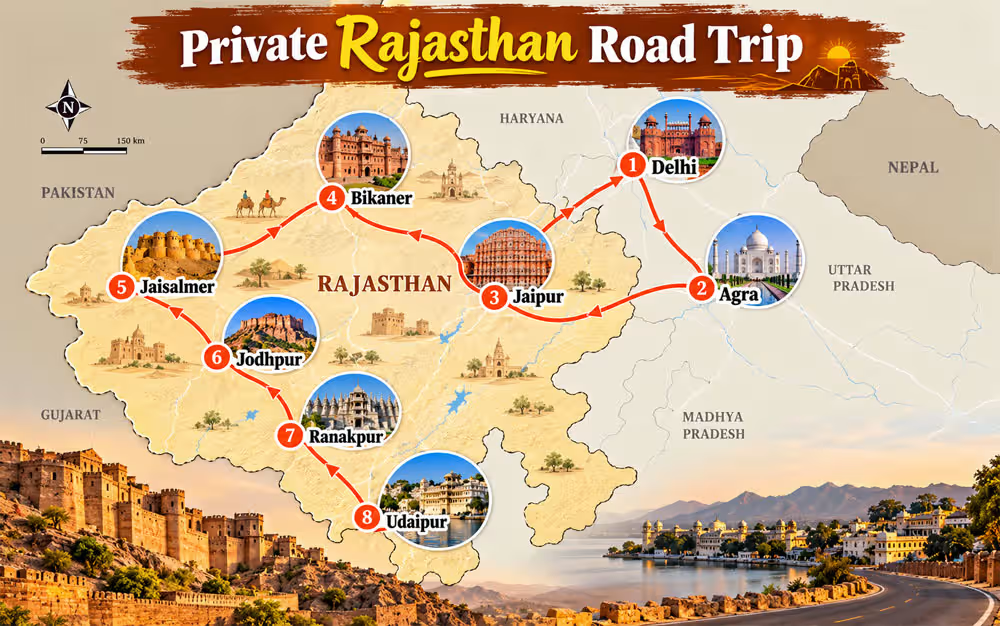
This 14-day Rajasthan itinerary is designed for first-time visitors who want a rewarding introduction without changing hotels every night. It starts in Delhi, includes Agra and the Taj Mahal, continues through Jaipur and the desert cities, and ends beside the lakes of Udaipur.
You will find a day-by-day route, realistic transfer planning, hotel-area advice, budget examples, vehicle comparisons and practical tips for travelling with a private car and driver.
Delhi and Agra are outside Rajasthan. They are included because this route combines the Golden Triangle with a wider Rajasthan journey.

Fourteen days is enough for a well-planned introduction to Rajasthan, especially if you arrive in one city and leave from another. It is not enough to see every major fort, wildlife park, pilgrimage town and desert region.
The easiest way to improve a two-week itinerary is to accept that some places belong on another trip. Adding Ranthambore, Pushkar, Bundi, Mount Abu and Mandawa to the route below would require removing other destinations or extending your holiday.
For your first visit, choose a balance of experiences rather than collecting city names. Jaipur brings royal architecture and markets. Bikaner adds a different desert-city atmosphere. Jaisalmer offers sandstone streets and dunes. Jodhpur combines a powerful fort with old neighbourhoods, while Udaipur gives the journey a gentler ending.
If Delhi and Agra are already familiar, use those three days for slower travel in Rajasthan instead. Two weeks entirely within the state allows more breathing space than two weeks covering both the Golden Triangle and Rajasthan.
A road trip connects the famous cities with the smaller experiences that make Rajasthan memorable. You can stop for lunch when you are hungry, visit a temple between destinations or pause when the landscape changes.
Trains are useful for selected city-to-city journeys, particularly when you want to reduce daytime travel. However, they do not always fit comfortably with village visits, luggage-heavy family holidays or sightseeing stops along the way.
A private car and driver gives you flexibility without requiring you to handle unfamiliar traffic yourself. That does not mean every day should be fully packed. The real advantage is being able to adjust the pace.
For example, you might leave Jodhpur earlier to spend more time at Ranakpur, or shorten an afternoon market visit because your family needs a break. A good itinerary should allow such changes without disrupting the entire holiday.
For Historic Towns and Traditional Architecture
If painted havelis, forts and historic towns are your main interests, explore our Heritage Tour of Rajasthan. Its route includes Mandawa alongside several major Rajasthan destinations, offering another option for heritage-focused travellers.
October to March is generally the most comfortable period for this route. The cooler weather makes fort visits, old-city walks and desert activities easier to enjoy.
These months often offer a useful balance between warm days and more comfortable evenings. Afternoon sightseeing can still feel hot, especially in exposed places, so keep water and sun protection handy.
Festival dates can affect hotel demand, traffic and local opening arrangements. Check your actual travel dates rather than assuming every week has similar availability.
Winter is popular for Rajasthan travel. It can be pleasant for daytime sightseeing, but desert nights and early starts may feel cold. A warm layer is important if you plan to sit outdoors at a camp.
Book preferred heritage hotels and smaller properties early when your dates are fixed. Their appeal often comes from limited rooms and individual character, which also means fewer alternatives within the same property.
March becomes warmer as the month progresses. April to June can be challenging for long outdoor visits, even when the vehicle has reliable air conditioning.
Monsoon travel is possible, but rainfall can affect roads, outdoor activities and the character of a desert stay. Build flexibility into your plans and ask about seasonal operations before paying for camps or excursions.
| Day | Plan | Overnight |
|---|---|---|
| 1 | Arrive in Delhi and settle in | Delhi |
| 2 | Explore selected Old and New Delhi sights | Delhi |
| 3 | Drive to Agra and visit Agra Fort | Agra |
| 4 | Taj Mahal visit and transfer to Jaipur | Jaipur |
| 5 | Jaipur forts, palace and markets | Jaipur |
| 6 | Drive to Bikaner | Bikaner |
| 7 | Drive to Jaisalmer and enjoy an easy evening | Jaisalmer |
| 8 | Jaisalmer Fort, havelis and lake area | Jaisalmer |
| 9 | Thar Desert experience | Desert camp or Jaisalmer |
| 10 | Transfer to Jodhpur | Jodhpur |
| 11 | Mehrangarh Fort and the old city | Jodhpur |
| 12 | Travel to Udaipur, with an optional Ranakpur visit | Udaipur |
| 13 | Udaipur palace, lake and leisure time | Udaipur |
| 14 | Departure from Udaipur or onward flight | Departure |
After a long international flight, your first priority should be a comfortable arrival rather than a full sightseeing schedule. Arrange your pickup, reach the hotel and allow time to rest.
If you arrive early and feel energetic, take a short walk or enjoy a relaxed meal. Avoid booking several prepaid activities that you may not feel ready for after travel.
Delhi can feel intense at first. Traffic, unfamiliar sounds and a different rhythm of daily life can take time to absorb. A quiet first evening helps you begin the journey with curiosity instead of exhaustion.
When choosing accommodation, think about tomorrow’s sightseeing as well as airport convenience. A hotel near the airport may suit a late arrival, while a more central location can reduce some city travel.
Overnight: Delhi.

Delhi offers more than you can comfortably cover in one day. Choose a few contrasting places rather than attempting a long list.
You could combine Humayun’s Tomb or Qutub Minar with an Old Delhi visit around Jama Masjid and Chandni Chowk. Add a central Delhi drive if time and traffic allow.
The interest lies in the contrast. Formal gardens and broad avenues feel different from market lanes filled with textiles, spices and everyday activity.
Old Delhi is often easier to appreciate with a local guide, particularly when you want help understanding the area rather than simply moving through it. Your driver and guide may perform different roles, so confirm what your booking includes.
Keep lunch flexible and return to the hotel before the day becomes too tiring. Tomorrow begins the road journey.
Overnight: Delhi.
Leave after breakfast, allowing time for city traffic before reaching the main route. Treat this as a transfer day with a manageable afternoon, not a race to complete every Agra attraction.
After checking in, visit Agra Fort if your arrival time permits. Its courtyards, halls and palace spaces provide context for the Mughal world before your Taj Mahal visit.
A sunset viewpoint or an unhurried dinner can complete the day. If you plan a sunrise Taj Mahal visit, prepare your tickets, identification and permitted belongings the previous evening.
Before finalising dates, verify the Taj Mahal’s current visiting rules and weekly public closure. Move the Agra night if necessary rather than discovering a scheduling problem after arrival.
Overnight: Agra.
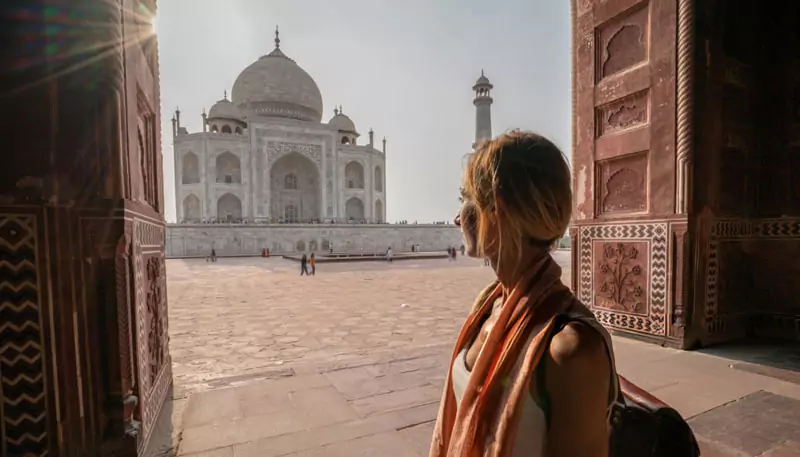
An early Taj Mahal visit can be one of the emotional highlights of the trip. Allow yourself time to look beyond the familiar photograph and notice the gardens, marble details and changing light.
Return for breakfast before continuing to Jaipur. If you want an en-route visit, discuss Fatehpur Sikri or another suitable stop with your driver in advance.
One meaningful stop is usually enough. Adding several attractions can turn a straightforward transfer into a very long day, especially when you have already started before sunrise.
On reaching Jaipur, check in and keep the evening light. A short neighbourhood walk or dinner at your hotel may be more enjoyable than another major outing.
Overnight: Jaipur.
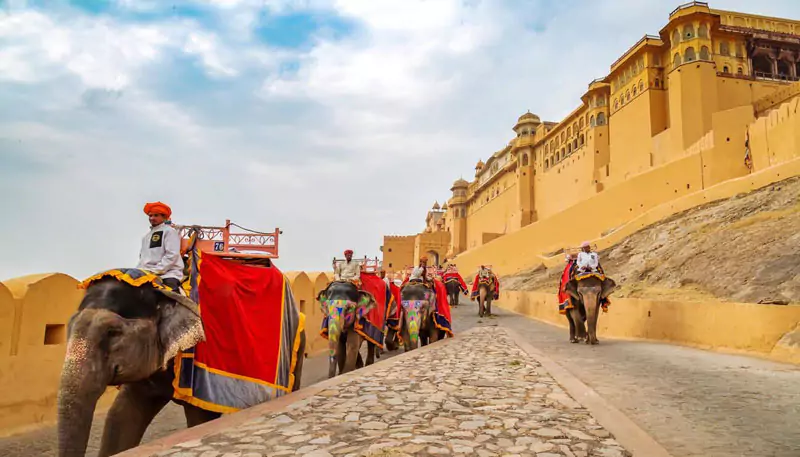
Begin with Amber Fort before the afternoon heat and crowds build. Take your time with the courtyards, gateways and decorated rooms instead of rushing towards one famous photo spot.
Later, return towards the city, stopping for a view of Jal Mahal where access permits. Plan City Palace or Jantar Mantar according to your interests and available energy.
Hawa Mahal is another Jaipur highlight, but allow time to understand the building rather than treating it only as a roadside photograph.
In the evening, explore a market if you enjoy textiles, jewellery or crafts. Ask before making valuable purchases, compare prices and avoid feeling obliged to shop because someone recommends a particular store.
For many travellers, Jaipur is the moment Rajasthan begins to feel familiar. The city is busy, but a sensible pace helps its colours and details emerge.
Your Route. Your Pace.
Share your travel dates, arrival city, number of travellers and
preferred destinations. Ask about a personalised itinerary,
a suitable private vehicle and a written quotation with clear
inclusions.
Final prices, vehicle availability and travel arrangements should
be confirmed for your selected dates.
Overnight: Jaipur.

Today takes you farther into Rajasthan. Start reasonably early, stop for a proper break and avoid promising yourself a full day of sightseeing after arrival.
If you reach Bikaner with enough time, visit Junagarh Fort. Otherwise, consider an early visit the next morning and adjust your onward departure.
Bikaner is more than a place to sleep between Jaipur and Jaisalmer. Its fort, old buildings and local streets deserve some attention, even on a short stay.
A detour through Shekhawati can add painted havelis and historic towns, but it also adds time. If frescoes and merchant mansions are a priority, replace a night elsewhere or extend the trip rather than squeezing them into an already long day.
Overnight: Bikaner.
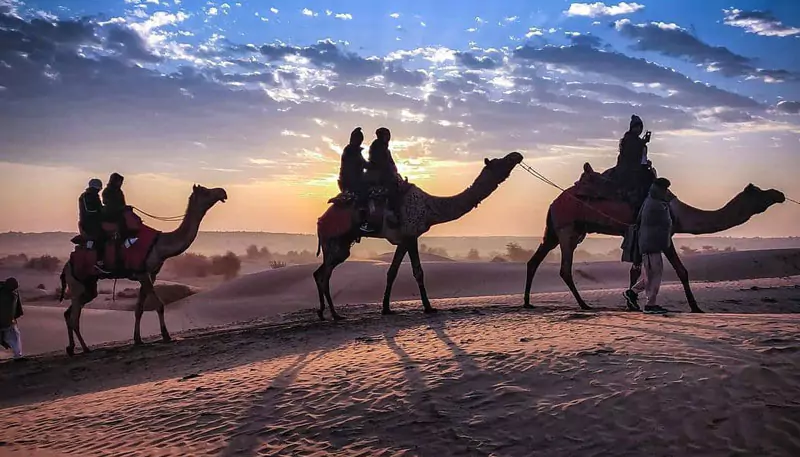
This is one of the longer transfers on the itinerary. Carry water, have breakfast before departure and agree on sensible meal and rest stops.
The journey gradually introduces a different landscape. Open stretches, dry terrain and smaller settlements create a stronger sense of distance than the map alone suggests.
On arrival, allow time for check-in and rest. An easy evening near your hotel is enough. You have a full day tomorrow for the fort and havelis.
Jaisalmer is especially rewarding when you slow down. Sandstone buildings change colour with the light, and a simple walk can become as memorable as a scheduled visit.
Do not add a sunset desert excursion today unless your timing is genuinely comfortable. A delayed transfer should not become pressure to rush.
Overnight: Jaisalmer.
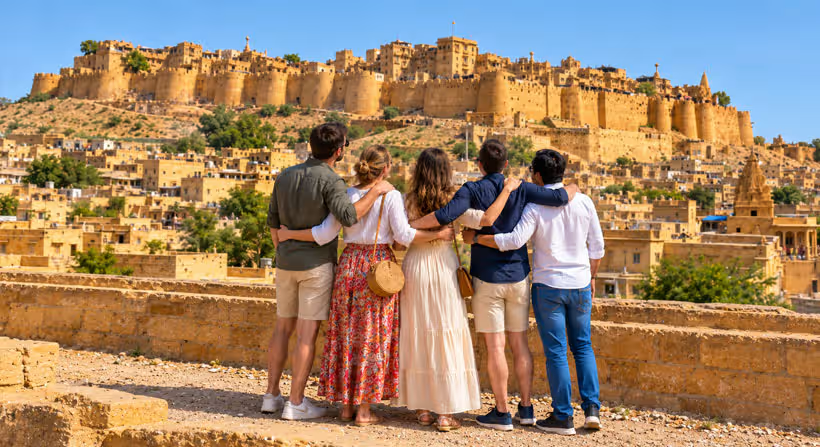
Spend the morning exploring Jaisalmer Fort and its surrounding lanes. This is a living neighbourhood as well as a heritage attraction, so be considerate around homes, shops and places of worship.
Visit selected havelis according to your interest in architecture. Patwon Ki Haveli is a familiar option, but you do not need to enter every building to enjoy the city.
Later, visit Gadisar Lake or return for a quieter walk through the old streets. A knowledgeable guide can help explain how trade, architecture and local life shaped the city.
Leave some free time. A terrace tea, a conversation with a craftsperson or an unexpected courtyard may become the part you remember most.
Tomorrow is reserved for the desert, so there is no need to combine all the city sights and dunes in one day.
Overnight: Jaisalmer.

A desert visit can be peaceful, lively or highly organised, depending on what you book. Think about the atmosphere you actually want before choosing a camp.
Some camps offer music, performances and a social evening. Others focus on a quieter setting. A photograph of a tent does not tell you how loud the night will be or how close neighbouring camps are.
Ask about bathrooms, bedding, meals, heating arrangements where relevant, transfer times and the distance to the dunes. Confirm whether activities are included or charged separately.
If you choose a camel ride, consider your comfort and the treatment of the animals. You can enjoy the desert without riding. Sitting on the sand at sunset may be enough.
For jeep activities, use a responsible local operator rather than asking your regular road-trip driver to take the car onto dunes.
An overnight stay is optional. Travellers who prefer a hotel bathroom and a quieter sleep can visit the dunes and return to Jaisalmer.
Overnight: desert camp or Jaisalmer.
If you stayed in the desert, enjoy the morning without making it unnecessarily complicated. A short sunrise walk and breakfast may be more pleasant than adding another activity before a transfer.
Continue to Jodhpur, allowing extra time for the camp-to-road connection where needed. Check into your hotel before planning an evening outing.
A rooftop dinner with a view of Mehrangarh Fort is a gentle introduction to the city. Save the main fort visit for tomorrow.
This is also a useful point to check how everyone is feeling. After several cities, some travellers need laundry, a relaxed meal or an earlier night more than another attraction.
A private itinerary should respond to that. Rest is not wasted time when it helps you enjoy the remaining journey.
Overnight: Jodhpur.
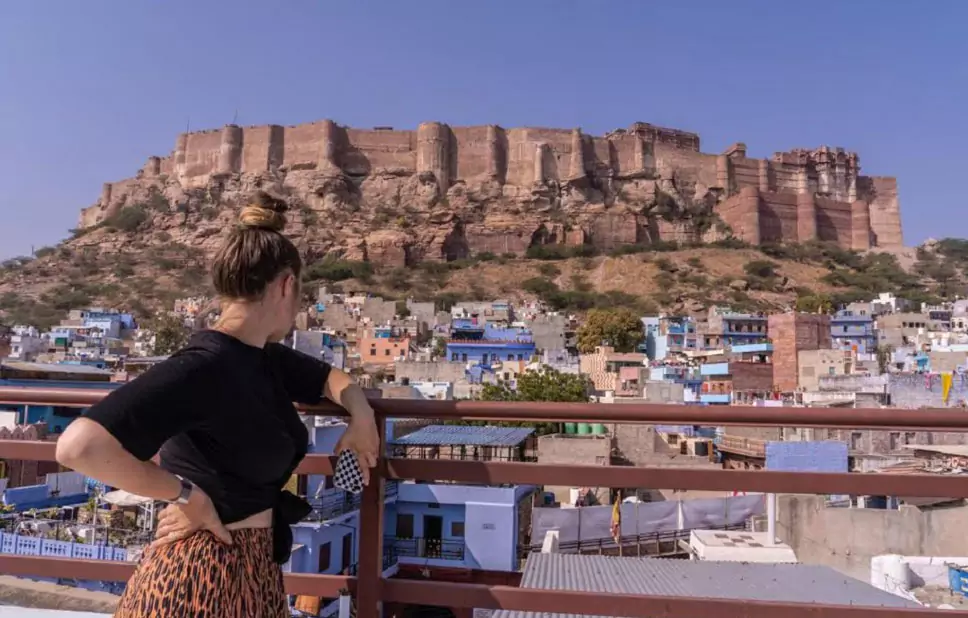
Mehrangarh Fort deserves a substantial part of your day. Its position above Jodhpur creates impressive views, but the rooms, collections and architectural details are equally worth your attention.
Use an audio guide or local guide if you want more context. Follow the pace that suits you, especially if steps or uneven surfaces are tiring.
Jaswant Thada can be combined with the fort. Later, explore the old-city lanes or the area around the clock tower and Toorji Ka Jhalra.
Not every street is blue, and residential lanes are not a film set. Walk respectfully, avoid intrusive photography and support businesses without blocking doorways or daily activity.
A village excursion is another option, but do not automatically add one to a full fort day. Choose between a deeper city visit and an additional outing according to your interests.
Overnight: Jodhpur.
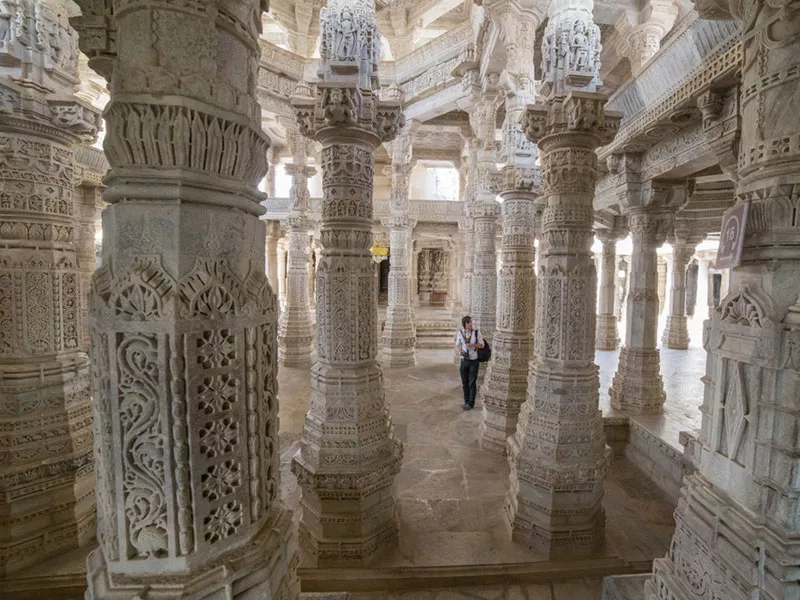
The landscape becomes hillier as you approach the Udaipur region. This transfer can include a visit to the Jain temple at Ranakpur if the route, opening arrangements and your schedule allow.
Check visitor access and photography rules before arrival. Dress respectfully and remember that temple access may follow different arrangements from ordinary monument visiting.
Treat Ranakpur as the main stop rather than adding several more attractions. A temple visit, lunch and a scenic drive already make a full travel day.
Arrive in Udaipur with enough time to settle in. If you stay in the old city, confirm vehicle access and the final luggage transfer with your hotel beforehand.
A quiet first evening beside the lake is a fitting change after the desert and fort cities.
Overnight: Udaipur.
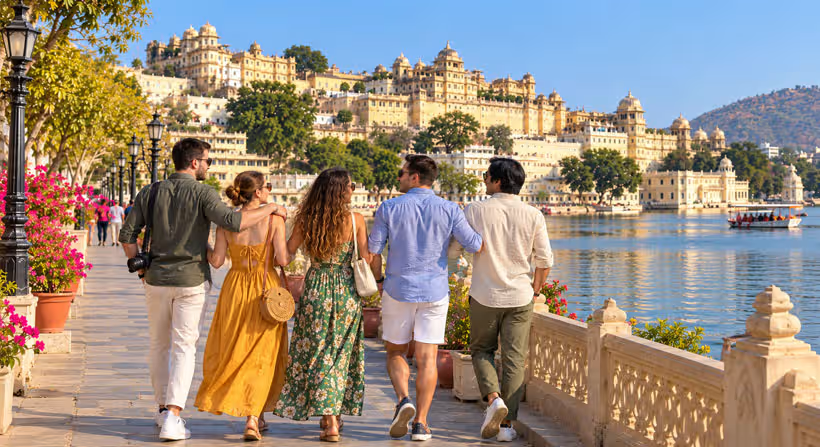
Begin with City Palace, allowing time for its galleries, courtyards and lake views. Afterwards, choose a small number of nearby attractions rather than filling every hour.
Jagdish Temple, the old streets and Saheliyon Ki Bari are possible additions. A Lake Pichola boat ride can provide a different perspective, subject to current operations and conditions.
Keep an unplanned part of the afternoon. Udaipur rewards a little stillness, whether that means sitting beside the water, browsing local shops or taking a long lunch.
If sunset views are important, choose one location and allow travel time. Chasing several viewpoints can leave you watching the best light from the back of a car.
This final full day should feel like a conclusion, not another test of how much you can fit in.
Overnight: Udaipur.
The most comfortable finish is usually to depart from Udaipur rather than drive all the way back to Delhi within the same day.
Check available flights for your travel date before booking hotels and international tickets. If you need a domestic connection before an international departure, allow a sensible buffer, particularly with separate tickets.
An additional night in Delhi may be worthwhile when a missed connection would create serious disruption.
If you must return by road, add time to the itinerary. The final day should not depend on a long, tiring transfer followed immediately by an important flight.
If you want to include Ranthambore, compare our Rajasthan Wildlife and Heritage Tour. Allow dedicated time for the wildlife portion rather than adding a safari to an already crowded transfer day.
The figures below are broad planning ranges. Hotel locations, chosen roads, traffic, construction and stops can change both distance and duration.
| Route | Approximate Distance | Allow for Driving |
|---|---|---|
| Delhi to Agra | Approximately 210 to 240 km | 4 to 5 hours |
| Agra to Jaipur | Approximately 240 to 260 km | 4.5 to 6 hours |
| Jaipur to Bikaner | Approximately 330 to 350 km | 5.5 to 7 hours |
| Bikaner to Jaisalmer | Approximately 330 km | 5.5 to 7 hours |
| Jaisalmer to Jodhpur | Approximately 280 to 300 km | 5 to 6 hours |
| Jodhpur to Udaipur | Approximately 250 to 300 km, depending on route | 5 to 6 hours, plus a Ranakpur visit if included |
A Rajasthan road trip budget depends heavily on hotel choices, passenger numbers and the type of vehicle. A couple sharing a car will pay more per person for transport than four adults sharing the same vehicle.
The clearest approach is to separate transport, accommodation, food and activities. Avoid comparing two package totals until you know what each includes.
Request a quotation for the exact 14-day route, not simply a daily rate. Ask whether the price includes local sightseeing, airport transfers, fuel, tolls, parking, driver allowances and any vehicle return charges.
For example, if an operator quotes ₹100,000 for transport, that is approximately US$1,124 using an illustrative rate of ₹89 to US$1. Two people would each pay ₹50,000, while four people would each pay ₹25,000.
This is a calculation example, not a published selling price or confirmed quotation. The final amount must come from your operator.
Accessible road-trip guidance lists broad hotel examples from ₹800 to ₹2,000 for simple accommodation, ₹3,000 to ₹8,000 for mid-range properties and ₹10,000 to ₹35,000 for some premium stays.
At the same illustrative exchange rate, those ranges are approximately US$9 to US$22, US$34 to US$90, and US$112 to US$393 per room per night.
These are broad comparisons, not promises of availability or quality. Premium palace hotels can cost more, while location, taxes, meals and seasonal demand may change the final price.
Set a separate allowance for meals, monument tickets, local guides and optional experiences. International and domestic visitor ticket categories may differ, so check the applicable official prices.
Desert camps, private dinners and special activities can noticeably increase the total. Choose the experiences you genuinely want rather than adding every available upgrade.
Keep a contingency for unexpected changes, and remember that shopping, tips, domestic flights and travel insurance may sit outside the main tour budget.
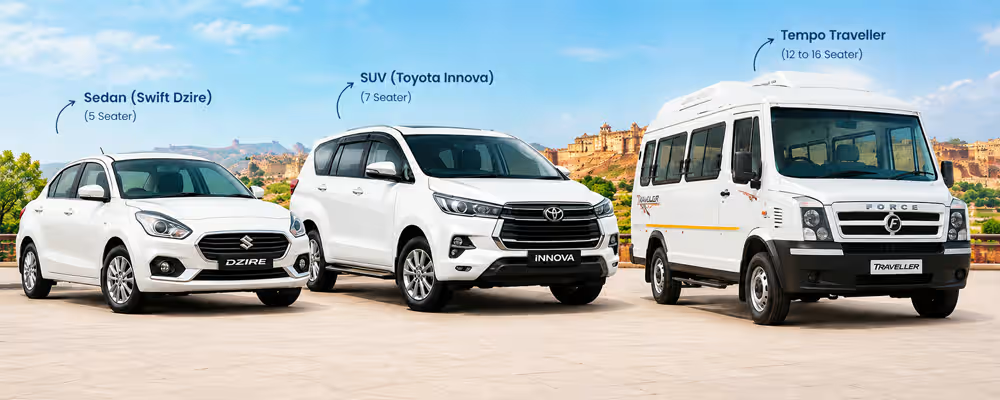
Choose your vehicle according to your group size, luggage and comfort needs. Confirm the exact model and luggage space before booking.
A sedan is an economical choice for one or two travellers with modest luggage. It suits regular city-to-city routes across Rajasthan. Check that your suitcases fit in the boot without using passenger seats.
An SUV is worth considering for families or travellers wanting more space on long journeys. Confirm the seating layout, luggage capacity and ease of boarding, as these vary between models.
A Tempo Traveller lets larger families and groups travel together. Ask about passenger capacity, air conditioning, seat belts and luggage storage. Check hotel access, especially in narrow old-city lanes.
For more booking questions and transport comparisons, read our Rajasthan private driver cost and booking guide.
Self-driving may appeal to travellers who already have relevant experience and are comfortable with local traffic conditions. It also brings responsibility for navigation, parking, vehicle checks, paperwork and unfamiliar situations.
For many international first-time visitors, a professional driver makes the journey less demanding. You can focus on the landscape and arrive without the fatigue of handling a long transfer.
However, hiring a driver does not mean accepting unlimited working hours. Agree on a realistic schedule with rest breaks and avoid unnecessary night driving.
Your driver is also not automatically a monument guide. Ask separately about guided visits, language requirements and whether guide fees are included.
A hotel should suit the way you travel, not only look attractive in photographs. Check access, walking distances, noise and room features before booking.
In Jaipur, compare old-city atmosphere with easier vehicle access in less congested areas. A heritage haveli can be memorable, but ask about stairs and parking.
In Bikaner, choose a location that supports your short stay. Long local transfers are less appealing when you have only one night.
Jaisalmer accommodation ranges from atmospheric historic buildings to more accessible hotels outside the tightest lanes. Ask how luggage reaches the property.
In Jodhpur, a rooftop fort view may be lovely, but sound, stairs and vehicle access matter too. Confirm whether a lift is available if you need one.
Lake-facing and old-city hotels offer atmosphere, while properties farther out may provide easier access and more space. Check whether a “lake view” belongs to your actual room or only to a shared terrace.
Across every city, recent guest feedback about cleanliness, noise and staff responsiveness is often more useful than a dramatic promotional photograph.
Remove Bikaner and the Jaisalmer desert section if long drives do not appeal to you. Use the additional nights in Jaipur, Jodhpur and Udaipur, with an optional Pushkar stay.
Consider adding Mandawa or another Shekhawati base for frescoed havelis. This is best done by replacing a stop or extending the itinerary, not by turning a transfer into a marathon.
Ranthambore needs dedicated time and separate safari planning. Do not treat a wildlife stop as a guaranteed tiger sighting or a quick addition between two already distant cities.
Reduce hotel changes, include regular breaks and alternate major attractions with simpler experiences. A pool afternoon or short craft activity can be more rewarding than a third palace visit in one day.
Rajasthan’s food deserves time of its own. Look for dal baati churma, gatte ki sabzi, ker sangri and local breads. Travellers who eat meat may also be interested in laal maas.
Jaipur and Jodhpur offer well-known snacks and sweets, while a desert stay may introduce you to a different style of meal. Ask about spice levels and dietary requirements rather than assuming every dish can be adjusted at the last moment.
Choose freshly prepared food and drinking water from a source you trust. If you have a serious allergy, communicate it clearly and do not rely only on a driver’s informal explanation.
You do not need a famous restaurant at every stop. Sometimes a clean, well-chosen lunch break is exactly what a transfer day needs.
Pack for the activities you will actually do. Large bags become inconvenient when hotels are reached through narrow lanes or require several flights of stairs.
A five-hour drive is not a five-hour day once breakfast, check-out, luggage, lunch and hotel arrival are included. Plan the full experience rather than the map estimate alone.
Compare inclusions, vehicle condition, cancellation terms and support arrangements. A low base quote may not include the same services as a more complete quotation.
After a fort visit and a long drive, an ordinary dinner may be the right choice. Leave some evenings unplanned.
Small timing adjustments are different from adding another city. Confirm how additional distance, extra nights and major route changes affect the cost.
Check your final transport before confirming the itinerary. An inexpensive hotel route is not helpful if it creates an awkward or risky connection home.
For first-time visitors arriving in Delhi, a useful route is Delhi, Agra, Jaipur, Bikaner, Jaisalmer, the Thar Desert, Jodhpur and Udaipur. It combines the Golden Triangle with several contrasting Rajasthan experiences.
Yes, but choose a shorter route. Jaipur, Jodhpur and Udaipur can form a more manageable introduction than trying to add every desert city and a wildlife park.
Not automatically. A suitable sedan or MPV can serve a standard city-to-city itinerary. Your group size, luggage and specific route matter more than the word “desert” in the destination description.
No. You can visit the dunes and return to Jaisalmer. An overnight camp suits travellers who enjoy the atmosphere and are comfortable with the property’s facilities and evening programme.
Only if your quotation says so. A car-and-driver booking may exclude accommodation, meals, guides, entry tickets and activities. Check every inclusion before comparing prices.
Yes. Starting in Jaipur allows you to remove Delhi and Agra and use those days within Rajasthan. Confirm flight options and any one-way vehicle charges before booking.
You can, but allow additional time. Finishing in Udaipur and using an onward flight may avoid a long return drive. Check actual schedules and connection requirements for your dates.
Book once your dates are firm, particularly for popular winter periods, festivals and small heritage properties. Vehicle and hotel availability depend on the exact dates, not only the month.
A memorable Rajasthan holiday is not measured by how many forts you enter or how many kilometres you cover. It comes from finding a pace that lets the places mean something.
Give Jaipur time beyond its famous façade. Let Jaisalmer be more than a quick drive to the dunes. Leave a little space in Jodhpur for an unplanned walk and a little stillness in Udaipur before the journey ends.
When you enquire with Private Driver India Tour, share your arrival city, departure city, travel dates, passenger numbers and luggage requirements. Mention whether your priorities are photography, architecture, food, family comfort or slower travel.
Those details help shape a route around you, rather than fitting you into a fixed list of stops.
Share your dates, preferred destinations and group size. Ask about a personalised Rajasthan itinerary, suitable private vehicle and a written quotation with clear inclusions.
Hotel availability, road conditions, attraction access and final prices should be confirmed for your travel dates.
Private Driver India Tour, founded in 2006 by Mr. Amit Singh, is dedicated to providing unforgettable travel experiences in North India, led by professional drivers with years of expertise serving global travelers.
More About Us© Private Driver India Tour 2024-26 | All rights reserved.