



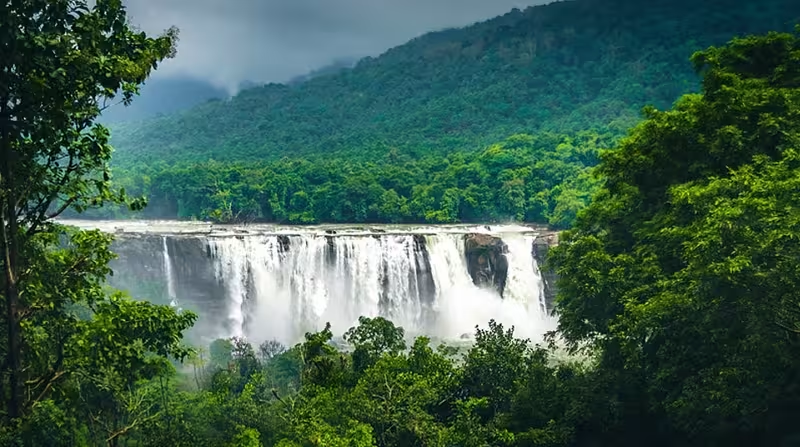
South India is known for its temples, beaches, tea plantations, backwaters and historic cities, but its waterfalls are equally unforgettable. During and after the monsoon, the Western Ghats and surrounding forest regions come alive with rushing rivers, green hills and powerful cascades.
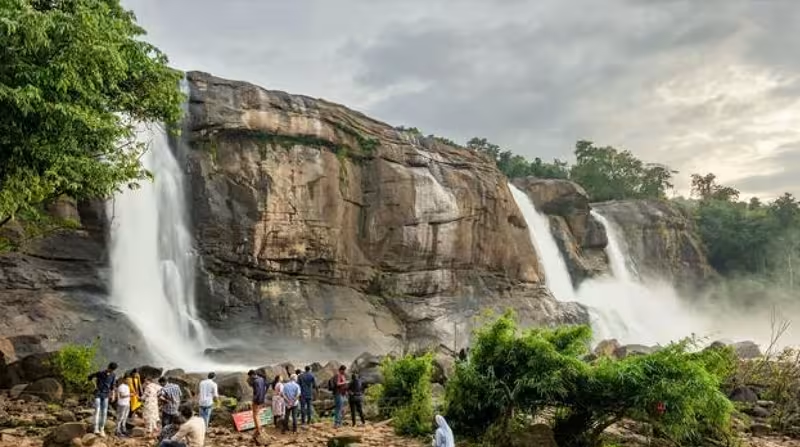
Some waterfalls are easy to reach from popular tourist towns, while others require a short trek, a forest permit or a local jeep ride. A few can be visited as part of a comfortable road trip, while others are best suited to travelers who enjoy walking and adventure.
From the wide and dramatic Athirappilly Falls in Kerala to the powerful Jog Falls in Karnataka and the famous Dudhsagar Falls near Goa, South India offers waterfalls for every kind of traveler. You can enjoy them as part of a Kerala holiday, a Karnataka heritage route, a Tamil Nadu road trip or a private car and driver journey through the Western Ghats.
Quick answer: The best waterfalls in South India include Athirappilly Falls, Vazhachal Falls, Jog Falls, Dudhsagar Falls, Hogenakkal Falls, Pykara Falls, Courtallam Falls, Soochipara Falls, Meenmutty Falls and Shivanasamudra Falls.
Waterfalls bring together some of the best parts of South India travel. They are surrounded by forests, mountains, plantations and rural landscapes, so the journey to the waterfall is often as enjoyable as the viewpoint itself.
Many waterfalls are located near popular destinations such as Munnar, Coorg, Wayanad, Ooty, Thekkady and Mysore. This makes it easy to include them in a larger itinerary without spending your entire holiday traveling to remote locations.
Waterfalls also look different throughout the year. During the dry season, the flow may be gentle and the rocks may be easier to explore. During the monsoon, the same waterfall can become wide, powerful and dramatic. The rainy season creates the most impressive views, but it also brings slippery paths, stronger currents and possible access restrictions.
For families and senior travelers, some waterfalls offer safe viewpoints that do not require long walks. Adventure travelers may prefer waterfalls with forest trails, natural pools or guided treks. A private car and driver can help you choose the right access point according to your group’s comfort level.
The best time to see waterfalls in full flow is usually during or just after the monsoon. In much of South India, July to September can bring strong water flow and lush green landscapes.
July and August often offer dramatic waterfall views, but these months may also bring the highest safety risks. Heavy rain can make paths slippery and lead to temporary closures. Flash floods are possible in narrow valleys and forest streams.
Late September and October can provide a good balance between water flow, clearer skies and safer walking conditions. November to February is more comfortable for general sightseeing, but some waterfalls may have less water.
The best season varies by state and waterfall. Kerala’s waterfalls may be strongest during the southwest monsoon, while Tamil Nadu and Karnataka can have different rainfall patterns. Always check local conditions before starting a trek or swimming activity.
| Season | Waterfall Conditions | Travel Advice |
|---|---|---|
| June to September | Strong flow and very green surroundings | Check closures and avoid unsafe water areas |
| Late September to October | Good flow with improving weather | Good for photography and road trips |
| November to February | Comfortable weather, variable water flow | Best for general sightseeing |
| March to May | Lower water flow at some locations | Good for accessible viewpoints and hikes |
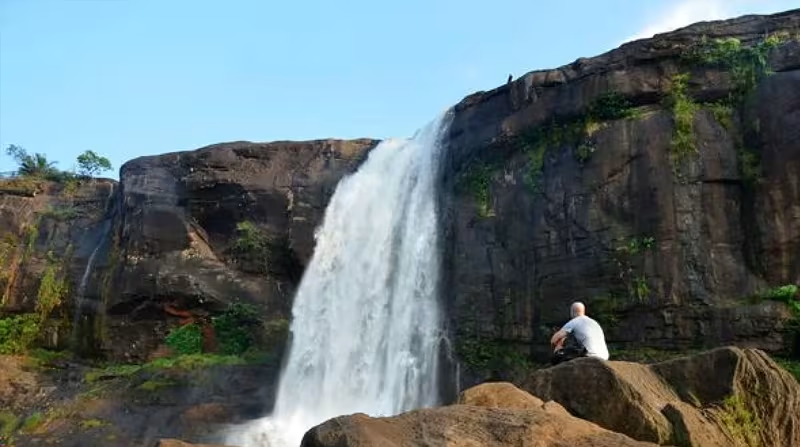
Athirappilly Falls is one of the most famous waterfalls in South India and one of Kerala’s most impressive natural attractions. It is often described as the “Niagara of South India” because of its broad cascade and powerful flow.
The waterfall is surrounded by dense forest and can be viewed from different areas. The main viewpoint provides a wide view of the water falling over the rocky cliff, while lower viewpoints offer a closer perspective when access is permitted.
Athirappilly is not only a waterfall destination. The surrounding landscape includes forests, rivers and smaller cascades such as Vazhachal Falls. The route through the Thrissur district is scenic, especially during the monsoon and immediately afterward.
June to September usually brings strong water flow, but access can be restricted during heavy rain. October and November can offer a good mix of greenery and more manageable weather.
Athirappilly can be reached by road from Kochi, Thrissur or Chalakudy. A private car and driver is one of the most comfortable options because the waterfall is best combined with nearby attractions and rural stops.
Do not cross barriers or attempt to swim near the main falls. Currents become extremely strong during the monsoon, and areas that appear calm can contain hidden currents.
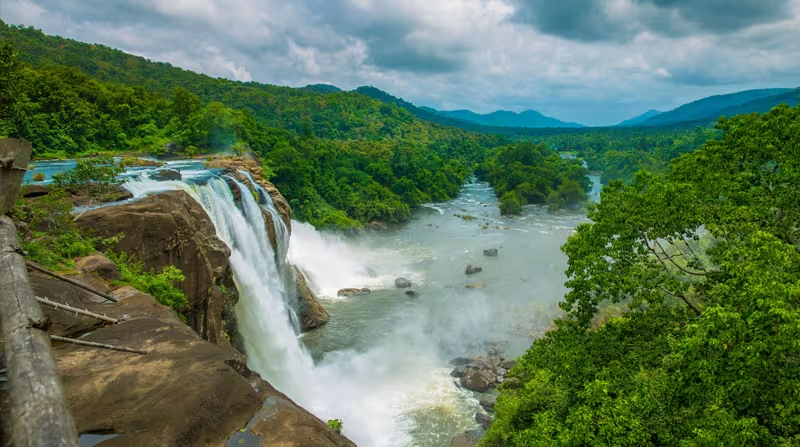
Vazhachal Falls is located near Athirappilly and is often included in the same day trip. Instead of one tall vertical drop, Vazhachal spreads across rocky sections of the river, creating a powerful and natural forest scene.
The surrounding trees and river rocks give the waterfall a different character from Athirappilly. It is a good place to slow down, listen to the sound of water and enjoy the forest atmosphere.
Because the river can become dangerous during heavy rain, visitors should stay within designated areas. Local authorities may restrict access when the water level rises.
Vazhachal is best for travelers who want to combine two waterfalls in one trip, photographers, families who prefer viewpoint-based sightseeing and visitors exploring Kerala by private car.
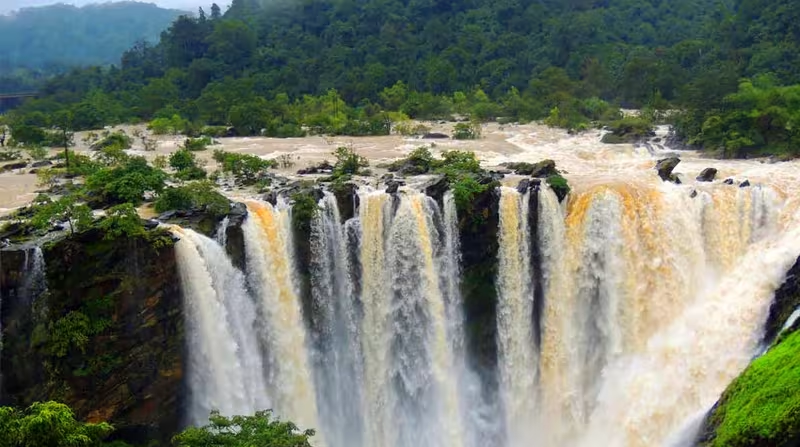
Jog Falls is one of Karnataka’s most famous waterfalls and one of the most dramatic waterfall viewpoints in South India. During the monsoon, the water plunges down the rocky landscape in separate streams, creating a powerful view.
The waterfall is associated with the Sharavathi River and the surrounding forested hills. Its appearance changes depending on rainfall and water releases in the region.
Jog Falls is best enjoyed from the main viewpoint, especially during the monsoon. Some routes may include steps or steep paths, so comfortable shoes are recommended.
July to September is usually the best time for strong water flow. The waterfall may be less powerful during the dry months, but clearer weather can make the surrounding landscapes easier to explore.
Jog Falls is located away from some of Karnataka’s major tourist cities. A private car with driver can be useful for combining it with nearby hill and heritage destinations.
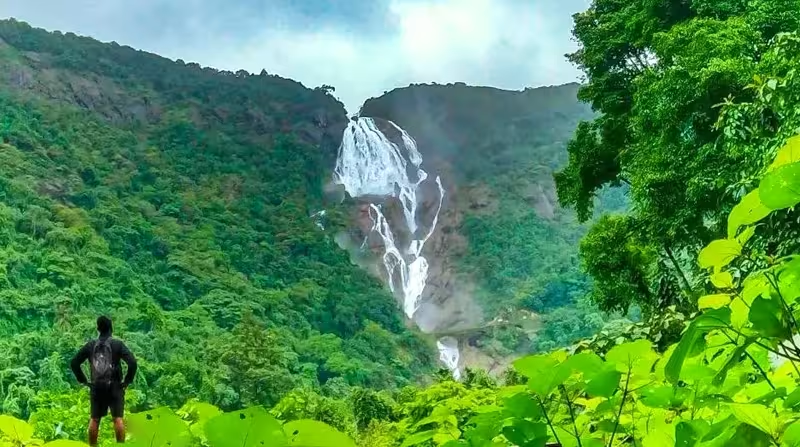
Dudhsagar Falls is one of the most famous waterfalls in India. Its name means “Sea of Milk,” a reference to the white appearance of the water as it falls through the forested landscape.
The waterfall is located in the Western Ghats and is associated with the Bhagwan Mahavir Wildlife Sanctuary and Mollem National Park region. The railway bridge and surrounding forest create an iconic landscape.
Dudhsagar is more adventurous than many other waterfalls on this list. Access may involve a forest jeep, train route, guided trek or other regulated arrangements depending on the season and local rules.
The monsoon can create the most impressive water flow, but access may be restricted during heavy rain. Late monsoon or the months immediately after can offer a better balance between water flow and accessibility.
Do not attempt to reach Dudhsagar through an unofficial or closed route. Forest roads can become dangerous during heavy rain, and local access rules may change. Use authorized transport or a registered guide.
Dudhsagar is ideal for adventure travelers, photographers, trekkers and visitors who enjoy forest journeys. It may not be the easiest choice for very young children, elderly travelers or anyone uncomfortable with rough transport.
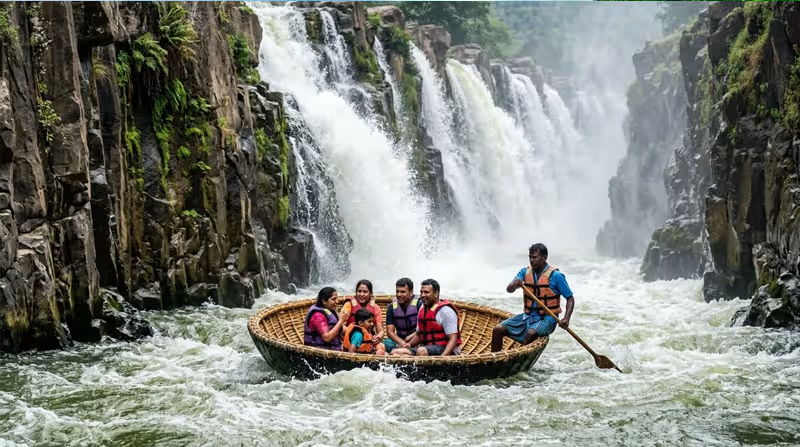
Hogenakkal Falls is located on the Kaveri River and is one of Tamil Nadu’s best-known waterfall destinations. The river flows through rocky formations, creating a dramatic landscape and a series of cascades.
Hogenakkal is sometimes called the “Niagara of India” because of its powerful river scenery. The destination is also known for traditional coracle rides, although these may be restricted during periods of strong current or unsafe water conditions.
The area offers a different experience from the forest waterfalls of Kerala. The landscape is more rugged, and the river plays a central role in local life.
After the monsoon, the river usually has stronger flow. Always check local conditions before booking a coracle ride.
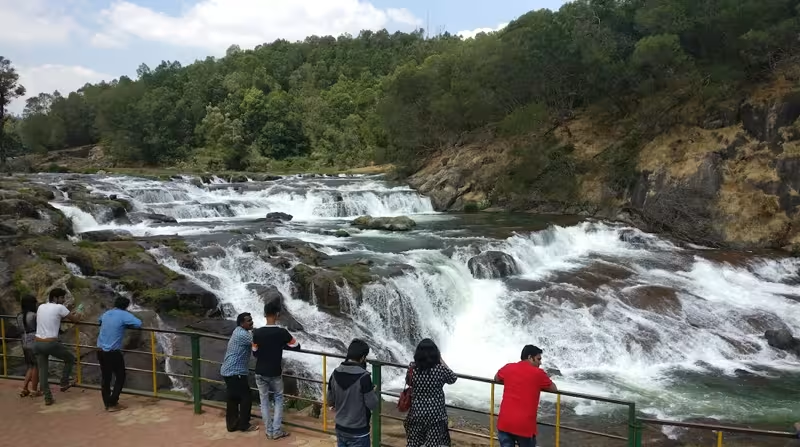
Pykara Falls is located near Ooty in the Nilgiri Hills. The waterfall is surrounded by forested mountains, lakes and winding roads, making it a popular part of an Ooty sightseeing itinerary.
The waterfall itself is attractive, but the journey through the Nilgiris is also part of the experience. The road passes through tea gardens, eucalyptus trees and mountain viewpoints.
Pykara Lake and the surrounding landscape can be included on the same day. Visitors may also enjoy a boat ride at the lake if services are operating.
Pykara is best for families, couples and travelers exploring Ooty. It is easier to access than some remote waterfall treks and can be visited as part of a private car tour.
Ooty weather can change quickly. Carry a light jacket and comfortable shoes, even when traveling during warmer months.
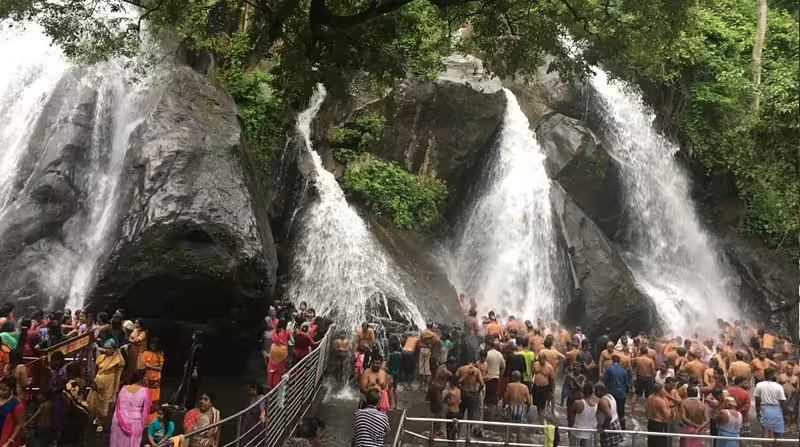
Courtallam, also known as Kutralam, is one of Tamil Nadu’s popular waterfall destinations. The area includes several waterfalls surrounded by hills, forests and traditional bathing areas.
Courtallam is known for its seasonal flow and is often visited by families and local travelers. Some falls have designated bathing areas, but conditions vary according to water level, rainfall and local instructions.
The destination is associated with the Western Ghats and can be included in a southern Tamil Nadu itinerary covering Madurai, Kanyakumari, Tirunelveli or Rameswaram.
The monsoon and post-monsoon periods are generally the most attractive, but access and bathing rules can change. Always follow local safety advice.
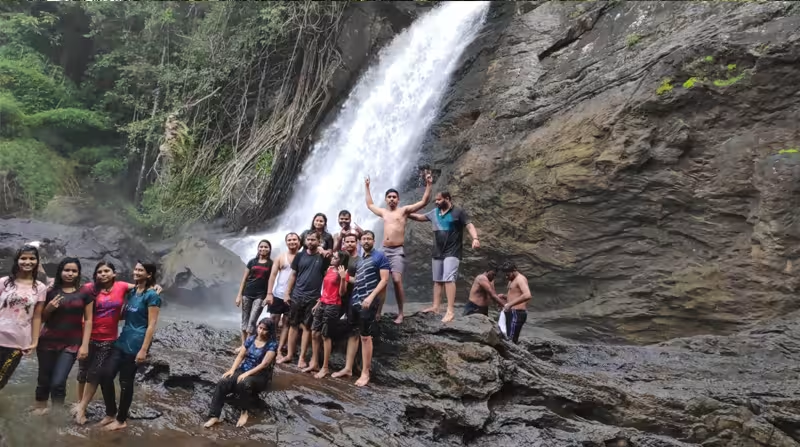
Soochipara Falls, also known as Sentinel Rock Waterfalls, is located near Wayanad. The waterfall is surrounded by forest and rocky landscapes, offering a more adventurous experience than a simple roadside viewpoint.
Visitors may need to walk through a forest path to reach the waterfall area. The trail can become slippery during the monsoon, so good footwear is essential.
Soochipara is popular with travelers who enjoy nature walks, photography and short treks. Swimming or approaching the base may be restricted depending on water conditions.
Soochipara is best for active travelers, photographers and visitors exploring Wayanad. It may not be suitable for travelers with mobility difficulties during heavy rain.
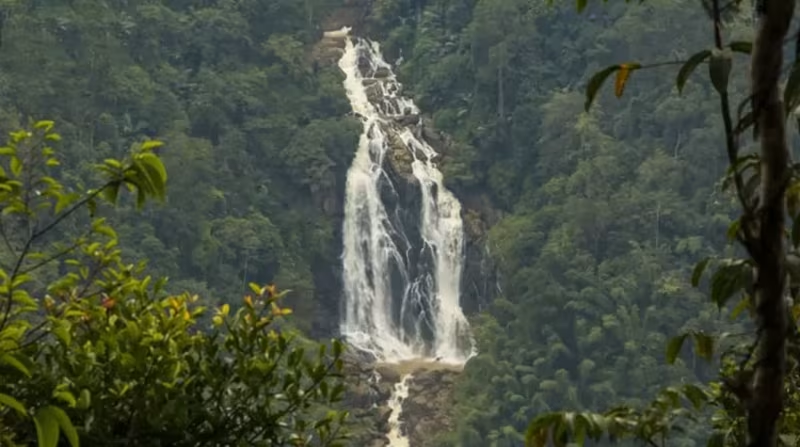
Meenmutty Falls is one of the most beautiful waterfalls in Wayanad. It is located in a forested area and usually requires a trek or guided walk, which makes the experience feel more adventurous.
The waterfall is surrounded by dense greenery, rocks and natural streams. The journey through the forest is part of the attraction, but it also requires good physical preparation.
During heavy rain, trails can become slippery and access may be closed. Check with local authorities or your accommodation before planning the visit.
Meenmutty is best for trekkers, nature lovers and travelers who want to go beyond easy-access sightseeing.
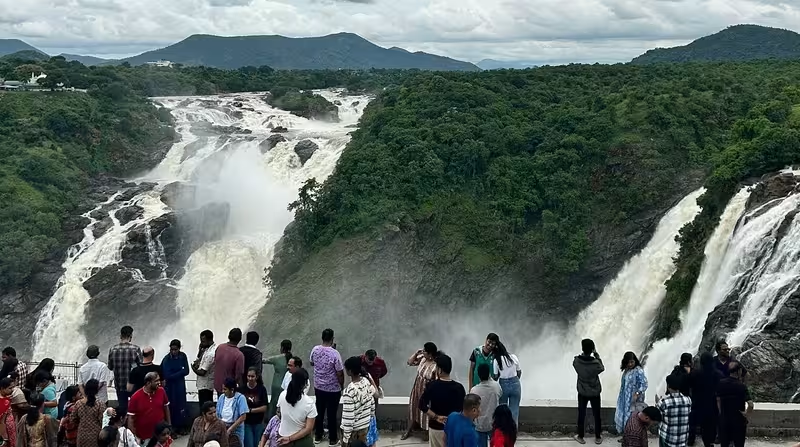
Shivanasamudra Falls is located on the Kaveri River and includes two main sections, Gaganachukki and Bharachukki. The waterfall is surrounded by rocky landscapes and greenery, especially after the monsoon.
It is a popular day trip from Bangalore or Mysore. The route can be combined with heritage sites, temples and rural scenery.
The falls can become crowded during weekends and holidays. A weekday visit may provide a more relaxed experience.
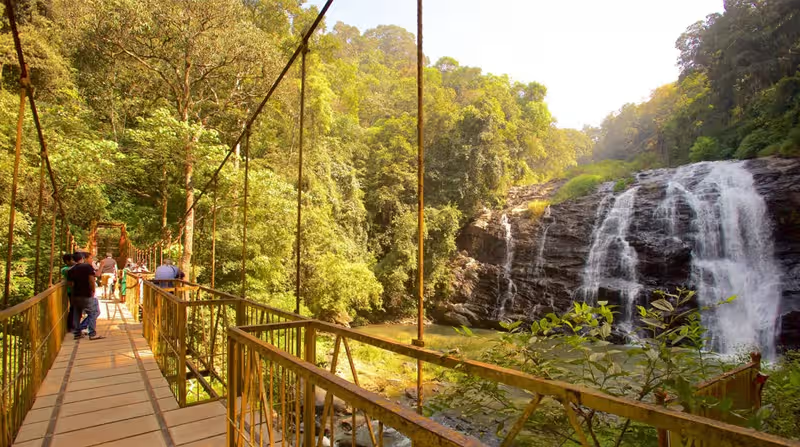
Abbey Falls is located near Madikeri in Coorg and is one of the most popular attractions in the region. The waterfall drops through a green forested landscape and can be reached by a short walk from the parking area.
The waterfall is surrounded by coffee and spice plantations, making it an easy addition to a Coorg itinerary. It can become crowded during weekends, but early morning visits are usually more peaceful.
Swimming is not recommended at the falls because rocks may be slippery and the current can change after rain.
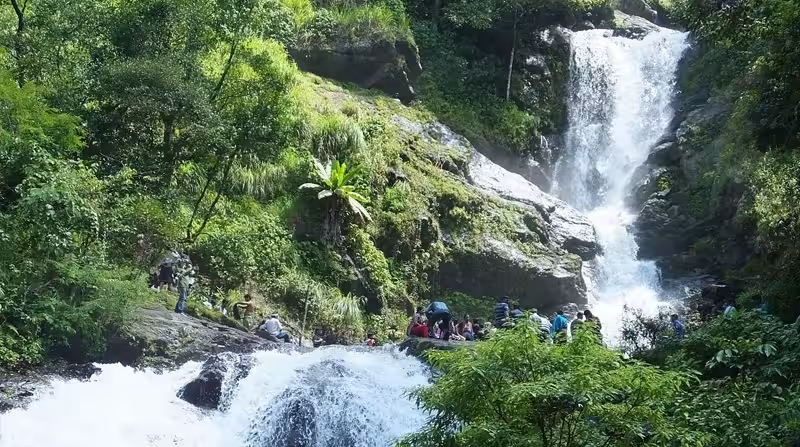
Iruppu Falls is located in the Kodagu region and is associated with forest scenery, temples and the Brahmagiri landscape. It is a peaceful destination for visitors exploring Coorg and nearby wildlife areas.
The waterfall is especially attractive during and after the monsoon. Visitors should follow local instructions and remain within permitted zones.
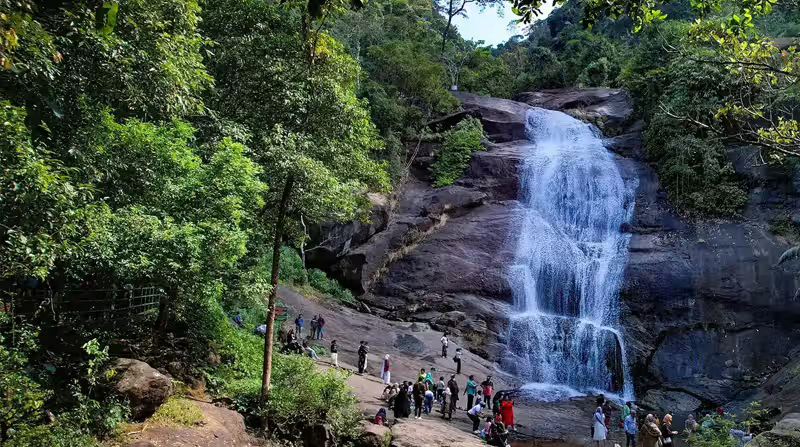
Thusharagiri Falls is located in the Kozhikode district and is known for a series of cascades surrounded by forested hills. The name is associated with water falling like snow or mist.
The region is suitable for short walks, nature experiences and light trekking. During the monsoon, trails can become slippery, so local guidance is recommended.
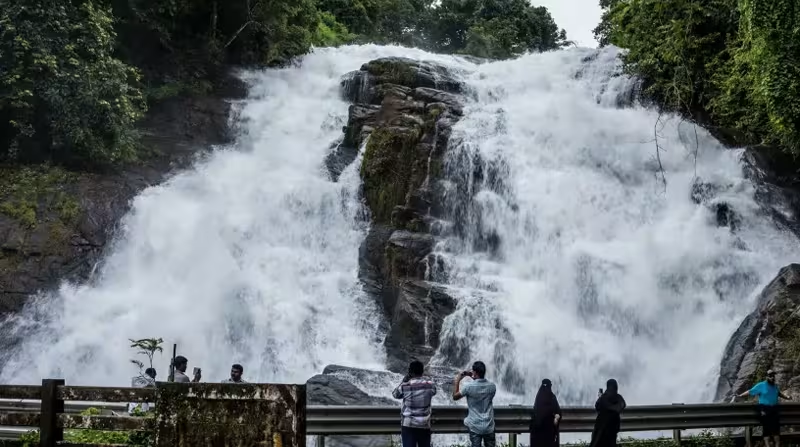
Travelers who visit Athirappilly can often combine it with Charpa Falls and Vazhachal Falls, depending on current access and road conditions.
This makes the region particularly rewarding for a private car and driver road trip. You can spend the day moving through forest scenery instead of visiting only one viewpoint.
A private car and driver can be especially helpful for waterfall trips because many waterfalls are located outside major cities. You can travel directly from your hotel, stop at scenic viewpoints and avoid coordinating multiple local vehicles.
A practical Kerala route may include Kochi, Athirappilly, Munnar, Thekkady and Wayanad depending on the number of days available.
A Karnataka route can include Bangalore, Mysore, Coorg, Shivanasamudra and Jog Falls, although these destinations are spread across a large area.
A Tamil Nadu route may include Ooty, Pykara, Kodaikanal, Courtallam and Hogenakkal depending on the season and travel direction.
Waterfalls are beautiful, but they can become dangerous very quickly. The most serious risks are slippery rocks, strong currents, flash floods, unstable edges and unofficial trails.
During the monsoon, the rain itself is not always the biggest danger. The real risks are flash floods, slippery rocks, hidden currents and entering routes that local authorities have closed.
Families can enjoy many South India waterfalls, but not every location is suitable for young children. Choose destinations with clear viewpoints, parking facilities and short walking routes.
Athirappilly, Pykara, Abbey Falls and Shivanasamudra can be more manageable for families than remote forest waterfalls requiring long treks.
Keep children away from river edges, wet rocks and pools. Do not let them walk ahead on forest paths without an adult.
Senior travelers can visit waterfalls comfortably when the itinerary focuses on accessible viewpoints. A private car allows you to stop close to the viewing area and avoid unnecessary walking.
Ask about steps, slopes, parking distance and seating before visiting. Avoid difficult trails during or immediately after heavy rain.
Waterfalls can be beautiful romantic destinations, particularly during the early morning when the surroundings are quiet and misty.
Couples can combine waterfall visits with plantation stays, hill resorts, scenic drives and local meals. Munnar, Coorg, Wayanad and Ooty are especially suitable for a romantic nature itinerary.
Do not risk climbing wet rocks for photographs. A safe viewpoint is better than an unsafe close-up picture.
Do not select waterfalls only because they look close on a map. Mountain roads, forest access and weather can make short distances take much longer.
Waterfalls may close during heavy rain, high water levels, forest restrictions or maintenance. Confirm access before leaving your hotel.
Staying near the waterfall or nearby town can reduce travel time. For remote locations, check whether the hotel can arrange a local jeep or guide.
Early visits offer better light, fewer crowds and cooler walking conditions. They also leave time to change the plan if weather changes.
A private driver can help with road navigation, parking, local advice and combining several waterfalls in one day. It is particularly useful for families and groups carrying luggage or camera equipment.
The best waterfall trips are not only about reaching the final viewpoint. Give yourself time to enjoy the road. Stop for local tea, photograph the changing landscape and notice how the scenery changes from villages to forests to hills.
Carry less luggage when possible. A small day bag is easier to manage on wet paths. Keep your main bags safely in the vehicle or at your hotel.
Do not plan too many waterfall visits in one day. One major waterfall and one nearby viewpoint is usually enough. Rushing from one place to another can make the day tiring and reduce the enjoyment.
Athirappilly Falls, Jog Falls and Dudhsagar Falls are among the most famous. The best choice depends on whether you prefer an easy-access viewpoint, a powerful monsoon cascade or an adventurous forest journey.
July to September usually offers strong water flow, while late September and October can provide a good balance between water levels and safer weather. Always check local conditions before visiting.
Yes, if you follow local rules, stay behind barriers, avoid swimming, use proper footwear and do not enter closed trekking routes. Heavy rain can create flash floods and strong currents.
Yes, but families should choose accessible waterfalls with safe viewpoints and avoid slippery edges, deep water and unofficial trails.
Swimming is permitted only at selected locations and only when local authorities allow it. During the monsoon, swimming near major waterfalls is often prohibited and dangerous.
Munnar and the surrounding region include several waterfalls and scenic cascades. The exact availability and access can vary by season, rainfall and local restrictions.
Abbey Falls is one of the most popular waterfalls near Coorg. Iruppu Falls and other seasonal cascades can also be included depending on your route.
Yes. A private car with driver is a convenient option for waterfall tours because many waterfalls are located outside major cities. The driver can help with routes, parking, stops and local access information.
Many roads remain open, but conditions can change quickly. Check weather warnings, avoid night driving in remote areas and follow local authority instructions.
One or two nearby waterfalls are usually enough. Visiting too many distant sites creates a rushed and tiring itinerary.
South India’s waterfalls are more than scenic stops on a travel map. They are places where the landscape feels alive. The air becomes cooler, the forest becomes deeper and the sound of falling water creates a natural rhythm that is difficult to forget.
Athirappilly gives you a grand Kerala experience. Jog Falls and Shivanasamudra reveal Karnataka’s powerful river landscapes. Dudhsagar adds adventure, while Hogenakkal and Courtallam show the natural beauty of Tamil Nadu. Pykara, Abbey Falls, Soochipara and Meenmutty offer quieter experiences among hills and forests.
Plan your trip with respect for the weather and the environment. Visit during the right season, follow local safety rules and never cross barriers for a photograph.
A private car and driver can make a waterfall journey more comfortable because you can travel at your own pace and combine waterfalls with tea plantations, heritage cities, beaches and wildlife destinations.
The most beautiful waterfall trip is not necessarily the one with the most locations. It is the one where you have enough time to enjoy the road, hear the forest, feel the mist and return safely with a memory that stays with you.
Explore South India’s waterfalls, tea plantations, forests and hill towns with a private car, experienced driver and customized itinerary designed around your travel dates.
Private Driver India Tour, founded in 2006 by Mr. Amit Singh, is dedicated to providing unforgettable travel experiences in North India, led by professional drivers with years of expertise serving global travelers.
More About Us© Private Driver India Tour 2024-26 | All rights reserved.