



Planning your first trip to South India can feel exciting, but it can also feel slightly confusing. The region is large, culturally diverse and full of beautiful places. Kerala has peaceful backwaters and tea-covered hills, Tamil Nadu is known for ancient temples and coastal heritage, Karnataka offers royal palaces, coffee plantations and historic ruins, while Andhra Pradesh and Telangana add their own distinctive landscapes and traditions.
South India is not one single travel experience. It is a collection of different journeys that can be combined according to your time, interests, budget and comfort level. You can spend a week exploring Kerala, follow a temple route through Tamil Nadu, discover Mysore and Coorg in Karnataka or create a longer multi-state road trip.
The most important planning decision is to avoid covering too much in too little time. South India looks manageable on a map, but road journeys through the Western Ghats, coastal highways and busy cities can take longer than expected. A carefully planned route with fewer destinations is usually more enjoyable than a rushed itinerary with constant hotel changes.
Quick answer: First-time visitors should choose one main South India region instead of trying to cover everything. Kerala is ideal for a 7-to-10-day introduction, while Tamil Nadu and Karnataka are better for travelers interested in temples, heritage, wildlife and hill stations.
South India generally includes the states of Kerala, Tamil Nadu, Karnataka, Andhra Pradesh and Telangana, along with the Union Territory of Puducherry. Goa is also frequently included in South India travel plans because of its location, beaches and convenient connections.
Each state has its own language, cuisine, architecture, traditions and landscapes. This diversity is one of the main reasons South India is such a rewarding part of India to explore.
Kerala is known for backwaters, beaches, tea plantations, Ayurveda, wildlife, spice gardens and tropical scenery. Popular destinations include Kochi, Munnar, Thekkady, Alleppey, Kumarakom, Varkala, Kovalam and Wayanad.
Tamil Nadu is ideal for travelers interested in ancient temples, Dravidian architecture, classical culture, coastal towns and South Indian cuisine. Chennai, Mahabalipuram, Pondicherry, Thanjavur, Madurai, Rameswaram and Kanyakumari are popular destinations.
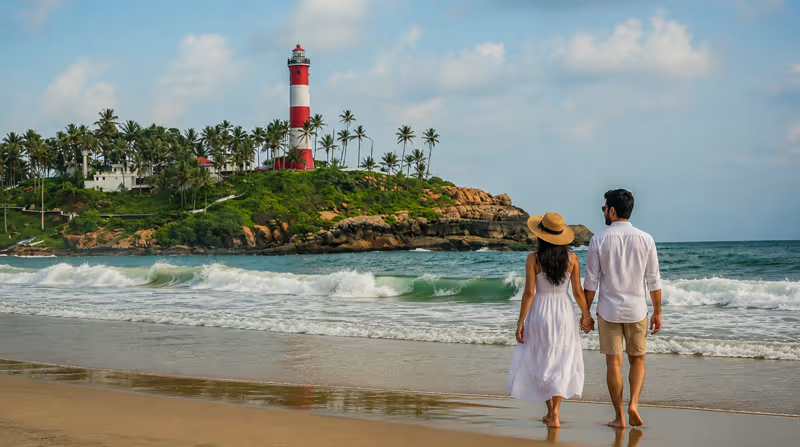
Karnataka combines royal heritage, coffee plantations, forests, beaches, modern cities and ancient ruins. Bangalore, Mysore, Coorg, Hampi, Chikmagalur, Kabini and Gokarna are among the best-known places to visit.
These states offer temples, historic cities, food, forts, Buddhist sites, coastlines and modern urban experiences. Hyderabad, Visakhapatnam, Vijayawada and Tirupati are popular choices depending on the type of journey.
Puducherry is popular for its French-influenced streets, cafés, colonial architecture, beach areas and relaxed atmosphere. It is often combined with Chennai and Mahabalipuram.
Don’t Miss This Hire Private Driver in South India
South India is an excellent choice for travelers who want variety without visiting the same type of attraction every day. You can visit a historic palace in the morning, drive through coffee plantations in the afternoon and enjoy a local dinner in the evening.
The region is also ideal for slow travel. A houseboat journey in Kerala, a plantation stay in Coorg, a temple visit in Tamil Nadu or a heritage walk in Mysore can all be enjoyed without rushing from one landmark to another.
South India is especially rewarding for travelers interested in:
Tourism information and current travel planning sources commonly recommend allowing at least 10 to 14 days if you want to combine several South Indian states. A shorter trip is better focused on one state or one logical circuit.
The right number of days depends on how much of South India you want to see. There is no single itinerary that works for every traveler.
Choose one state or a compact route. Kerala is the easiest choice, with Kochi, Munnar, Thekkady and Alleppey. Another option is a Tamil Nadu heritage route through Chennai, Mahabalipuram and Pondicherry.
You can explore Kerala properly or combine selected parts of Tamil Nadu and Kerala. A comfortable Kerala route may include Kochi, Munnar, Thekkady, Alleppey and Varkala.
This is a good length for a more varied trip. You could combine Kerala with Tamil Nadu or Karnataka with Mysore, Coorg and Hampi. However, avoid including too many distant destinations.
A longer journey allows you to combine Kerala, Tamil Nadu and Karnataka. You can include temples, beaches, hill stations, wildlife, heritage cities and backwaters without making every day a long transfer.
With a month, you can explore South India slowly and include Goa, Hampi, Kerala, Tamil Nadu, Mysore, Coorg, Pondicherry and selected wildlife regions.
| Trip Length | Best Coverage | Recommended For |
|---|---|---|
| 5–7 days | One state or one compact circuit | Short holidays and first visits |
| 8–10 days | Kerala or selected Kerala-Tamil Nadu route | Balanced first South India trip |
| 10–14 days | Two states or a larger Karnataka route | Travelers wanting more variety |
| 3 weeks or more | Kerala, Tamil Nadu and Karnataka | Slow travel and multi-state exploration |
South India can be visited throughout the year, but the most comfortable months for many routes are October to March. During this period, the weather is generally more suitable for sightseeing, temples, beaches, hill stations and outdoor activities.[85][148]
November to February is especially popular for Kerala backwaters, Tamil Nadu temples, Karnataka heritage sites and coastal travel. Hotels and houseboats may be more expensive around Christmas, New Year and major holidays.
March to May is warmer, particularly in lowland cities and coastal destinations. Hill stations such as Munnar, Ooty, Coorg and Chikmagalur can provide cooler conditions, although road journeys may still take time.
The monsoon season affects different parts of South India at different times and intensity. Kerala receives substantial rain during the southwest monsoon, while some parts of Tamil Nadu receive important rainfall later in the year. Monsoon travel can be beautiful, but road transfers, boat rides and outdoor activities require flexibility.
Plan Your Trip Better Best South India Itinerary for 10 Days
| Months | Weather | Good For |
|---|---|---|
| October to November | Fresh landscapes after monsoon in many areas | Photography, road trips and culture |
| December to February | Pleasant days and cooler evenings | Best overall sightseeing season |
| March to May | Hot and humid in many cities | Hill stations and early sightseeing |
| June to September | Monsoon rain in many regions | Green scenery, wellness and lower-season travel |
The first step is deciding what you want to experience. Do not begin with a list of every place you have seen online. Start with your travel priorities and then build a route around them.
Choose Kerala with Kochi, Munnar, Thekkady, Alleppey and Varkala. This route includes tea plantations, forests, spices, backwaters, beaches and tropical scenery.
Choose Tamil Nadu with Chennai, Mahabalipuram, Thanjavur, Madurai, Rameswaram and Kanyakumari. The distances can be long, so allow enough time for each stop.
Choose Karnataka with Mysore, Hampi, Badami, Pattadakal and Aihole. You can also add Goa or Bangalore depending on your arrival and departure points.
Consider Varkala, Kovalam, Marari, Gokarna, Pondicherry, Mahabalipuram or Goa. Combine beach time with one or two cultural destinations.
Kerala is known for seafood, coconut-based curries and traditional sadya meals. Tamil Nadu offers dosa, idli, Chettinad cuisine and temple food. Karnataka is known for dishes such as bisi bele bath, Mysore pak, coastal seafood and local coffee.
Kerala offers Ayurveda, yoga, meditation, beach retreats and plantation stays. Choose a reputable centre and check the qualifications of practitioners before booking treatments.
Route: Kochi – Munnar – Thekkady – Alleppey – Kochi
This route is suitable for travelers who want a balanced introduction to Kerala. A seven-day trip will be active, but it includes history, hills, wildlife and backwaters.
Route: Kochi – Munnar – Thekkady – Alleppey – Marari or Varkala – Kochi
This is one of the best routes for first-time visitors because it combines different landscapes without requiring too many intercity flights.
Route: Chennai – Mahabalipuram – Pondicherry – Thanjavur – Madurai – Kanyakumari
This itinerary is ideal for travelers who want temples, architecture, coastal culture and South Indian food. It is more active than the Kerala route and includes several cultural visits.
Route: Bangalore – Mysore – Coorg – Hampi – Bangalore
This route combines urban culture, royal heritage, coffee plantations and ancient ruins. Hampi requires walking and the route includes long transfers, so it is better for active travelers.
Route: Chennai – Mahabalipuram – Pondicherry – Madurai – Munnar – Thekkady – Alleppey – Kochi – Mysore
A 14-day itinerary can combine selected parts of Tamil Nadu and Kerala. However, it is important to use suitable transport and accept that some days will involve longer road journeys.
Travelers who prefer a slower journey should choose either the Tamil Nadu route or the Kerala route rather than combining both.
Kochi is a historic coastal city with colonial architecture, churches, waterfront views, galleries, cafés and spice markets. Fort Kochi and Mattancherry are the most popular areas for first-time visitors.
Munnar is surrounded by tea plantations, forests and mountain viewpoints. It is ideal for nature lovers, photographers and travelers seeking cooler weather.
Thekkady is known for Periyar, spice plantations, forest landscapes and local cultural programs. Wildlife sightings are never guaranteed, but the region offers a strong nature experience.
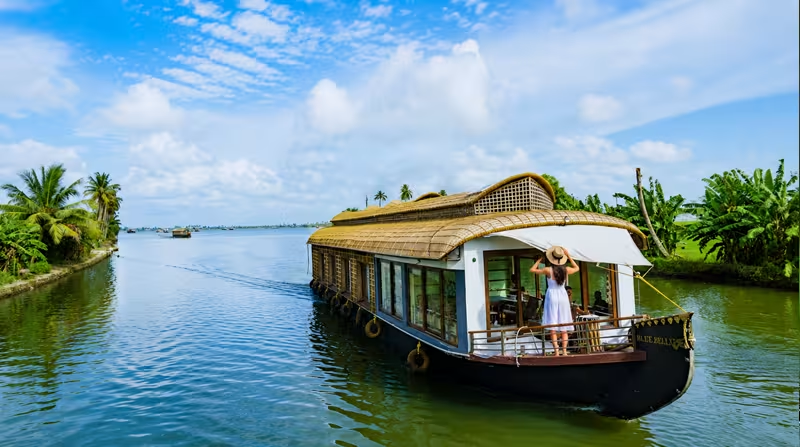
Alleppey is one of the best places to experience Kerala’s backwaters. Choose between a houseboat, backwater resort, village homestay or canoe ride.
Varkala combines a dramatic cliff, beach, cafés, yoga and wellness. It is a good destination for a relaxed coastal stay.
Mahabalipuram is famous for ancient temples, stone carvings and coastal heritage. It is an easy addition to a Chennai or Pondicherry itinerary.
Pondicherry is known for French-influenced architecture, cafés, boutiques, the promenade and a slower coastal atmosphere.
Madurai is a cultural centre famous for Meenakshi Amman Temple, traditional food and lively markets.
Mysore offers royal architecture, markets, gardens, silk products and the famous Mysore Palace.
Coorg is a hill region with coffee plantations, waterfalls, forests and peaceful homestays.
Hampi is known for the ruins of the Vijayanagara Empire, temples, boulder landscapes and historic monuments.
Your choice of transport depends on the route, budget, travel style and comfort level. Many travelers use a combination of flights, trains, private cars and local taxis.
A private car with a professional driver is one of the most convenient ways to explore South India, especially when your route includes several cities, hill stations, rural attractions or heritage sites.
Private transportation allows you to stop for photographs, meals, viewpoints and local experiences. It also reduces the stress of carrying luggage through stations and arranging a new taxi in every destination.
Private Driver India Tour specializes in personalized driving tours, customized itineraries and experienced chauffeurs, which makes a private road journey suitable for travelers who want flexibility and local support.[158]
Before booking a private car, confirm the vehicle category, route, daily hours, driver allowance, fuel, tolls, parking and accommodation arrangements. Ask whether sightseeing inside cities is included or charged separately.
Flights are useful when you want to connect distant regions. Airports in Kochi, Chennai, Bangalore, Hyderabad, Madurai, Trivandrum, Mangalore and other cities can help reduce long travel days.
Domestic flight schedules and fares change, so check the route before finalizing your itinerary. Leave a buffer between a road transfer and your flight.
Trains can be affordable and useful between major cities. They provide a more local travel experience, but station transfers and luggage handling can be tiring.
Book through official or reputable platforms. For overnight journeys, choose a class that matches your comfort level and keep your luggage secure.
Auto-rickshaws, app-based taxis, buses and local cabs are useful for short journeys. Confirm the fare before starting if a meter is not being used.
South India is a destination where the journey between places can be as interesting as the destination itself. A private car allows you to stop at viewpoints, villages, plantation roads, temples and local restaurants that may not be accessible by public transport.
It is particularly useful for:
Private travel does not mean you must follow a rigid schedule. A good driver can help you adjust the day according to weather, traffic and your interests.
Hotels are suitable for travelers who want predictable facilities, reception support and convenient locations. Choose recent reviews over star ratings alone.
Heritage hotels and havelis can provide a more memorable cultural atmosphere. Confirm whether the property has modern facilities, elevators, air conditioning and vehicle access.
Homestays can offer personal interaction and local meals. Read reviews carefully and confirm how far the property is from transport, restaurants and main attractions.
Plantation stays in Coorg, Munnar and Wayanad are excellent for nature lovers. Because they are often outside towns, arrange transport before arrival.
Houseboats in Alleppey and Kumarakom vary greatly in quality. Confirm the number of bedrooms, bathrooms, air conditioning, meals, route and crew before booking.
Beach resorts are popular in Varkala, Marari, Kovalam, Gokarna and Goa. Check whether the beach is accessible, whether swimming is permitted and how far the property is from restaurants.
Food is one of the best reasons to visit South India. Every state has its own flavours, ingredients and cooking traditions.
Travelers with sensitive stomachs should start with mild meals, choose clean restaurants and drink bottled or filtered water.
South India can be traveled on different budgets. The final cost depends on the season, hotel category, number of travelers, vehicle type, activities and route length.
A solo traveler may spend more on private transportation because the cost is not shared, while couples or families can divide the cost of a car and driver. Public transport reduces costs but may require more planning and flexibility.
| Travel Style | Stay | Transport | Suitable For |
|---|---|---|---|
| Budget | Hostels and guesthouses | Public transport and local taxis | Backpackers and flexible travelers |
| Mid-range | Boutique hotels and homestays | Combination of car, train and taxi | Couples and families |
| Premium | Luxury hotels and resorts | Private car, driver and flights | Comfort-focused travelers |
South India is visited by many international travelers, but basic safety habits are important in every destination.
Markets, railway stations, temples and bus stands can be crowded. Keep your phone, wallet, passport and camera secure.
Use hotel-arranged cars, official taxis, app-based rides or reputable private drivers. Confirm the vehicle details before entering.
Plan important arrivals during daylight when possible. If you arrive late, arrange a transfer in advance.
Dress modestly at religious sites, remove shoes when required and follow photography rules.
Save digital and printed copies of your passport, visa, insurance and hotel bookings.
Do not share your hotel room number, exact itinerary or financial details with strangers.
South India can be a wonderful family destination, but children need a slower schedule. Avoid changing hotels every night and include rest periods.
Kerala is especially suitable for families because of backwaters, beaches, wildlife, plantations and family-friendly hotels. Mysore, Coorg and Ooty are also good choices for families interested in nature and heritage.
Carry snacks, water, sunscreen, basic medicines and comfortable clothing. Choose private transportation for long road journeys so you can stop whenever needed.
Couples can combine sightseeing with romantic experiences such as a private houseboat, sunset dinner, plantation stay, heritage hotel or beach resort.
Udaipur is famous for romance in Rajasthan, but South India offers its own romantic experiences in Kerala, Coorg, Pondicherry, Ooty and the beaches of Karnataka.
Keep some free time in your itinerary. A relaxed breakfast, evening walk or local café can be more memorable than another crowded attraction.
Solo women can plan South India successfully with central accommodation, pre-booked transfers, practical clothing, charged phones and realistic routes.
Choose well-reviewed hotels, avoid isolated areas late at night, keep emergency contacts available and use reliable transport. Joining a walking tour, cooking class or group activity can make the journey more social and comfortable.
South India is too large to explore completely during one short holiday. Select one or two regions.
Hill roads and busy cities can make journeys longer than expected. Ask for realistic travel time before booking activities.
Frequent check-ins and check-outs waste time. Stay two or three nights in the main destinations.
Confirm the boat, route, meals, bathroom, air conditioning and crew before payment.
Leave a comfortable buffer before flights. Traffic and delays can affect transfers.
The cheapest option may not provide the comfort, safety or reliability you expect. Compare inclusions and recent reviews.
Responsible travel helps protect the places and communities you visit. Carry reusable bags, avoid single-use plastic when possible and do not leave waste in forests, beaches, villages or backwaters.
Use official wildlife activities and follow instructions inside protected areas. Do not feed animals, disturb birds or approach wildlife for photographs.
Support local artisans by buying genuine products and paying fair prices. Ask permission before photographing people, homes, ceremonies or children.
Choose local guides, family-run stays and community activities when possible. This allows more of your travel spending to benefit the places you visit.
Seven to ten days is enough to explore one main region such as Kerala. Ten to fourteen days allows you to combine selected destinations in Kerala, Tamil Nadu or Karnataka. A multi-state trip is more comfortable with at least two weeks.
A popular first-time route is Kochi, Munnar, Thekkady, Alleppey and Varkala. It combines history, tea plantations, wildlife, spices, backwaters and beaches.
Choose Kerala for backwaters, hills, beaches and wellness. Choose Tamil Nadu for temples, architecture and food. Choose Karnataka for palaces, coffee plantations, wildlife and Hampi.
October to March is generally comfortable for many South India routes. November to February is especially popular for sightseeing, beaches, backwaters and cultural travel.
South India can be visited on different budgets. Accommodation, transport and activities determine the final cost. Public transport and guesthouses reduce expenses, while private cars and luxury hotels increase convenience and price.
Yes. A private driver is especially useful for multi-city routes, hill stations, rural attractions, families, senior travelers and visitors who want flexible sightseeing.
Yes, but you will need to combine trains, buses, taxis, flights and local transport. A private car is often more convenient for hill stations, backwaters, rural areas and routes with several stops.
Try appam and stew, Kerala fish curry, sadya, dosa, idli, sambar, Chettinad dishes, bisi bele bath, Mysore pak, coastal seafood and South Indian filter coffee.
Yes, especially when the itinerary includes comfortable hotels, private transport, shorter sightseeing periods and regular rest breaks. Avoid too many long transfers in a row.
Yes. Kerala, Mysore, Coorg, Ooty and Pondicherry are good choices for families. Plan a slower itinerary with comfortable hotels and private transportation.
Yes, but expect rain and flexible plans. The scenery can be beautiful, but boat rides, hiking and road journeys may be affected by weather.
Planning your first trip to South India becomes much easier when you stop trying to see everything and focus on the experience you want. Kerala, Tamil Nadu and Karnataka each offer enough attractions for a complete holiday.
For a first visit, Kerala is often the easiest choice because it combines Kochi’s history, Munnar’s tea plantations, Thekkady’s forests, Alleppey’s backwaters and the beaches of Varkala or Marari.
If you are passionate about temples and architecture, choose Tamil Nadu. If you prefer palaces, coffee plantations and historic ruins, Karnataka may be the right choice.
Book a logical route, allow realistic travel time, choose comfortable accommodation and keep your itinerary flexible. A private car with an experienced driver can make the journey smoother by providing door-to-door transport, local knowledge and the freedom to stop when you want.
South India is not a destination that should be rushed. Give yourself time to enjoy the food, landscapes, temples, markets, waterways and people. With thoughtful planning, your first South India trip can become one of the most memorable journeys of your life.
Explore South India with a customized itinerary, comfortable private car, experienced driver and flexible travel support designed around your interests and budget.
Private Driver India Tour, founded in 2006 by Mr. Amit Singh, is dedicated to providing unforgettable travel experiences in North India, led by professional drivers with years of expertise serving global travelers.
More About Us© Private Driver India Tour 2024-26 | All rights reserved.