



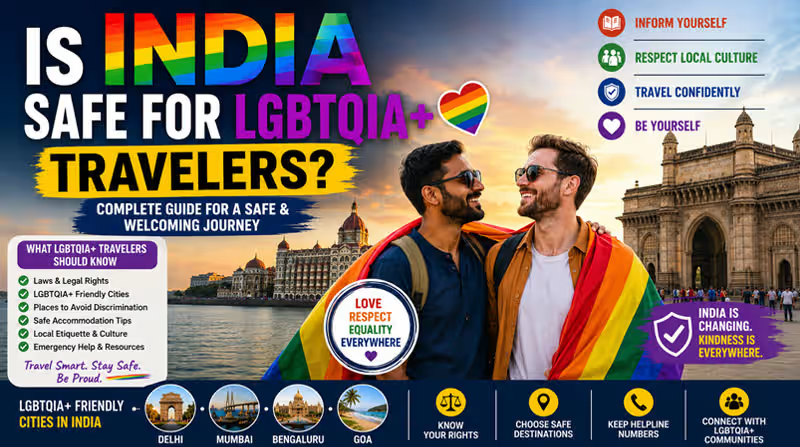
Even though India has decriminalized homosexuality, the question still remains — is India safe for LGBTQIA+ travelers? It is one of the most searched questions among queer travelers planning their first trip to the subcontinent, and it deserves an honest, detailed answer.
The short answer is yes — India is generally safe for LGBTQIA+ travelers, particularly in its major cities and well-established tourist destinations. But like any country with a complex cultural and legal history on this topic, the experience varies enormously depending on where you go, how you travel, and how aware you are of local attitudes and norms.
This guide covers everything an LGBTQIA+ traveler needs to know before visiting India — from the legal landscape and what it means in practice, to the most welcoming cities, practical travel tips, and how to make the most of an extraordinary country while staying comfortable and safe.
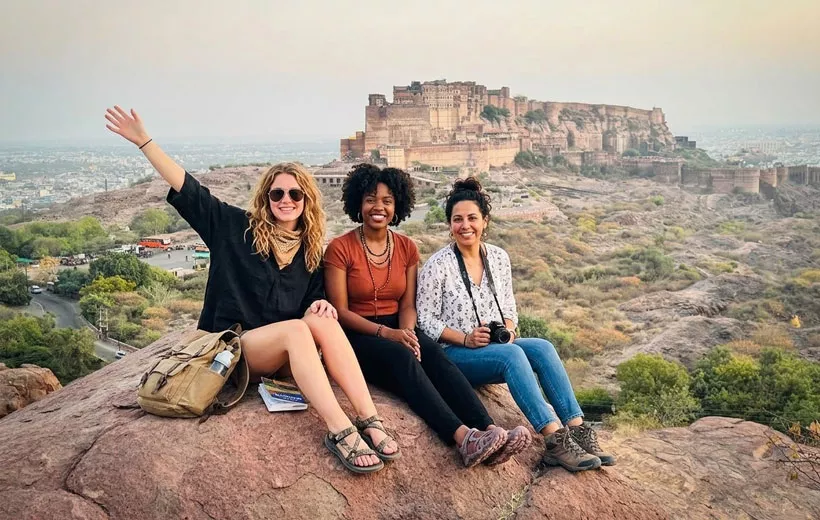
Yes — with awareness and preparation. This is the honest answer, and it is worth unpacking what it means in practice.
LGBTQIA+ travelers to India often benefit from what is sometimes described as “tourist privilege”. Foreign visitors are frequently treated differently than local residents — there is a degree of latitude extended to international travelers that does not always apply equally to Indian LGBTQIA+ individuals. This means that in many situations, particularly in tourist-oriented spaces, LGBTQIA+ visitors from abroad navigate the country with relatively fewer difficulties than a local queer person might face in the same environment.
We have been arranging private, personalised tours across India since 2006. Whether you are planning the Golden Triangle, a Rajasthan circuit, or a longer journey — our team creates fully customised itineraries with hand-picked hotels, private drivers, and licensed guides. Discreet, professional, and planned entirely around your preferences.
India’s major tourist cities — Mumbai, Delhi, Goa, Bangalore, and others, have visible LGBTQIA+ communities, Pride events, and a growing number of queer-friendly venues and hospitality providers. In these urban spaces, the day-to-day experience for most LGBTQIA+ travelers is comfortable and positive.
The picture changes significantly in rural areas, smaller towns, and more conservative regions. In these places, LGBTQIA+ visibility is very low, social attitudes tend to be more traditional, and the absence of queer-friendly spaces means that a higher degree of discretion is simply the practical approach.
The practical summary: India is safe for LGBTQIA+ travelers who travel with awareness, choose their destinations thoughtfully, use reputable accommodations, and exercise the same discretion in public that most local couples — including heterosexual ones, also maintain. It is not a destination where open, visible queer expression in all public spaces is without risk, but for well-prepared travelers, it offers genuinely wonderful experiences.
Indian society is, broadly speaking, still conservative when it comes to gender and sexuality — though this varies enormously by region, generation, and urban versus rural setting. The younger generation in major cities tends to be significantly more open and accepting than older generations or people in more traditional communities.
One thing that surprises many Western visitors is that public displays of affection between men — holding hands, walking with arms around each other, sitting very close — are completely normal in Indian culture and carry no romantic or sexual implication whatsoever. It is simply how close male friends interact. Do not mistake this for a sign of widespread social acceptance of same-sex relationships — the two are entirely separate things in the Indian cultural context.
The queer scene in India exists — but it tends to be discreet rather than visible, particularly outside Mumbai. Events, bars, and community spaces are there, but they are not always advertised openly or prominently. Knowing where to look, and using local LGBTQIA+ community networks and apps to find the right spaces, is the practical approach.
Harassment at major tourist sites is relatively uncommon, but it cannot be completely ruled out. The best approach is the same one that works everywhere in India — be aware of your surroundings, avoid drawing unnecessary attention in conservative areas, and trust your instincts if a situation feels uncomfortable.
India is a large and diverse country, and the LGBTQIA+ experience varies considerably from city to city. Here are the destinations that stand out as the most welcoming and accessible for queer travelers.
Mumbai is widely regarded as the gay capital of India. It has the most visible and active LGBTQIA+ community in the country, a long history of queer activism, and some of India’s most well-known LGBTQIA+ events and venues.
The KASHISH Mumbai Queer Film Festival is one of South Asia’s largest LGBTQIA+ film festivals and draws an international audience of filmmakers, critics, and queer audiences. The city’s Queer Azaadi Pride March is one of India’s most celebrated Pride events, typically held in February, and draws thousands of participants from across the country and beyond.
Neighborhoods like Colaba, Bandra, and Juhu have a cosmopolitan, open energy with LGBTQIA+-friendly cafes, bars, and hotels. The city’s strong international presence and large creative community mean that queer travelers generally feel very comfortable here.
Delhi has been at the heart of India’s LGBTQIA+ rights movement for decades. The city hosted India’s first Queer Pride Parade in 2008 and has continued to be a center of activism, community organizing, and visibility ever since. The annual Delhi Queer Pride March, typically held in November, is one of the most significant Pride events in the country.
As a major metropolitan city with a large, diverse population and a significant international traveler presence, Delhi has a growing number of LGBTQIA+-friendly venues, hotels, and social spaces. Neighborhoods like Hauz Khas Village, South Delhi, and Connaught Place tend to have a more open and cosmopolitan atmosphere.
Delhi is also the gateway to the Golden Triangle — making it an essential and very accessible starting point for LGBTQIA+ travelers planning a wider India itinerary.
Goa is one of the most relaxed and open destinations in India for LGBTQIA+ travelers. Its long history as an international tourist destination, combined with its beach culture and liberal social atmosphere, have made it a consistently welcoming space for queer visitors from around the world.
The state has gay-friendly clubs and beach bars, privately organized LGBTQIA+ events, and a general social climate that is noticeably more open than most other parts of India. North Goa — particularly areas like Anjuna, Vagator, and Baga — tends to be livelier with more nightlife, while South Goa offers a quieter, more private alternative.
Bangalore — India’s technology capital — has a young, internationally connected, and increasingly progressive population. The city has developed a lively LGBTQIA+ community alongside its reputation as a hub for India’s tech industry, and it hosts some of India’s most culturally significant queer events.
The Bangalore Queer Film Festival and the Gender Bender Festival are both celebrated events in the city’s LGBTQIA+ calendar. Bangalore is also home to a notable lesbian motorcycle club — a symbol of the kind of visible, active community that exists here. The city’s nightlife scene has a number of LGBTQIA+-friendly venues and the cosmopolitan crowd creates a generally welcoming environment.
Tamil Nadu holds a special place in the history of LGBTQIA+ rights in India — it was the first Indian state to officially recognize transgender rights, and it remains an important location for transgender community identity and culture.
The Koovagam festival, held annually in the small town of Ulundurpet in Tamil Nadu, is one of the world’s largest transgender festivals. It draws thousands of participants and visitors from across India and internationally every year and is a remarkable cultural event unlike anything else in the world.
Chennai Pride is another significant event on the city’s calendar, reflecting a growing and increasingly visible community in South India’s largest city.
Where you stay makes a significant difference to how comfortable and stress-free your trip feels as an LGBTQIA+ traveler in India. The good news is that the higher-end hospitality sector — particularly international hotel brands and established luxury properties — tends to be consistently inclusive and welcoming.
✓
Choose 4-star or 5-star hotels where possible. These properties actively seek international business and have staff trained to handle all guests with equal professionalism and discretion. They are also most likely to have clear inclusive policies in place.
✓
Check recent reviews from LGBTQIA+ travelers. Platforms like TripAdvisor, Google, and Booking.com often have specific feedback from queer guests. This firsthand information is some of the most useful you can get when choosing where to stay.
✓
Book through a reputable tour operator. An established operator familiar with LGBTQIA+ travel can specifically match you with hotels known for their inclusive environments and staff culture — removing the guesswork entirely.
✓
Heritage hotels in Rajasthan — particularly in Jaipur and Udaipur — offer outstanding privacy, personalized service, and an internationally trained hospitality approach that makes them excellent choices for LGBTQIA+ travelers on the Golden Triangle route.
✓
Boutique hotels in Goa, Mumbai, and Pondicherry are also very strong options — many specifically cater to an international, liberal traveler crowd and have a naturally inclusive culture.
How you travel between cities and within destinations matters as much as where you stay. For LGBTQIA+ travelers, choosing the right transport option makes a real practical difference to how comfortable and secure the journey feels.
Private car with a dedicated driver is by far the most comfortable and practical option for intercity travel. When you book through a reputable agency, your driver is professional, vetted, and works entirely around your schedule and preferences. There is no navigating crowded stations, no public waiting areas, and no situations where you are exposed to unpredictable environments. Your journey is private, door-to-door, and fully under your control.
For city travel, Uber and Ola are the safest and most convenient options. Both apps show driver details upfront, track your trip in real time, and have been widely used by LGBTQIA+ travelers across India’s major cities without incident.
Trains are a wonderful way to experience India and are perfectly usable for LGBTQIA+ travelers — book reserved compartments (Three Tier AC is recommended) for comfort and privacy. For overnight journeys, the upper berth gives you the most personal space.
Practical tip: For multi-day touring across the Golden Triangle Tour India or Rajasthan, a private car with a professional driver is the most recommended option for LGBTQIA+ travelers. It keeps your experience controlled, private, and comfortable — and removes many of the unpredictable public situations that require extra awareness.
The Golden Triangle — connecting Delhi, Agra, and Jaipur — is India’s most popular tourist circuit and is genuinely accessible for LGBTQIA+ travelers with the right planning and approach.
Delhi is one of India’s most LGBTQIA+-friendly cities with an active community, annual Pride events, and a growing number of welcoming venues. It is an excellent and comfortable starting point.
Agra is primarily a monument destination — the Taj Mahal, Agra Fort, and Fatehpur Sikri draw millions of visitors and the tourism infrastructure here is well-developed and internationally oriented. LGBTQIA+ travelers visiting Agra focus on the monuments and the experience, and with private transport and good hotels, it is a smooth and comfortable visit.
Jaipur may be the most conservative of the three cities in terms of social attitudes, but its luxury hospitality industry is highly developed and internationally focused. Heritage hotels and five-star properties in Jaipur offer excellent privacy, professional service, and an inclusive environment. The monuments and markets are fully accessible to everyone. Sticking to private tours and reputable hotels makes the Jaipur experience very comfortable for LGBTQIA+ travelers.
Golden Triangle Tips for LGBTQIA+ Travelers:
✓
Use a private car and driver for all transfers between cities — it keeps your journey private and stress-free.
✓
Choose 4-star or 5-star hotels in each city — they offer the most comfortable and discreet environment.
✓
Book licensed local guides at each monument for a richer, safer experience at the major sites.
✓
Consider extending to Mumbai or Goa after the Golden Triangle for a more openly queer-friendly experience to close out your India trip.
Yes. In 2018, the Supreme Court of India decriminalized consensual same-sex relationships between adults by striking down Section 377. This was a historic ruling and means that LGBTQIA+ travelers are legally protected in terms of their personal relationships while visiting India.
No. Same-sex marriage is not currently recognized under Indian law. The Supreme Court declined to legalize it in 2023, leaving the matter to Parliament. The legal conversation is ongoing.
Mumbai is widely considered the most LGBTQIA+-friendly city in India, with the most visible community, the most established queer venues, and some of the country’s largest Pride events. Delhi, Goa, and Bangalore are also very welcoming options.
Yes, at reputable hotels — particularly international chains and 4-star or 5-star properties. These hotels routinely accommodate same-sex couples without issue. Smaller guesthouses in more conservative areas may occasionally present difficulties, which is one reason why choosing established, well-reviewed accommodation is strongly recommended.
The Koovagam festival is one of the world’s largest transgender festivals, held annually in Tamil Nadu, India. It draws thousands of transgender participants and visitors from across India and internationally. It is a deeply culturally significant event and a remarkable experience for any traveler who has the opportunity to attend.
There are no places in India that are officially closed to LGBTQIA+ visitors. All major tourist attractions, monuments, and public spaces are open to everyone. However, in very conservative rural areas and at certain religious sites, exercising discretion in public is simply the practical and respectful approach — just as it is for all visitors regardless of identity.
Most Indian Pride events take place between October and February. Delhi Queer Pride is typically held in November. Mumbai’s Queer Azaadi March is usually in February. Bangalore Pride and Chennai Pride are also held during this period. Checking current dates before you travel is always recommended as schedules can vary year to year.
A private driver booked through a reputable agency provides door-to-door service that keeps your travel private, comfortable, and fully under your control. You avoid crowded public transport, unpredictable waiting environments, and the need to negotiate with strangers. Your operator is also available throughout your trip as a trusted point of contact — and can specifically match you with hotels and guides known for their inclusive, professional approach.
India is one of the most extraordinary destinations in the world — its history, its landscapes, its food, and its people offer an experience that is genuinely unlike anywhere else. For LGBTQIA+ travelers, the country’s legal and social landscape has changed significantly in recent years, and with thoughtful planning, a trip to India can be everything you hope it will be.
The key is preparation. Know your destinations, choose your accommodation carefully, use trusted transport options, and travel with a reputable private driver and operator. Do that, and India will reward you with memories that last a lifetime.
If you are planning an India trip and would like guidance on building an LGBTQIA+-friendly itinerary — whether it is the Golden Triangle, a Rajasthan circuit, or a longer journey through the country — our team has been arranging private, personalized tours across India since 2006. We are happy to help you plan something that works perfectly for you.
Private Driver India Tour, founded in 2006 by Mr. Amit Singh, is dedicated to providing unforgettable travel experiences in North India, led by professional drivers with years of expertise serving global travelers.
More About Us© Private Driver India Tour 2024-26 | All rights reserved.